Address
304 North Cardinal
St. Dorchester Center, MA 02124
Work Hours
Monday to Friday: 7AM - 7PM
Weekend: 10AM - 5PM
Address
304 North Cardinal
St. Dorchester Center, MA 02124
Work Hours
Monday to Friday: 7AM - 7PM
Weekend: 10AM - 5PM
Navigating global furniture supply chains, technical engineering standards, and strategic manufacturing models for brands, wholesalers, and commercial buyers.
In the highly competitive interior design, hospitality, and retail sectors, partnering with the right production facility can make or break your brand’s reputation. Whether you are scaling an established international retail chain, launching a boutique e-commerce furniture brand, or furnishing a luxury commercial project, finding a reliable, high-capacity custom furniture factory is the ultimate cornerstone of your operational success.
Working alongside a qualified production partner helps bridge the gap between initial concept renderings and market-ready products. However, navigating industry terminology—such as OEM, ODM, private label, white label, and bespoke—can be challenging for purchasing managers. For a deeper dive into how global supply chains operate in this sector, check out our comprehensive furniture wholesaler & manufacturer guide.
Selecting a professional B2B supplier that aligns with your specific volume requirements, technical design capabilities, and target budget will propel your business to new heights of profitability. This guide breaks down the structural differences between these models to help you determine which approach fits your long-term strategy.
If your organization already possesses original engineering designs, proprietary product blueprints, specific CAD drawings, and strict material specifications, your business requires an experienced OEM (Original Equipment Manufacturer) setup. In the traditional OEM model, the factory does not design the products; instead, they act as your physical production wing. According to foundational definitions on Wikipedia’s OEM Entry, the buyer retains full intellectual property (IP) rights and exclusive design ownership, while the factory executes physical manufacturing according to strict specifications.
An advanced OEM facility possesses heavy industrial capacity, automated CNC machinery, precision wood-cutting tools, and specialized technical expertise to bring your complex designs to life exactly as specified. This model gives your enterprise absolute control over product differentiation, raw material procurement standards, and IP protection, ensuring finished products stand out distinctively in a crowded marketplace.
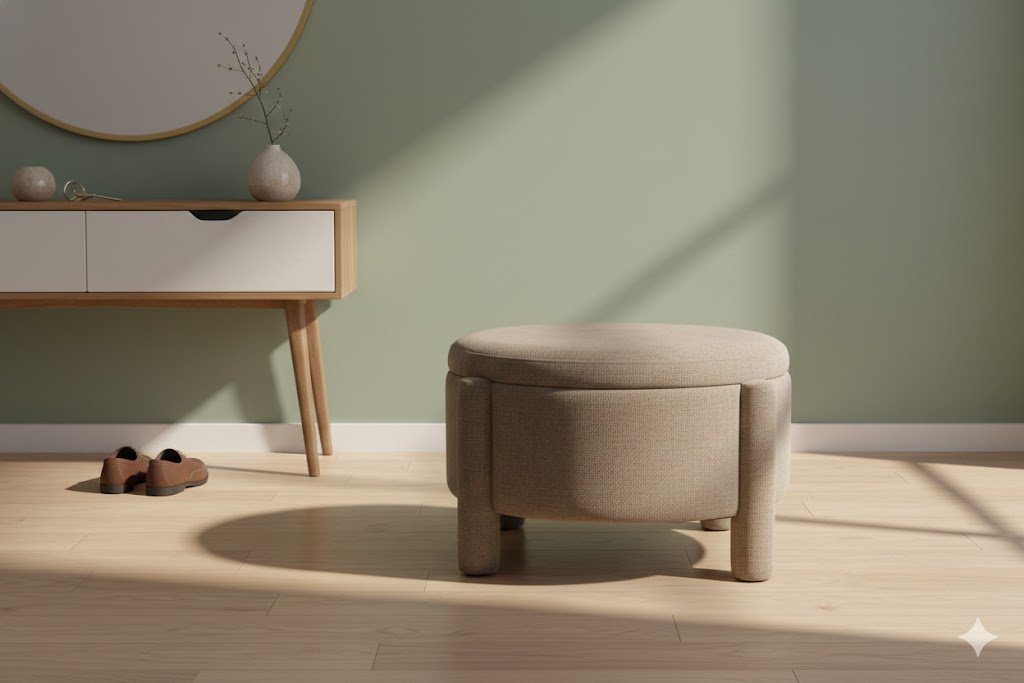
Engineered with reinforced framing and customizable dimensions tailored for high-volume OEM production lines.
View Product Details →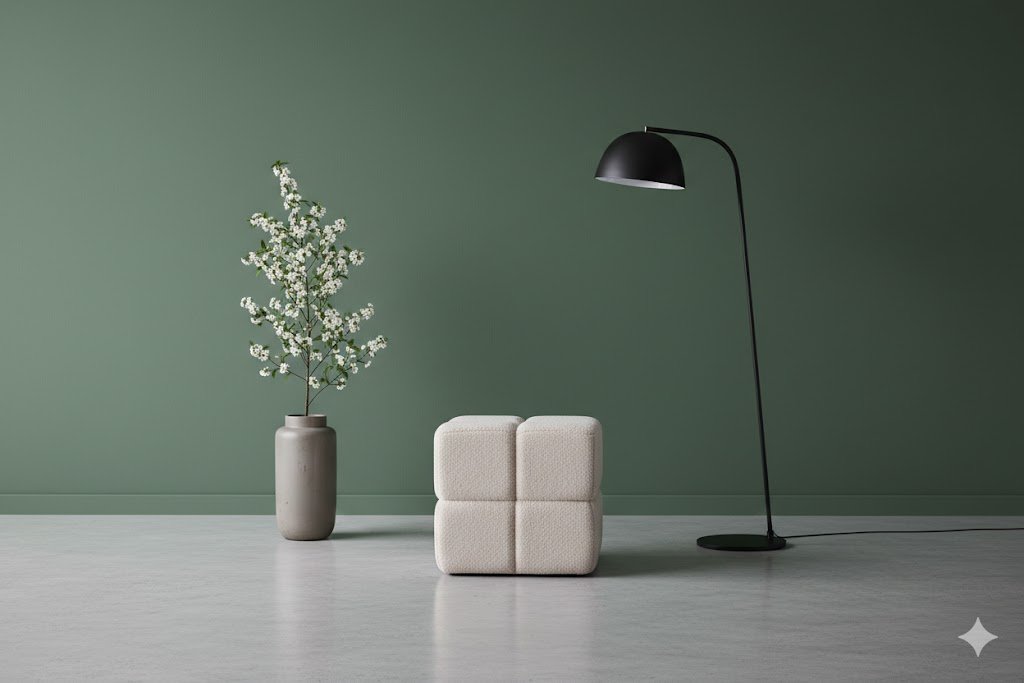
Customizable premium velvet bench with solid structural support, tailored for contract furniture and OEM commercial projects.
View Product Details →For expanding retail brands and e-commerce entrepreneurs looking to launch furniture collections without investing heavily in R&D or prototyping from scratch, partnering with a private label supplier is an efficient commercial strategy.
In a private label framework, the factory utilizes internal R&D teams to design, engineer, and field-test high-quality furniture pieces. As the buyer, you select pre-engineered designs and customize them with your corporate branding, logo plates, fabric tags, and custom retail packaging. For instance, as a specialized KD ottoman manufacturer & wholesale expert, we seamlessly apply custom branding to engineered flat-packed items, streamlining ocean freight shipping costs and warehouse footprints.
Private labeling is ideal for businesses that want to focus core competencies on marketing, digital customer acquisition, and distribution rather than manufacturing physics, wood moisture control, and structural load testing.
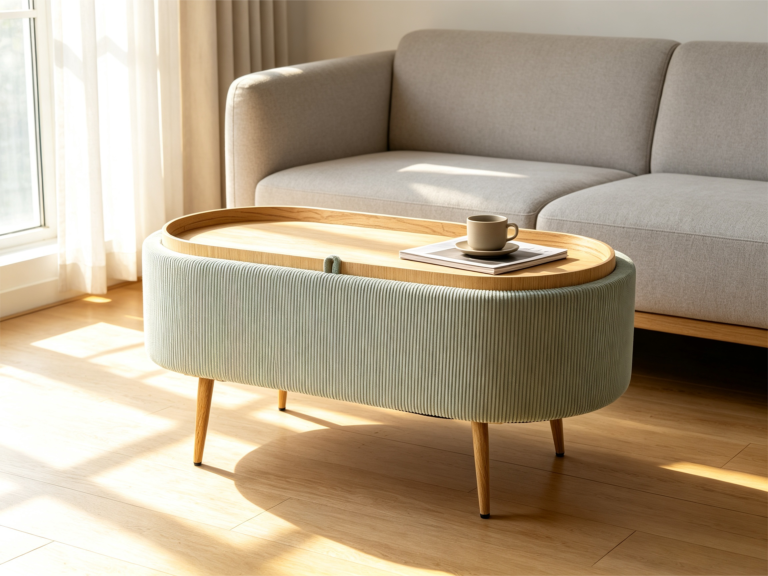
Pre-tested functional lift-top engineering ready for instant brand customization and rapid retail deployment.
View Product Details →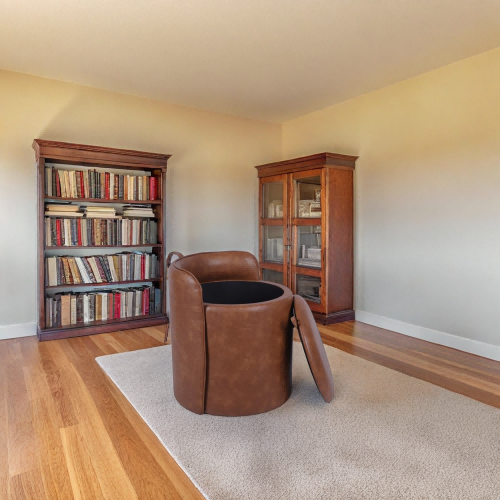
Multi-functional vegan leather storage seating featuring integrated back support, fully customizable with logo tags.
View Product Details →While often confused with private labeling, white label manufacturing focuses primarily on cost minimization, manufacturing efficiency, and massive economies of scale through standardized mass production sold uniformly to multiple retailers worldwide.
| Manufacturing Feature | Private Label Furniture | White Label Furniture |
|---|---|---|
| Design Exclusivity | Exclusive within regional markets. | Non-exclusive; available to all retailers. |
| Customization Level | Moderate (Custom fabrics, finishes, tags). | Low (Standardized mass production). |
| Minimum Order Quantity (MOQ) | Moderate to High. | Low per order (from ready stock). |
Multiple retailers can purchase identical physical items and market them under respective brand names. This offers a low-risk procurement solution for e-commerce stores, discount chains, and commercial contractors wanting durable staples at hyper-competitive price points. A practical example is sourcing from a dedicated folding storage ottoman manufacturer & wholesale pipeline to bypass product development costs completely.
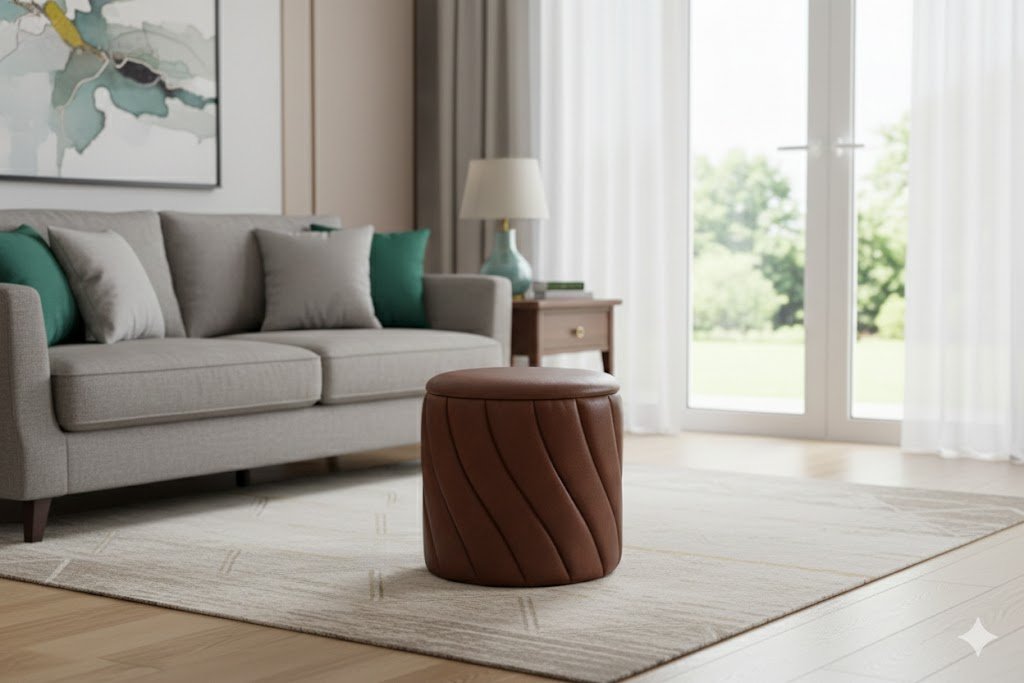
High-demand warm cognac vegan leather storage ottoman produced on high-efficiency assembly lines for volume buyers.
View Product Details →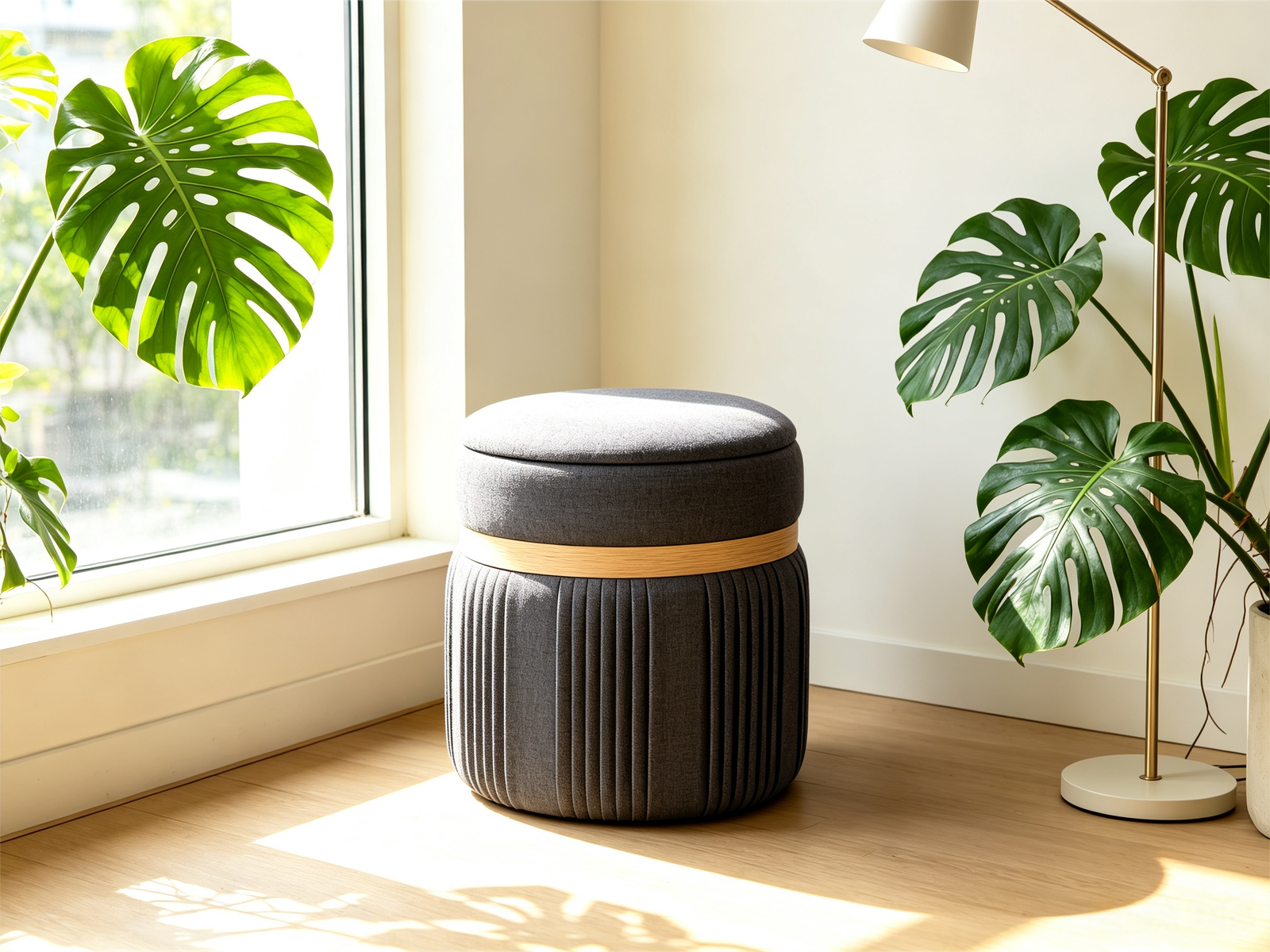
Popular standardized circular storage unit with a lift-top mechanism, optimized for low lead times and mass distribution.
View Product Details →When mass-produced items and catalog designs fail to meet spatial requirements or artistic visions, bespoke contract manufacturing is the definitive answer, offering luxury craftsmanship, material excellence, and flexible custom engineering.
Every bespoke furniture piece is crafted to fit ultra-specific spatial dimensions, floor plans, and elite aesthetic preferences. Utilized by interior design firms, luxury hotels, and commercial developers, bespoke production relies heavily on master hand-craftsmanship, as noted by standards from trade organizations like the American Home Furnishings Alliance (AHFA).
A competent factory can produce specialized items tailored to commercial blueprints—ranging from artisan wholesale tray stools & folding ottomans to elongated luxury seating configurations like an ottoman bench wholesale series. For residential projects requiring modular symmetry, suppliers can coordinate custom finishes across multi-piece layouts like a set of 2 ottomans to maintain fabric dye-lot consistency.
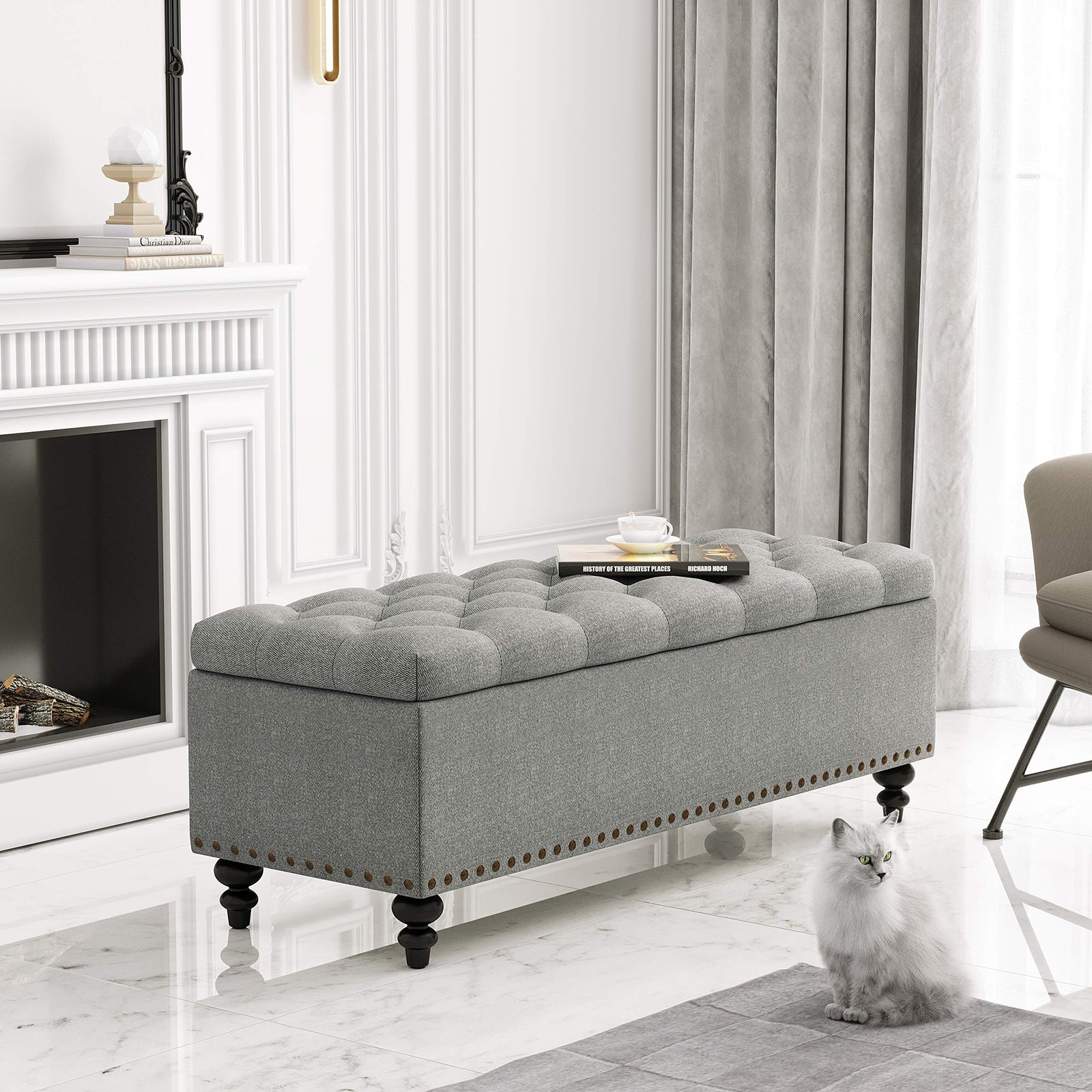
Exquisite hand-tufted craftsmanship combined with deep storage utility, tailored for hospitality lobbies and luxury master suites.
View Product Details →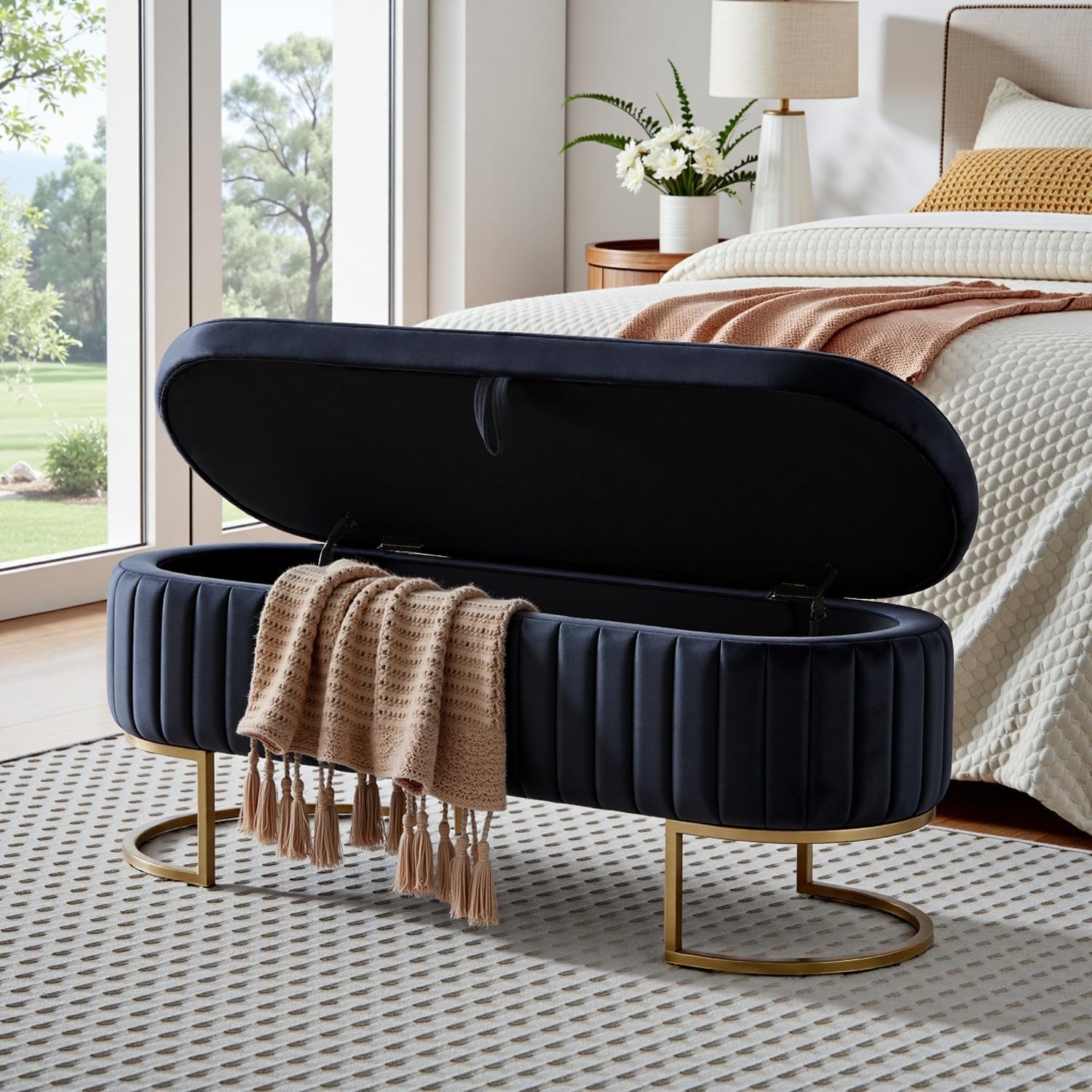
Statement accent bench featuring high-grade velvet upholstery and polished brass-tone metal bases for boutique interiors.
View Product Details →Understanding production mechanisms is critical to long-term procurement success. Working with global manufacturing partners requires strict adherence to international safety, environmental, and structural durability standards.
Pro Tip for Global Sourcing Managers: Always verify that your production facility holds valid international certifications, including ISO 9001 for quality management systems, FSC (Forest Stewardship Council) for sustainable wood sourcing, and BSCI compliance for ethical labor standards.
Structural defects like cracking, warping, or joint separation stem from improper kiln-drying. Professional factories use automated drying chambers to stabilize timber moisture content precisely between 8% and 12% before production, ensuring product stability across diverse climates.
Commercial projects demand strict compliance with regional flame retardancy standards, such as CAL 117 in North America or BS 5852 in the UK. High-density foam must be paired with rub-tested fabrics (measured via Martindale or Wyzenbeek methods) to maintain shape under heavy use.
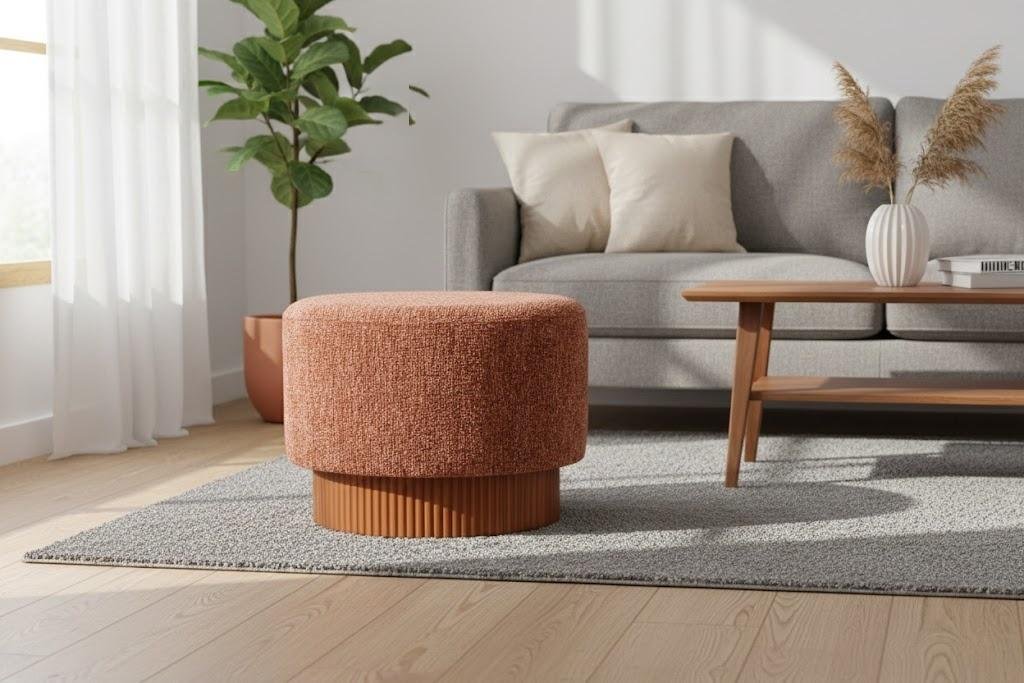
Eco-friendly circular ottoman crafted with FSC-certified natural cork strips and terracotta bouclé upholstery for sustainable projects.
View Product Details →MOQs depend on the production model. OEM and custom bespoke projects usually require higher MOQs (e.g., 50-100 units per item) to justify custom tooling, while white-label or ready-stock items can often be ordered in lower quantities.
Request third-party audit reports (such as ISO 9001, BSCI, or FSC), order sample prototypes to inspect joinery and moisture content, and review factory video tours or container loading reports.
Standard production lead times range from 30 to 45 days after design approval and deposit confirmation, with sample creation typically taking 7 to 14 days.
Choosing between OEM, private label, white label, or bespoke models depends on your business lifecycle, capital budget, design capabilities, and target market:
At Fuzhou Victor Furniture, we combine global industrial manufacturing capabilities with agile OEM and private label services. Visit our about us page or contact us today for a technical consultation.