China Furniture Supplier Guide: Sourcing Premium Ottomans & Home Furniture with FZ Victor
Discover how global procurement teams scale high-margin inventory with verified manufacturing expertise, flexible OEM/ODM capabilities, and BSCI/FSC compliance.
Partnering with premier ottoman manufacturers and reliable home furniture suppliers is a critical strategic step for global businesses looking to scale their inventory with high-quality, high-margin products. Whether you are an international retailer, an online e-commerce brand, an interior designer, or a commercial procurement manager, sourcing directly from verified ottoman manufacturers and established furniture manufacturing companies ensures you secure the ideal balance of artisanal craftsmanship, competitive factory pricing, and dependable supply chain resilience.
Established in 2016, Fuzhou Victor Furniture Co., Ltd. (FZ Victor) operates over 10,000㎡ of modern production space across China & Vietnam with a monthly capacity exceeding 50,000 units. Operating under full BSCI and FSC standards, we specialize in wholesale storage ottomans, upholstered benches, and multifunctional entryway seating. To learn more about our engineering documentation and corporate compliance, feel free to explore our About Us page or visit our main Homepage for a full catalog overview.
The Strategic Value of Specialized Ottoman Manufacturers and Furniture Factories
In the highly competitive global furniture market, commercial success relies heavily on partnering with specialized ottoman manufacturers to build an efficient supply chain. Many brands make the critical mistake of partnering with generalist trading suppliers rather than dedicated factories that understand precise upholstery techniques. In contrast, collaborating with professional ottoman manufacturers like FZ Victor allows you to leverage focused technical expertise, dedicated automated production lines, and massive economies of scale. This specialization directly translates into lower defect rates, faster manufacturing turnaround times, and innovative space-saving designs.
When evaluating potential long-term partners among global suppliers, it is essential to look far beyond the initial quote. Top-tier ottoman manufacturers maintain robust raw material supply chains, international environmental compliance, and advanced technological infrastructure. Our specialized facilities invest heavily in automated woodworking, automatic fabric cutters, and state-of-the-art upholstery systems—guaranteeing absolute structural consistency across volume container orders.
Key Insight: Working with experienced ottoman manufacturers allows your business to maintain product diversity without sacrificing specialization. For a deep dive into choosing the right production methods, check out our comprehensive Custom Furniture Manufacturer Guide.
Top 10 B2B Product Spotlight: High-Margin Ottomans & Seating Solutions
To help global buyers and e-commerce sellers diversify their seasonal catalogs, our product engineers have curated 10 top-performing, high-margin seating solutions optimized for container loading:
 B2B Direct
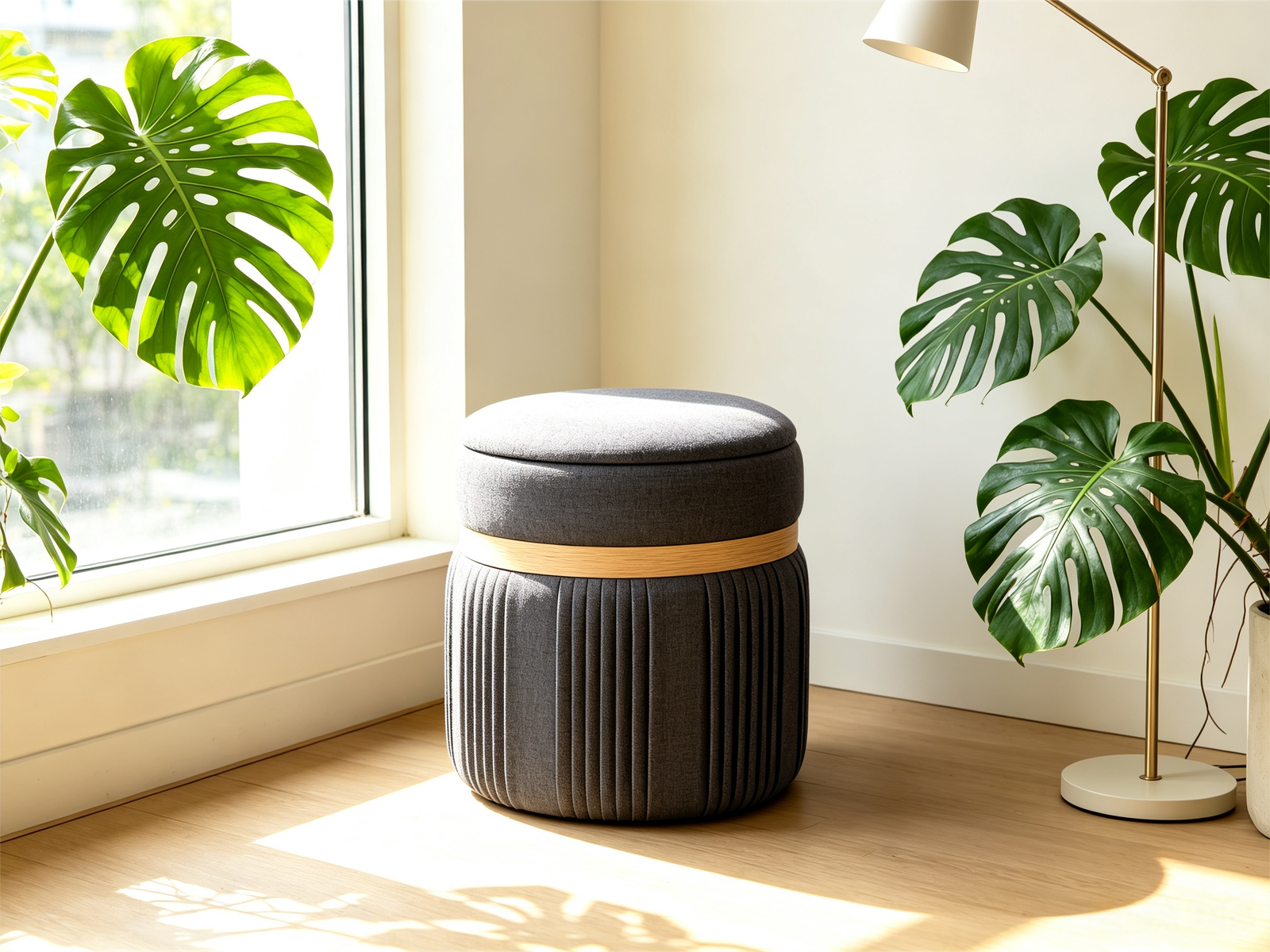
1. Lift-Top Black Circle Storage Ottoman
A multi-functional masterpiece featuring a smooth lift-top mechanism that converts from a comfortable footrest into a functional tray coffee table. Perfect for space-conscious modern living rooms.
View Product Specs →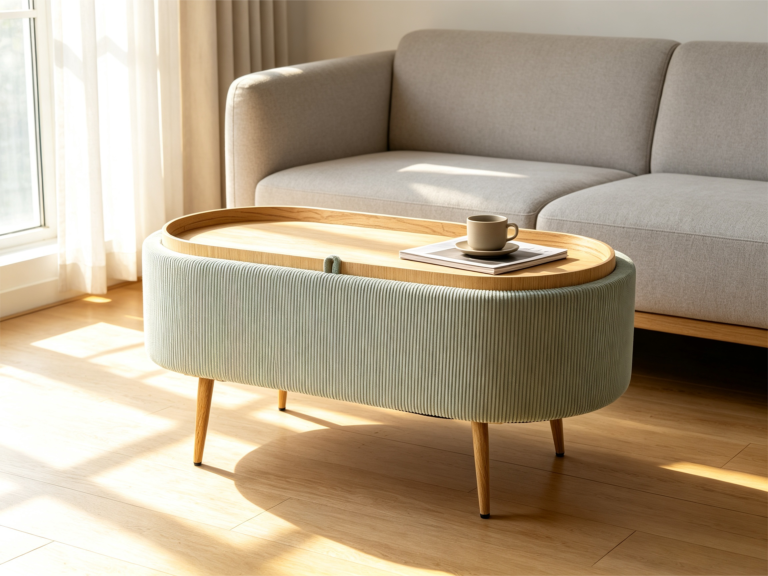 B2B Direct
2. Multifunctional Lift-Top Storage Stool
Engineered with high-density foam and dual-purpose internal storage, offering a sleek silhouette with unmatched versatility for online retailers.
View Product Specs →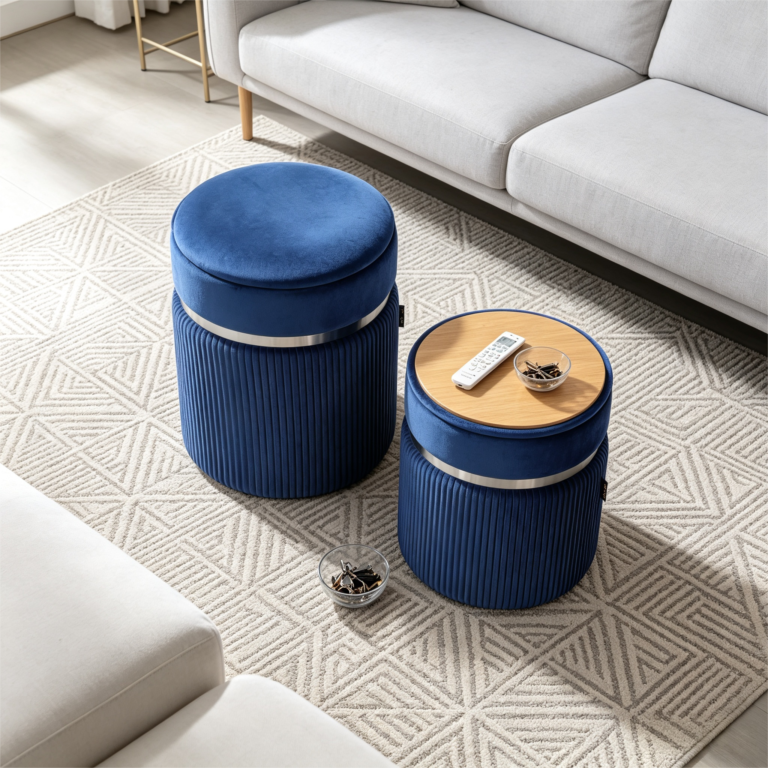 B2B Direct
3. Modern Blue Fabric Storage Ottoman
Upholstered in stain-resistant, premium woven fabric with rich accent tones, making it an eye-catching statement piece for contemporary home collections.
View Product Specs →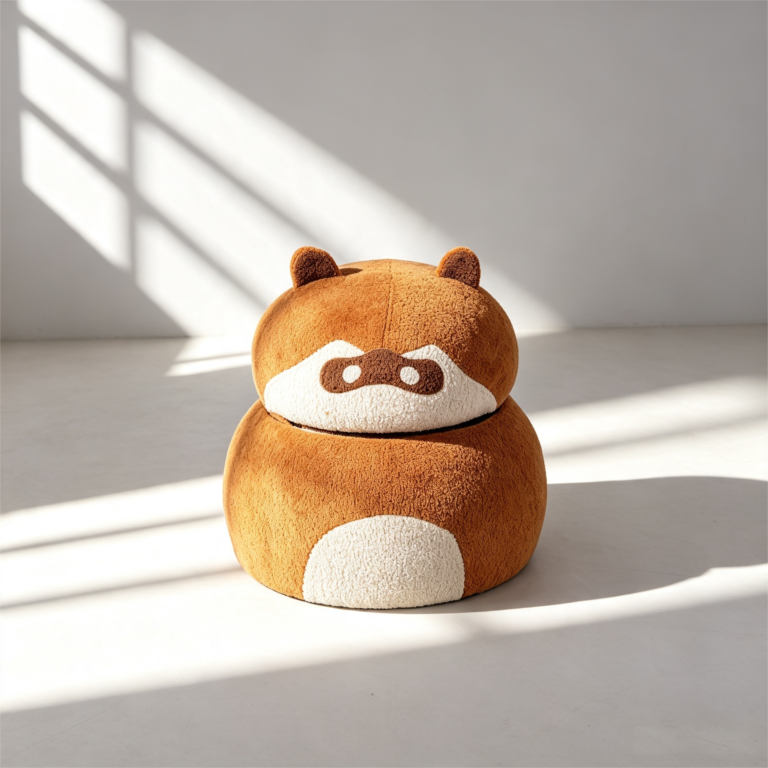 B2B Direct
4. Leopard Print Accent Storage Stool
Designed for boutique furniture retailers and design-forward e-commerce channels, featuring high-grade animal print upholstery over a robust frame.
View Product Specs →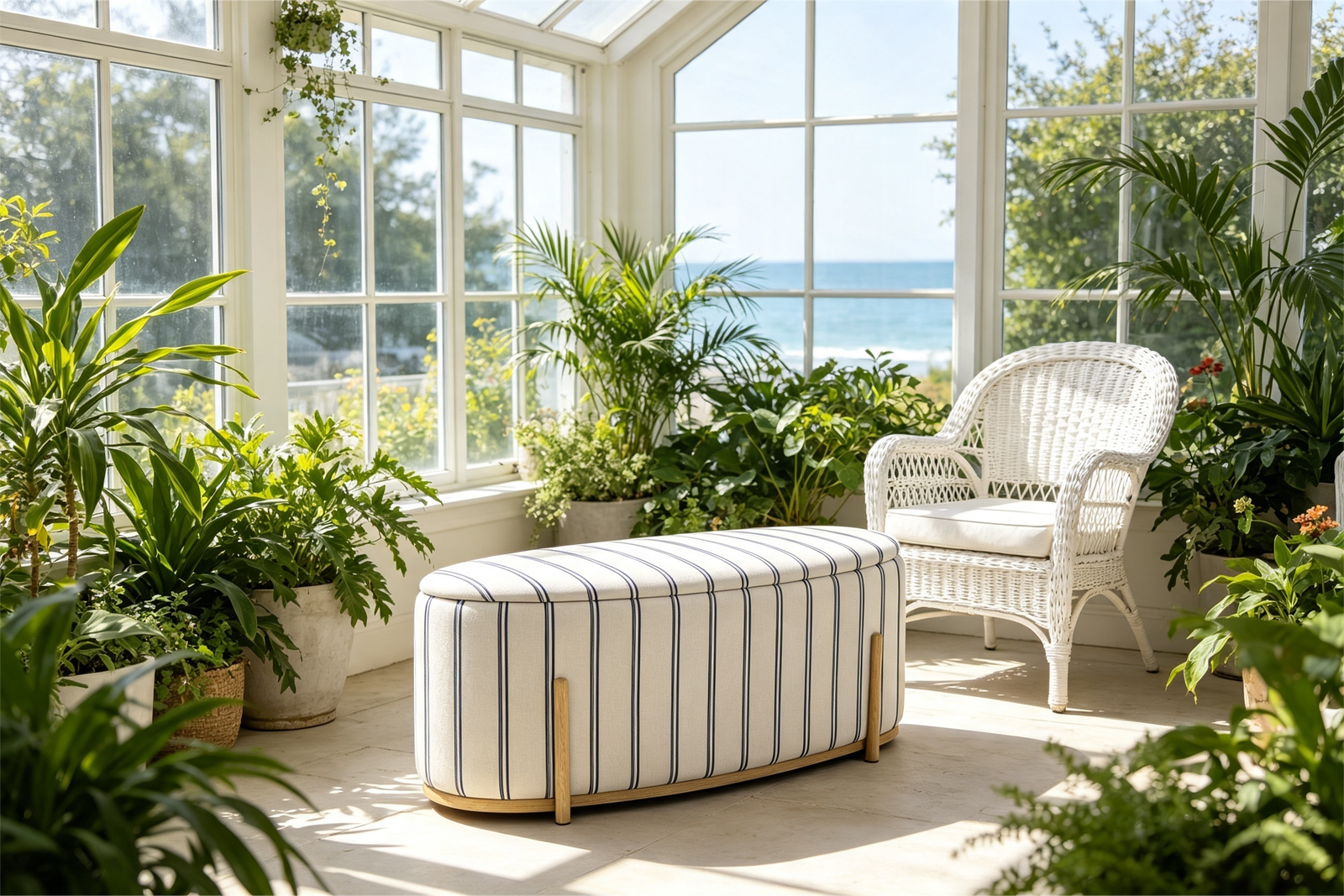 B2B Direct
5. Swivel Leather Lounge Chair with Matching Ottoman
A luxury commercial and residential recliner set combining ergonomically molded leather seating with a precision-crafted matching footrest.
View Product Specs → B2B Direct
6. Cognac Brown Leather Ottoman & Chair Set
Featuring antique PU leather with deep tufting and high-resilience foam padding, offering a warm Japandi/Modern Glam aesthetic.
View Product Specs →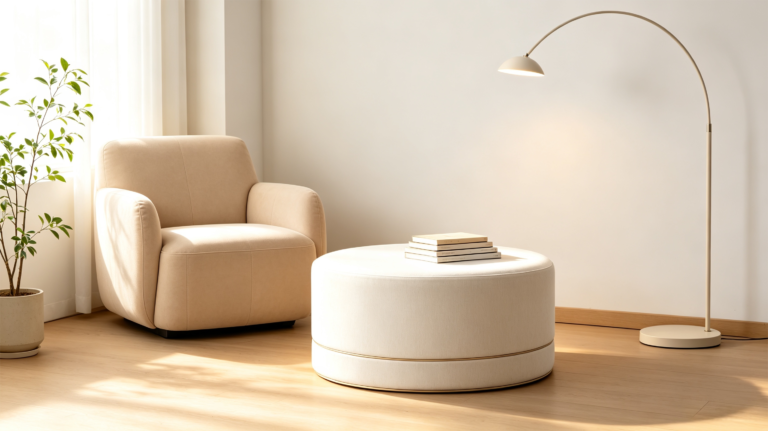 B2B Direct
7. Large Circular Leather Storage Coffee Table Ottoman
An oversized centerpiece ottoman designed to serve as a soft coffee table and bulk storage unit, optimized for high load capacity.
View Product Specs →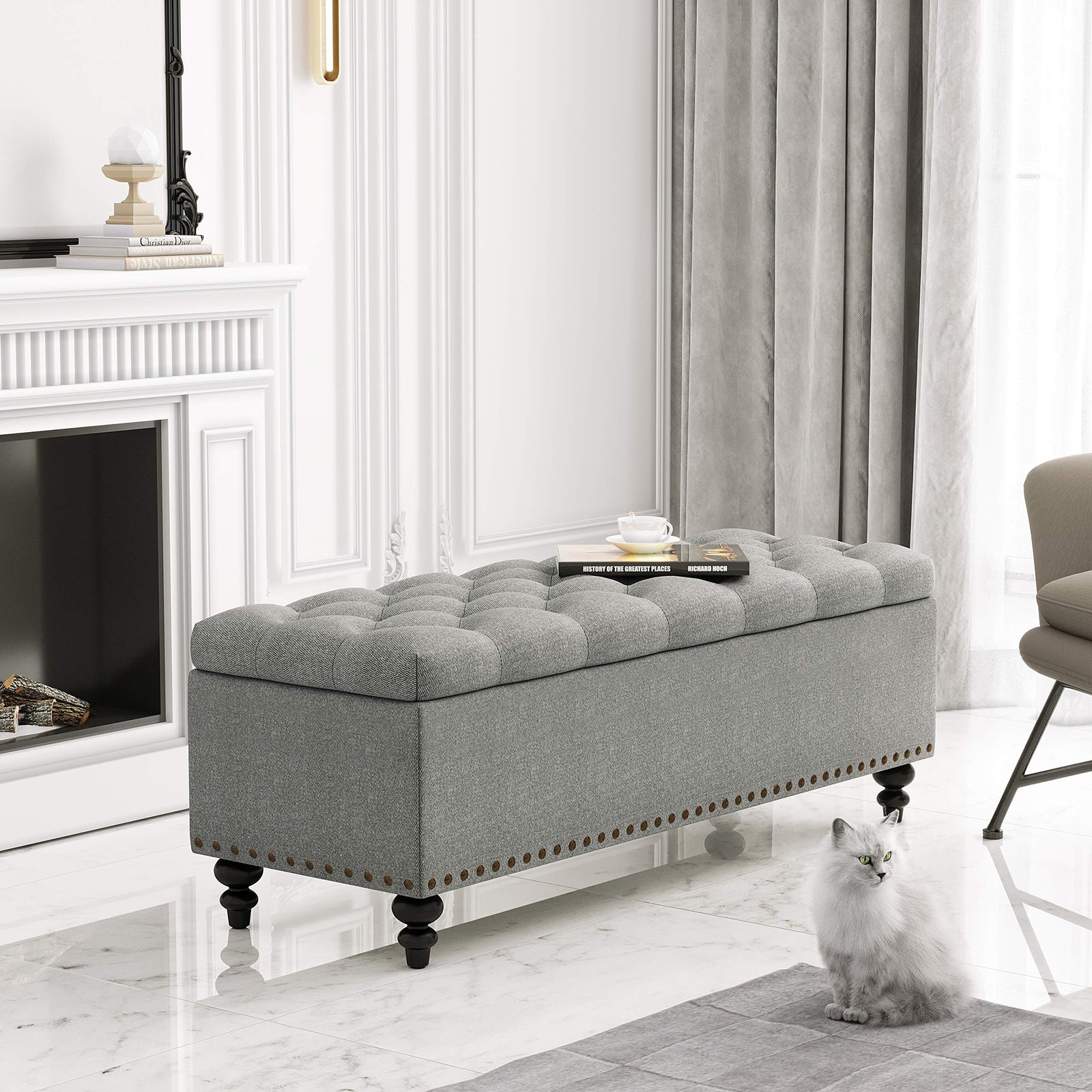 B2B Direct
8. Button-Tufted Upholstered Storage Bench
A classic bed-end and entryway long-form seating solution featuring hand-crafted button tufting and smooth-hinged internal storage space.
View Product Specs →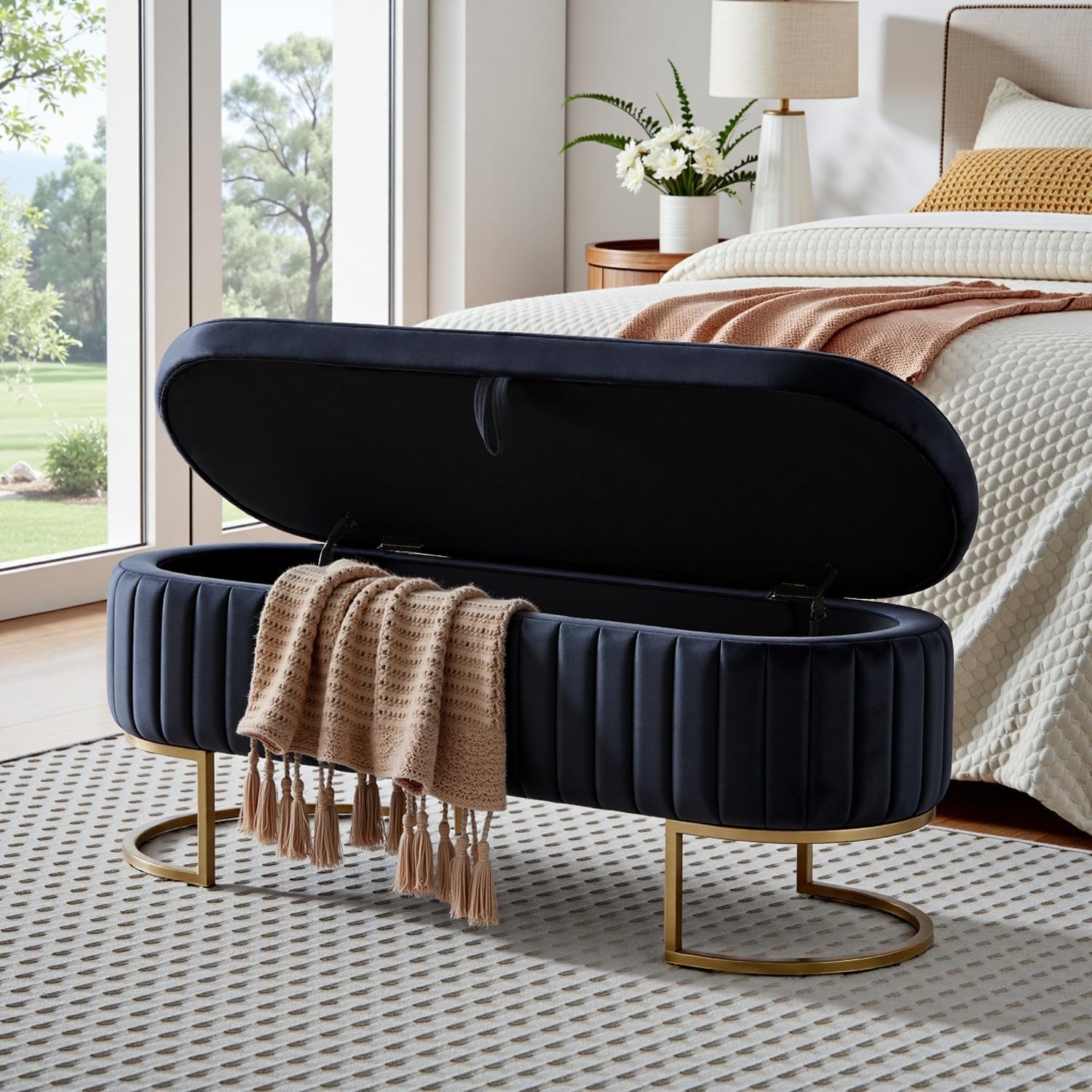 B2B Direct
9. Luxury Velvet Bench with Gold Metal Legs
A chic accent bench fitted with electroplated gold-finished steel legs and stain-resistant velvet fabric, built for hospitality and retail markets.
View Product Specs →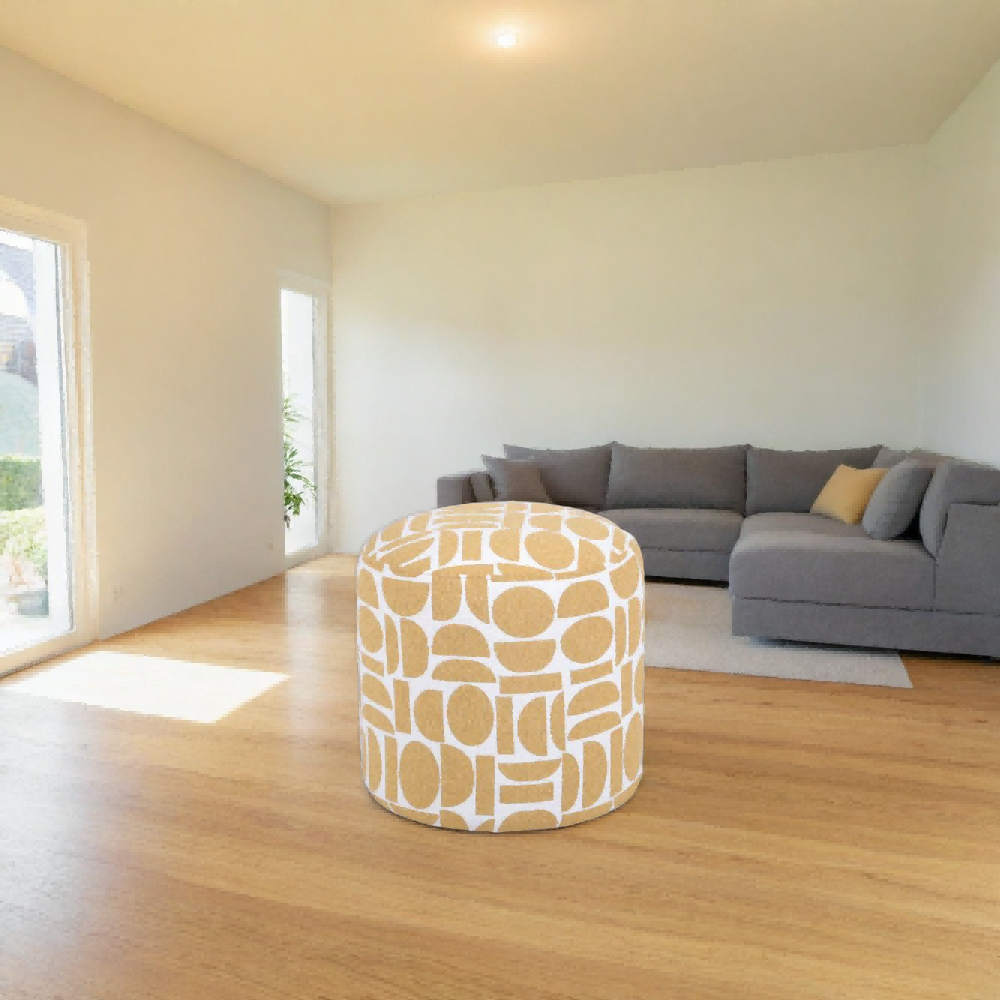 B2B Direct
10. Geometric Round Fabric Pouf Ottoman
A lightweight, high-density pouf stool upholstered in textured geometric fabric, engineered for versatile accent seating and flat-pack shipping.
View Product Specs →B2B Specifications & Capabilities of Ottoman Manufacturers
Below is an overview of standard production parameters and OEM/ODM customization capabilities provided by FZ Victor for global importers and wholesale partners:
| Specification Parameter | FZ Victor Standard & Custom B2B Options |
|---|---|
| Core Categories | Storage Ottomans, KD Flat-Pack Stools, Accent Benches, Recliner Sets |
| Upholstery Options | Stain-Resistant Velvet, Antique PU Leather, Bouclé, Linen, Sherpa (Custom Swatches) |
| Frame & Structure | FSC-Certified Solid Hardwood, Plywood, Heavy-Duty Metal Sub-frames |
| Weight Capacity | Static Load Tested up to 300 – 400 lbs (BIFMA Compliant Standards) |
| Packaging Standard | ISTA-3A / ISTA-6A Drop-Test Passed E-Commerce Flat Pack (KD) |
| Compliance & Audits | BSCI Certified Factory, FSC Chain-of-Custody Certified Facilities |
| OEM/ODM Services | Custom Dimensions, Logo Stamping, Fabric Swatches, Custom Barcode & Cartons |
Why You Need Dedicated Ottoman Manufacturers for Higher Retail Margins
Accent furniture and multi-functional storage seating carry some of the highest retail profit margins in the home decor industry. Partnering with specialized ottoman manufacturers like FZ Victor allows global buyers to boost e-commerce average order values (AOV) and optimize shipping container volume. From functional storage benches to space-saving footstools, premium seating requires precise stitching, flawless tufting, and robust internal framing.
According to trade statistics outlined by organizations like the American Home Furnishings Alliance (AHFA), multi-functional furniture is experiencing growing demand due to urban space optimization. Products from experienced ottoman manufacturers fit perfectly into this lifestyle trend, serving as extra seating, concealed storage, and style accents simultaneously.
Explore our full range of wholesale collections to expand your store catalog:
- Collapsible Utility: Explore our Folding Storage Ottoman Series for high-utility, space-saving designs.
- Flat-Packed Efficiency: Minimize ocean freight costs with our certified KD (Knock-Down) Ottoman Collection.
- Bundled Value: Increase order value with multi-piece configurations like our Set of 2 Ottomans.
- Premium Long Benches: Upgrade bed-end and entryway lineups via our Ottoman Bench Wholesale Portal.
- Full Product Wholesale: Browse all models at the Storage Ottoman Wholesale Directory.
5 Critical Steps for Evaluating Home Furniture Manufacturers
Choosing between competing ottoman manufacturers and home furniture suppliers requires a systematic evaluation process. Incorporate these 5 steps into your vendor auditing framework:
1. Verify Material Sourcing and Environmental Certifications
Ensure candidate ottoman manufacturers utilize responsibly sourced timber (FSC certified), compliant high-density foams, and tested textiles to prevent import hold-ups in North America and Europe.
2. Assess Production Capacity and Lead Times
Verify if the supplier's monthly output matches your peak demand. FZ Victor’s dual production bases in China and Vietnam provide scalable output with flexible lead times for container orders.
3. Evaluate OEM and ODM Capabilities
Choose ottoman manufacturers with internal engineering teams capable of modifying dimensions, swapping upholstery fabrics, and implementing custom buyer branding.
4. Inspect Quality Control (QC) Protocols
Confirm that the factory executes in-line inspections, static weight load tests (300-400 lbs), and fabric rub tests before packaging.
5. Review Logistics and Packaging Standards
Verify that products pass drop-testing protocols (ISTA-3A / ISTA-6A Amazon compliant mail-order packaging) to eliminate transit damage during maritime shipment.
Maintenance & Material Care Guide
To assist retailers with post-sale customer satisfaction, experienced ottoman manufacturers provide clear maintenance instructions for all upholstered items:
- Fabric & Velvet Seating: Vacuum surface textiles weekly using a soft brush attachment to prevent dust accumulation. Spot clean spills immediately with a damp microfiber cloth and mild detergent.
- Leather & Metal Frame Benches: Wipe leather surfaces and powder-coated metal legs with a clean, dry lint-free cloth. Avoid harsh chemical solvents to preserve protective finishes.
Conclusion: Partner with Trusted China Ottoman Manufacturers
Building a resilient furniture brand relies on the technical capability, production capacity, and integrity of your manufacturing partner. As trusted ottoman manufacturers and OEM/ODM furniture suppliers, Fuzhou Victor Furniture Co., Ltd. delivers complete engineering support, factory-direct pricing, and reliable global shipping assistance.
Ready to elevate your retail inventory or develop custom upholstered furniture lines? Explore our full collection at the FZ Victor Shop or contact our B2B sales specialists today!