Address
304 North Cardinal
St. Dorchester Center, MA 02124
Work Hours
Monday to Friday: 7AM - 7PM
Weekend: 10AM - 5PM
Address
304 North Cardinal
St. Dorchester Center, MA 02124
Work Hours
Monday to Friday: 7AM - 7PM
Weekend: 10AM - 5PM
As a leading upholstered furniture manufacturer in China, we specialize in delivering premium bespoke seating, designer velvet accent chairs, and luxury storage solutions for international wholesale markets.
With the global interior design market rapidly shifting toward “tactile luxury” and functional spatial planning, sourcing premium lifestyle pieces that seamlessly balance high-end hospitality aesthetics with commercial-grade durability is no longer optional—it is a baseline business necessity. To thrive in a competitive retail landscape, global brands require an agile supply chain. In this comprehensive B2B sourcing guide, we will explore why China remains the absolute global powerhouse for the furniture industry and how you can select a strategic manufacturing partner that drives your brand’s long-term commercial growth.
The global furniture supply chain has matured significantly over the past decade. When you audit mainstream furniture websites, you will immediately notice that the most successful international retailers are aggressively moving away from generic, mass-produced items. Instead, they are forming direct alliances with premium factories that offer deep material innovation, rigorous quality control protocols, and highly scalable production capacities.

According to recent macro industry analysis by Furniture Today, retail groups who prioritize direct-to-manufacturer partnerships are realizing an average 20% increase in gross margin efficiency compared to those relying on fragmented trading companies and middlemen supply chains. This is precisely where an experienced, export-focused upholstered furniture manufacturer china provides a tangible competitive edge, effectively bridging the structural gap between raw industrial production and high-velocity retail success.
To stay highly relevant to design-conscious consumers in 2026, your product catalog must closely reflect shifting architectural and home staging preferences. Modern homeowners and commercial project managers prioritize rich textures, ergonomic comfort, and multi-functional, space-saving utility. Consumer behavior has radically shifted toward “at-home luxury,” meaning your commercial inventory must offer more than just basic utility—it must offer a premium sensory experience.
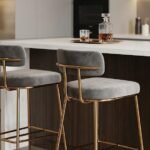
The contemporary velvet chair is no longer viewed just as a niche luxury item; it has officially become a mainstream living and dining room staple. Modern consumers demand high-performance, stain-resistant, and pet-friendly velvet fabrics that look incredibly elegant but effortlessly stand up to the rigors of daily life. Sourcing directly guarantees Martindale cycle ratings exceeding 40,000 rubs and compliance with strict localized flame-retardant standards (e.g., CA TB117-2013 and BS5852).
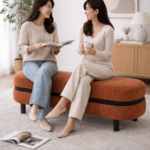
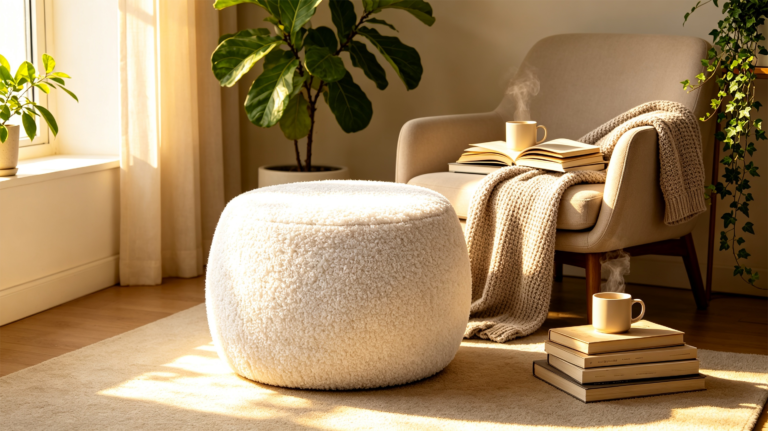
The textured bouclé ottoman has rapidly transformed from a high-end designer showroom piece into an absolute must-have residential accent accessory. Its unique looped surface provides essential “cozy minimalism.” Our historical sales data demonstrates a massive 35% year-over-year surge in global commercial demand for multi-functional textured storage ottomans over the last fiscal year alone.
As a specialized KD ottoman manufacturer wholesale provider, our internal engineering focuses on flat-pack spatial efficiency—cutting landed ocean shipping costs by up to 40%. Explore our high-demand product lines below:
Modern round leather storage ottoman designed for central living spaces.
View Details →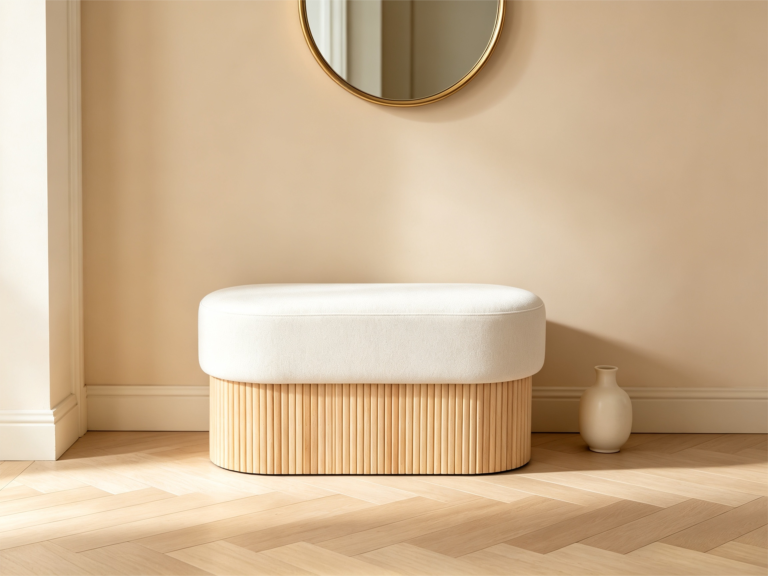
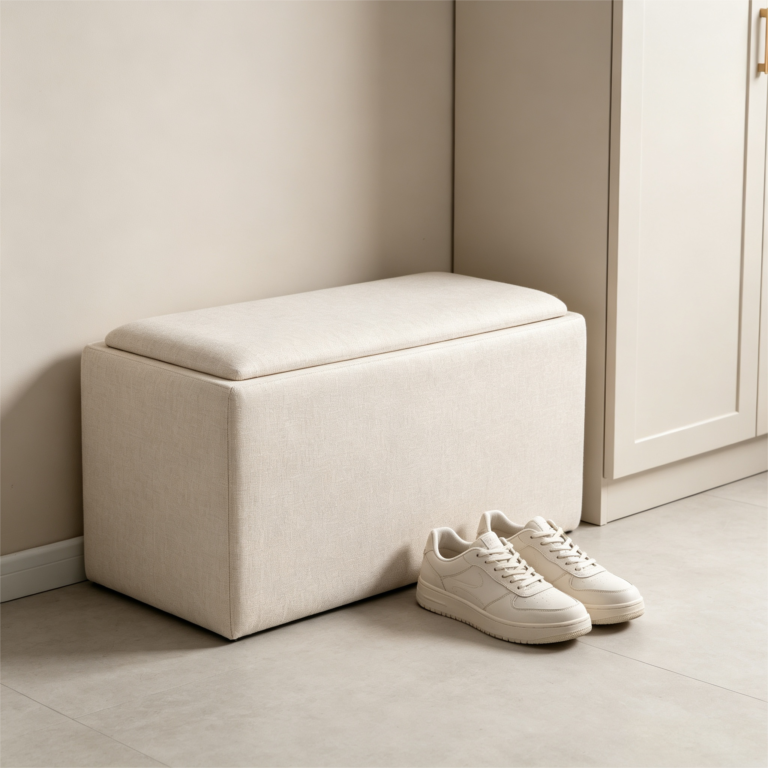
Spacious wooden storage bench with integrated wooden tray top.
View Details →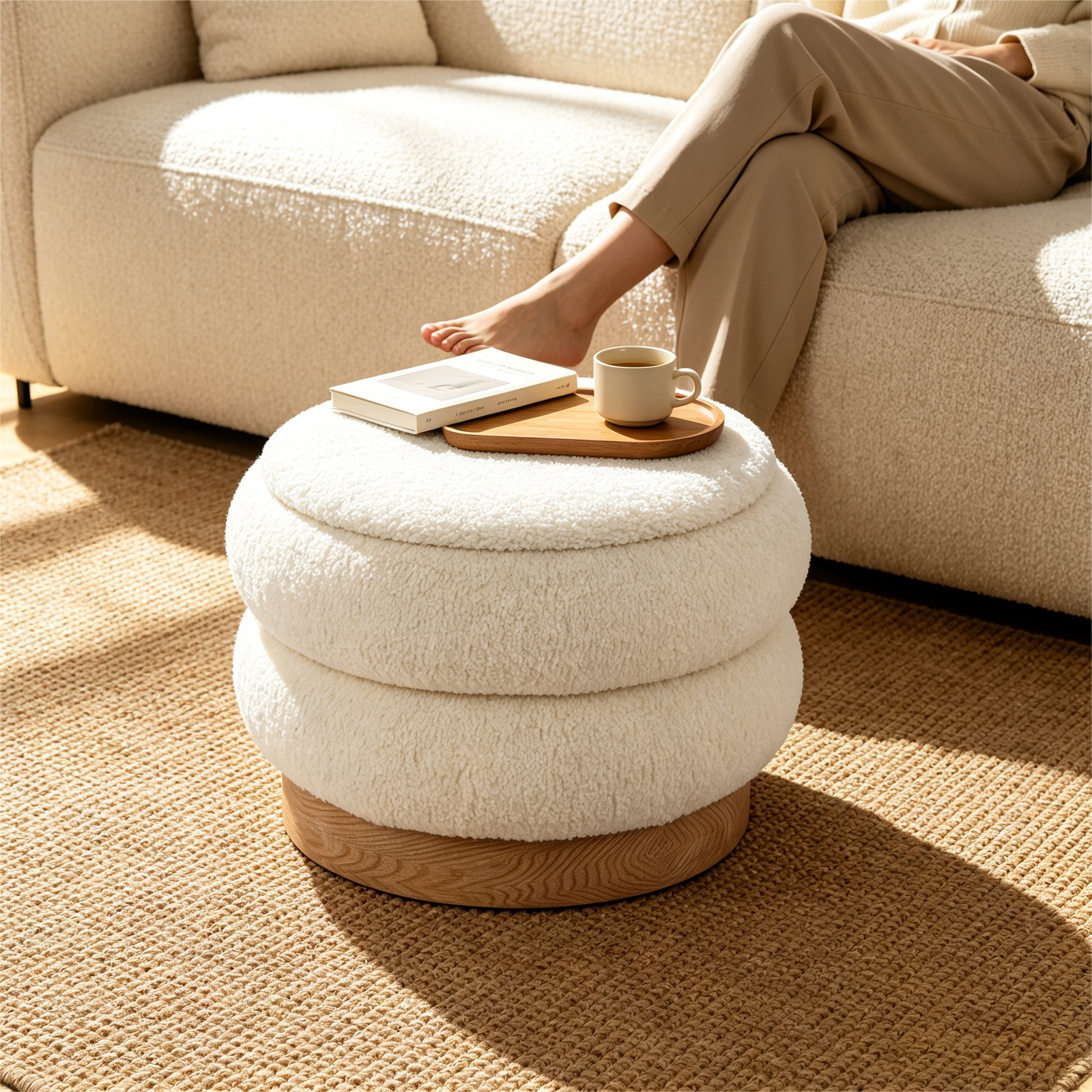
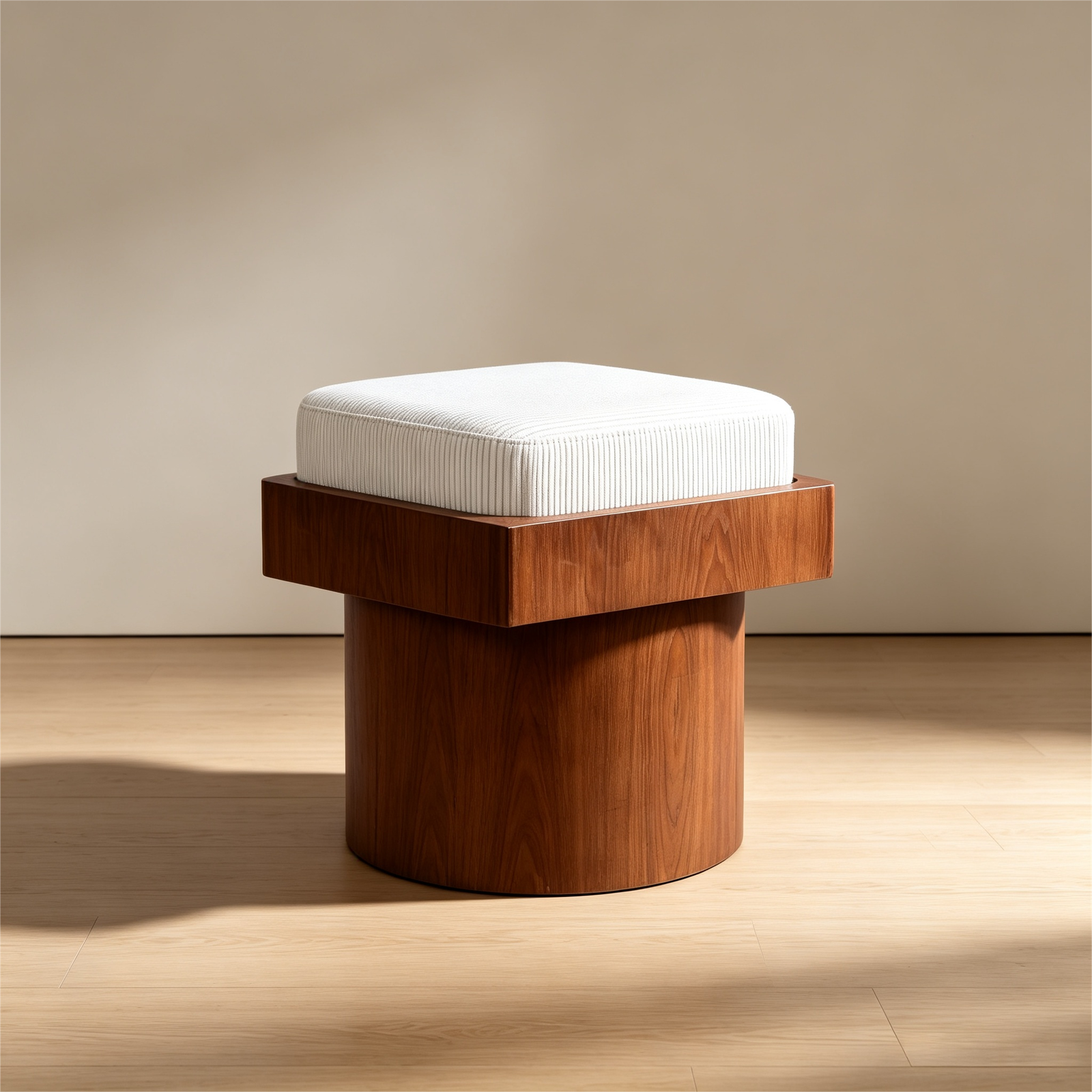
High-resilience foam cushioned top with solid wood accent frame.
View Details →True structural quality is determined long before fabric is stitched onto the frame. Utilizing kiln-dried solid timbers, birch plywood panels, and high-resilience polyurethane foam layers (35kg/m³ to 45kg/m³), our production avoids cheap recycled foam cores that degrade within 12 months.
Our practical range features innovative folding storage ottomans and versatile end-of-bed storage benches that optimize urban living space without compromising architectural design aesthetics.
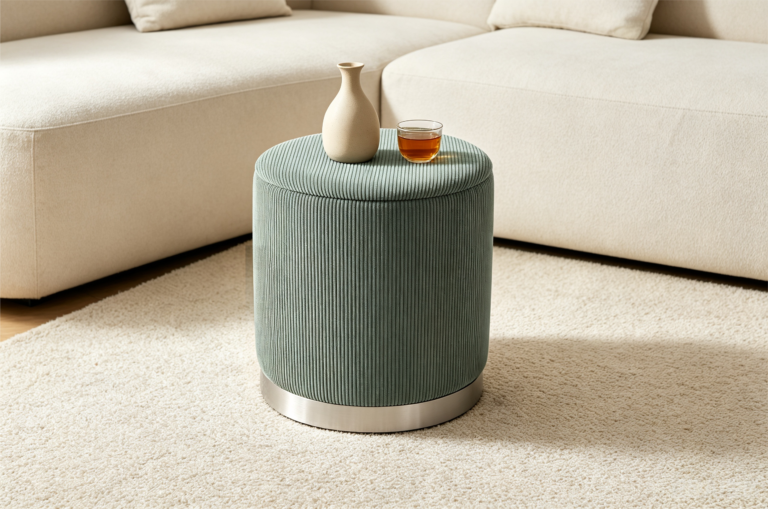
Sleek round leather upholstery built for residential durability.
View Details →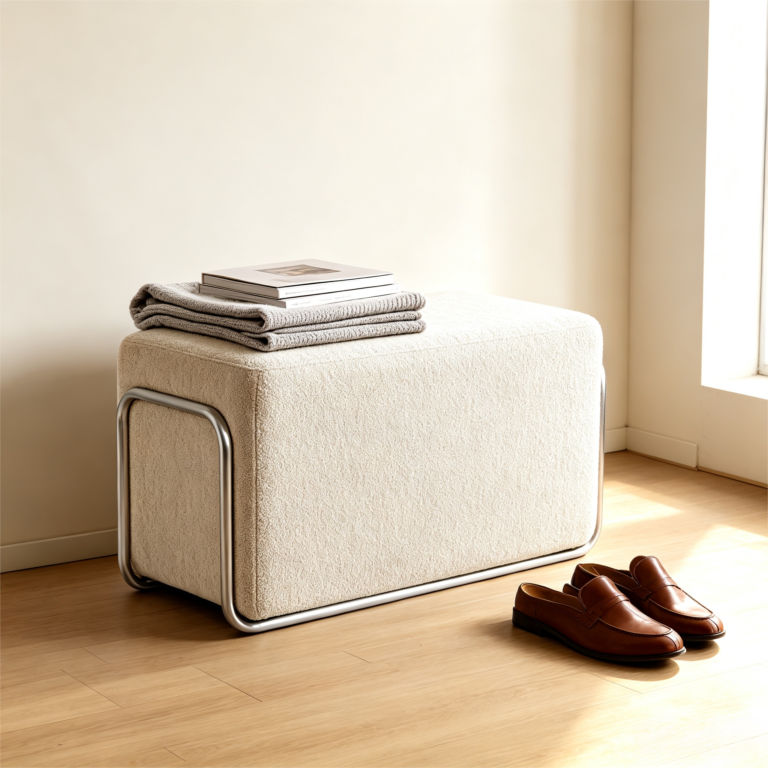
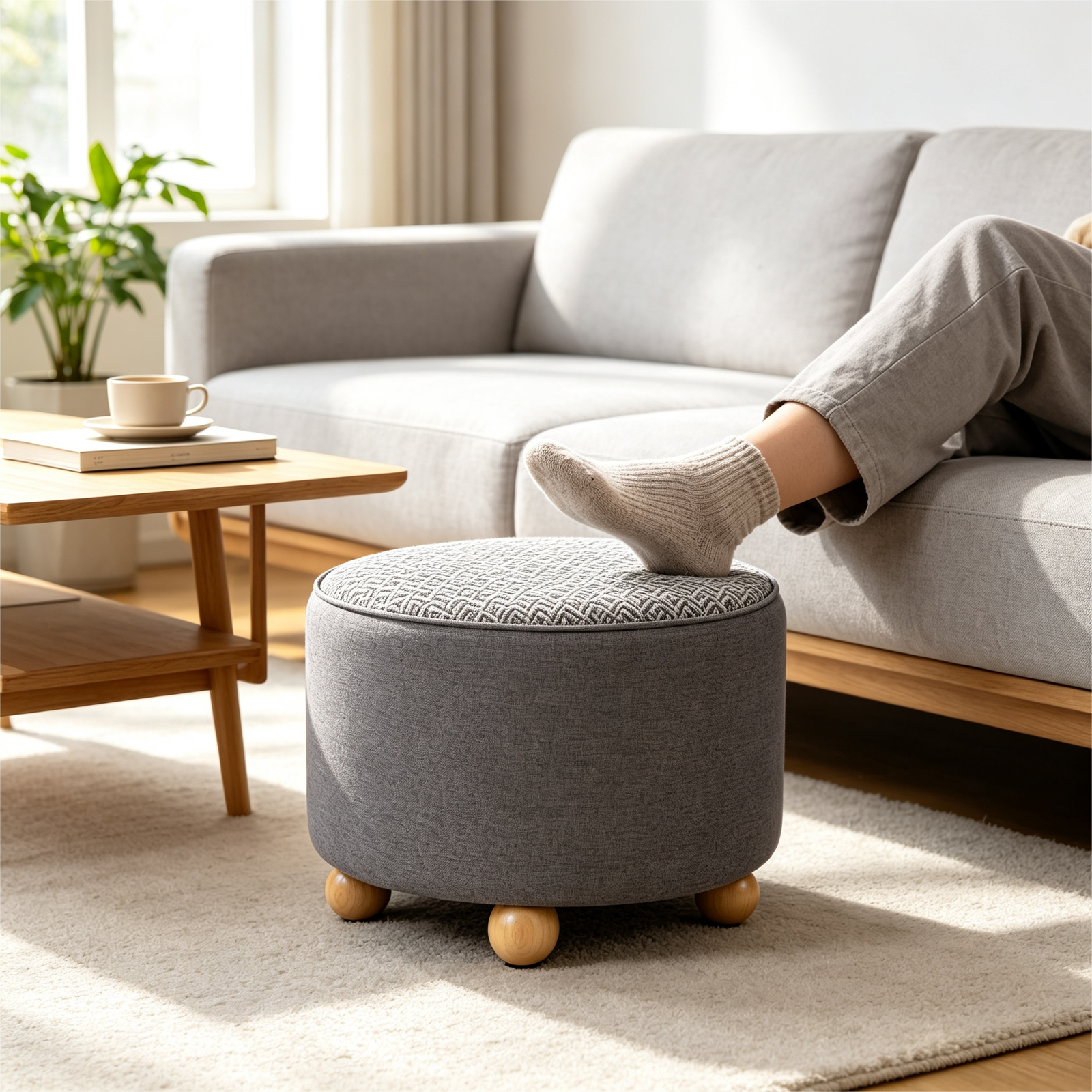
Tactile patterned leather finish providing modern visual depth.
View Details →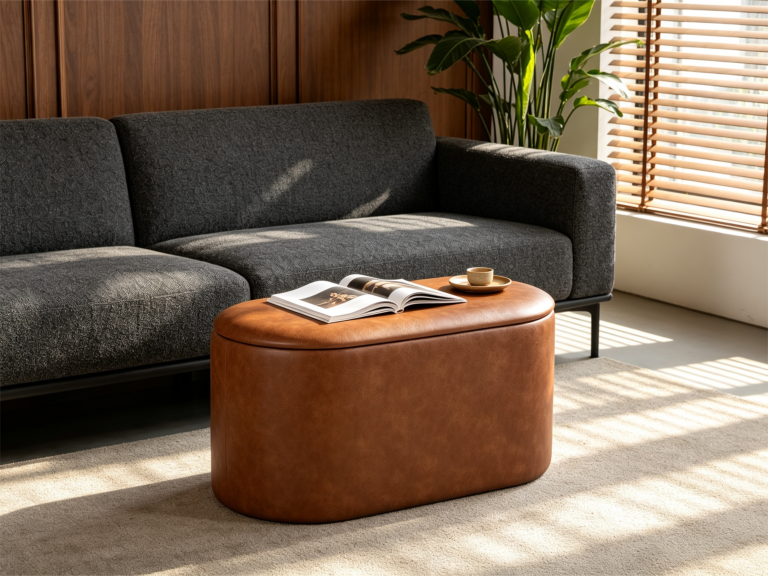

When auditing prospective OEM/ODM partners, deploy this professional corporate checklist:
Sustainability Standard: Automated CNC fabric laser cutting and CAD software lower raw textile waste by up to 15% per production run while ensuring exact dimensional consistency across batches.
Define your product specs, request physical prototypes for structural validation, and discuss containerized shipping schedules. Contact our export team to launch a consultation.
Direct sourcing eliminates middleman commissions, accelerates product development lead times, guarantees scale economies, and provides direct control over finishing quality.
Yes. Our factory brings custom technical packs, 3D renderings, and architectural blueprints to life using extensive fabric libraries and veteran sample-makers.