Address
304 North Cardinal
St. Dorchester Center, MA 02124
Work Hours
Monday to Friday: 7AM - 7PM
Weekend: 10AM - 5PM
Address
304 North Cardinal
St. Dorchester Center, MA 02124
Work Hours
Monday to Friday: 7AM - 7PM
Weekend: 10AM - 5PM
As global urbanization accelerates, international buyers are looking for top furniture manufacturers in China to help them navigate the rapidly shifting demands of modern consumers. Today, urban living areas continue to compress across metropolitan hubs worldwide, making the modern studio apartment the primary laboratory for residential furniture innovation.
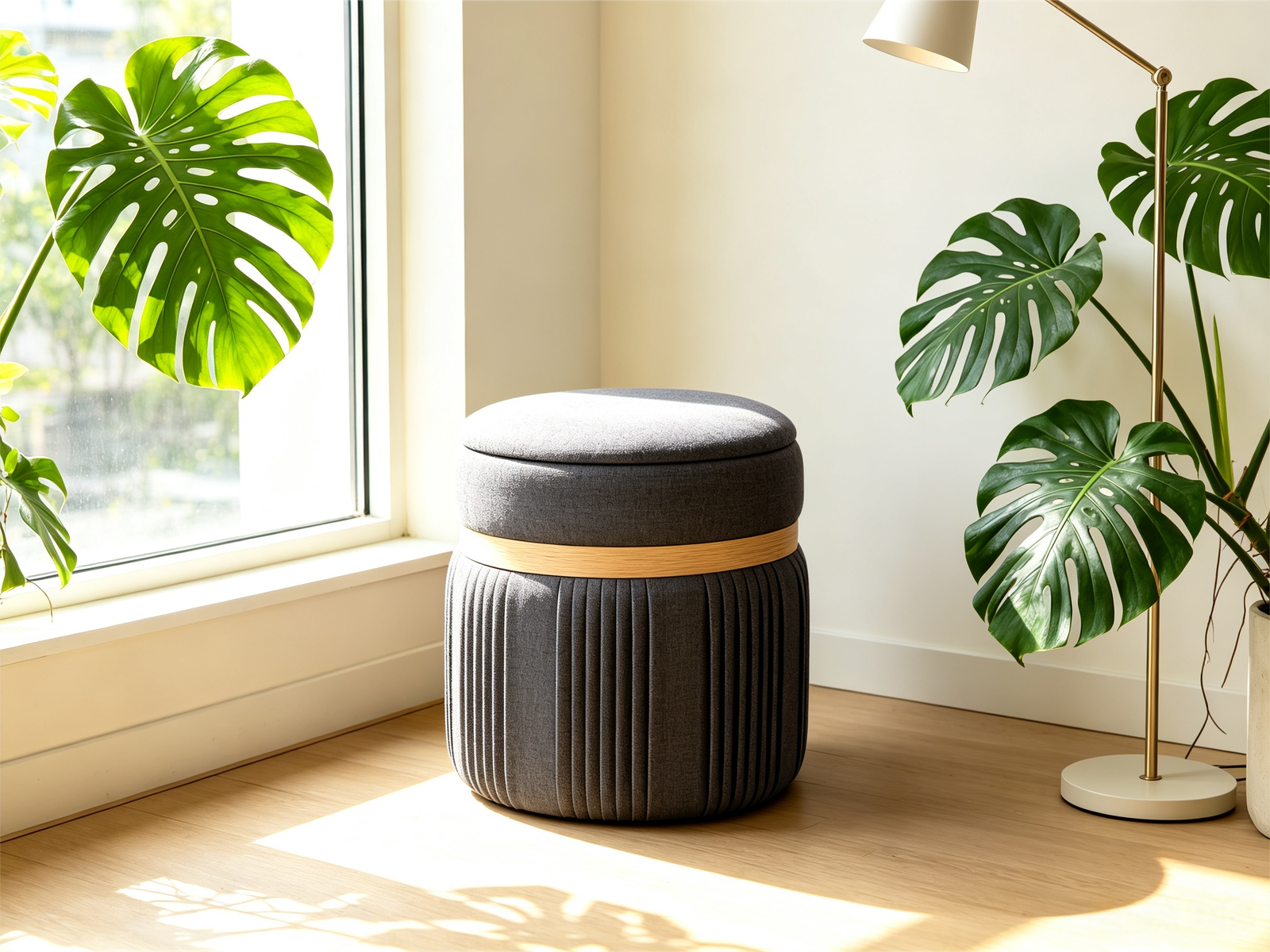
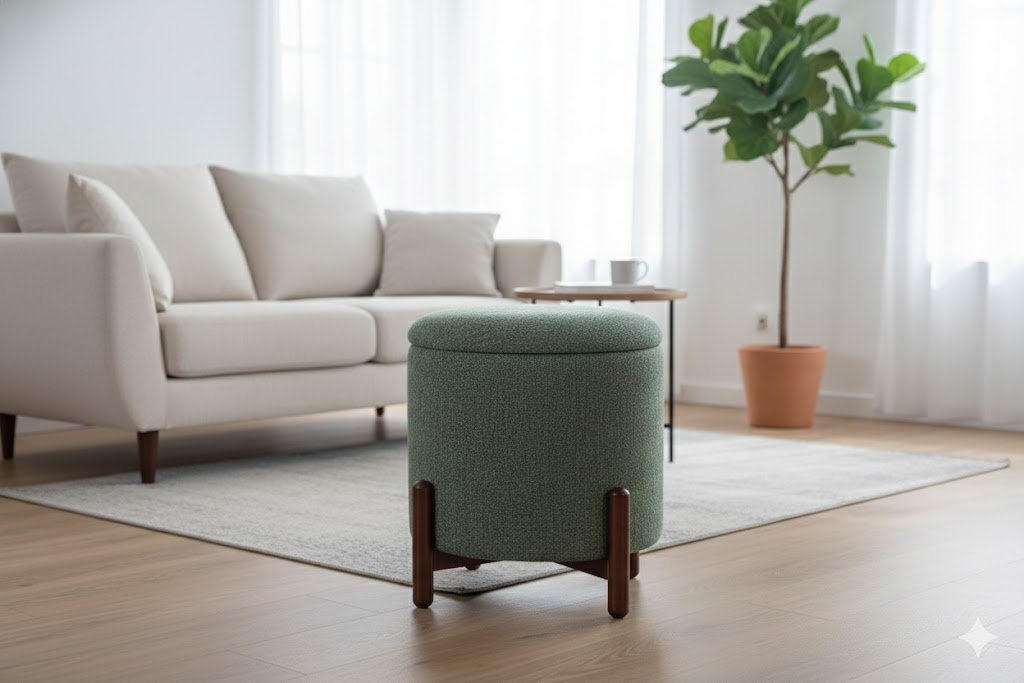
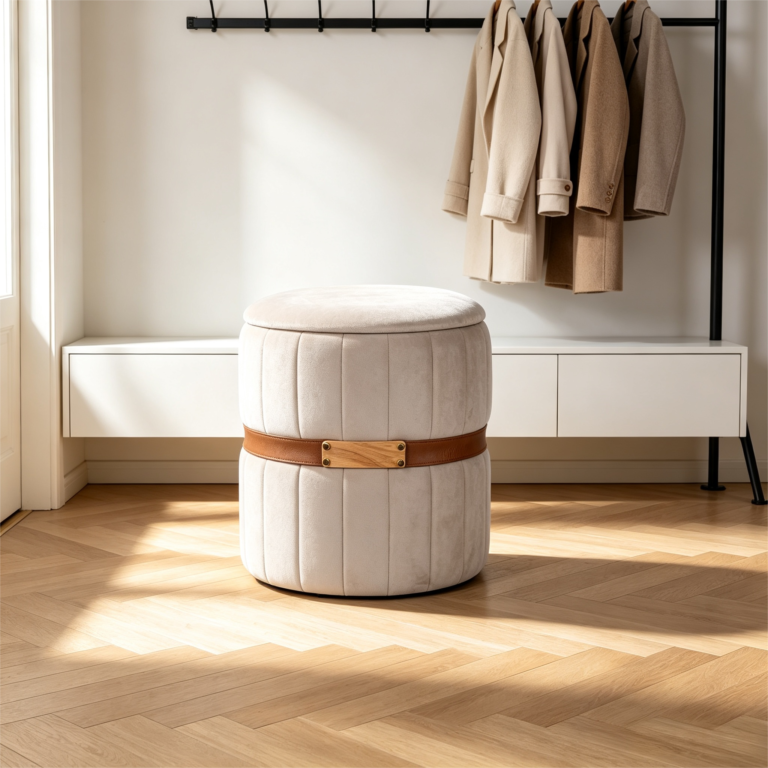
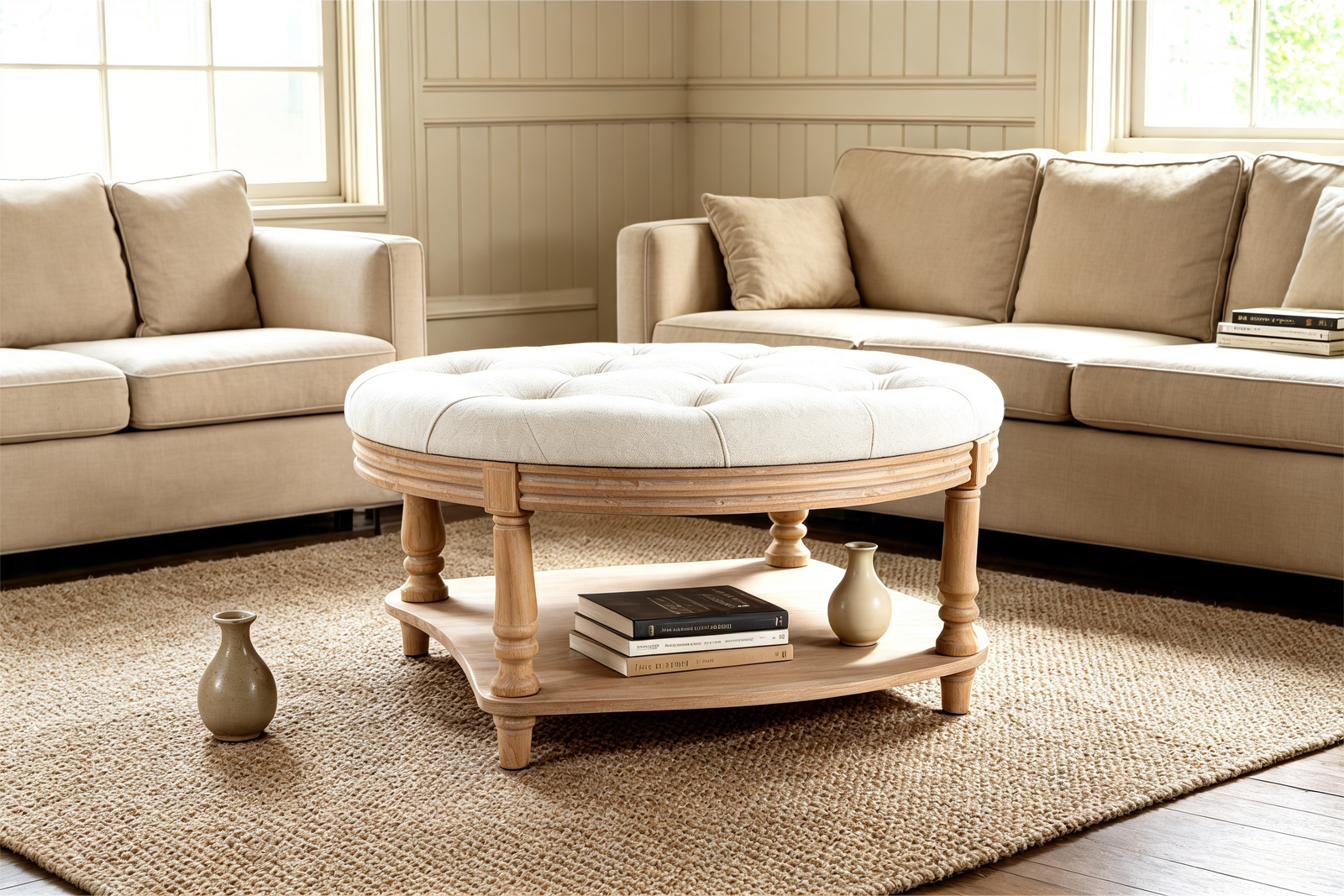
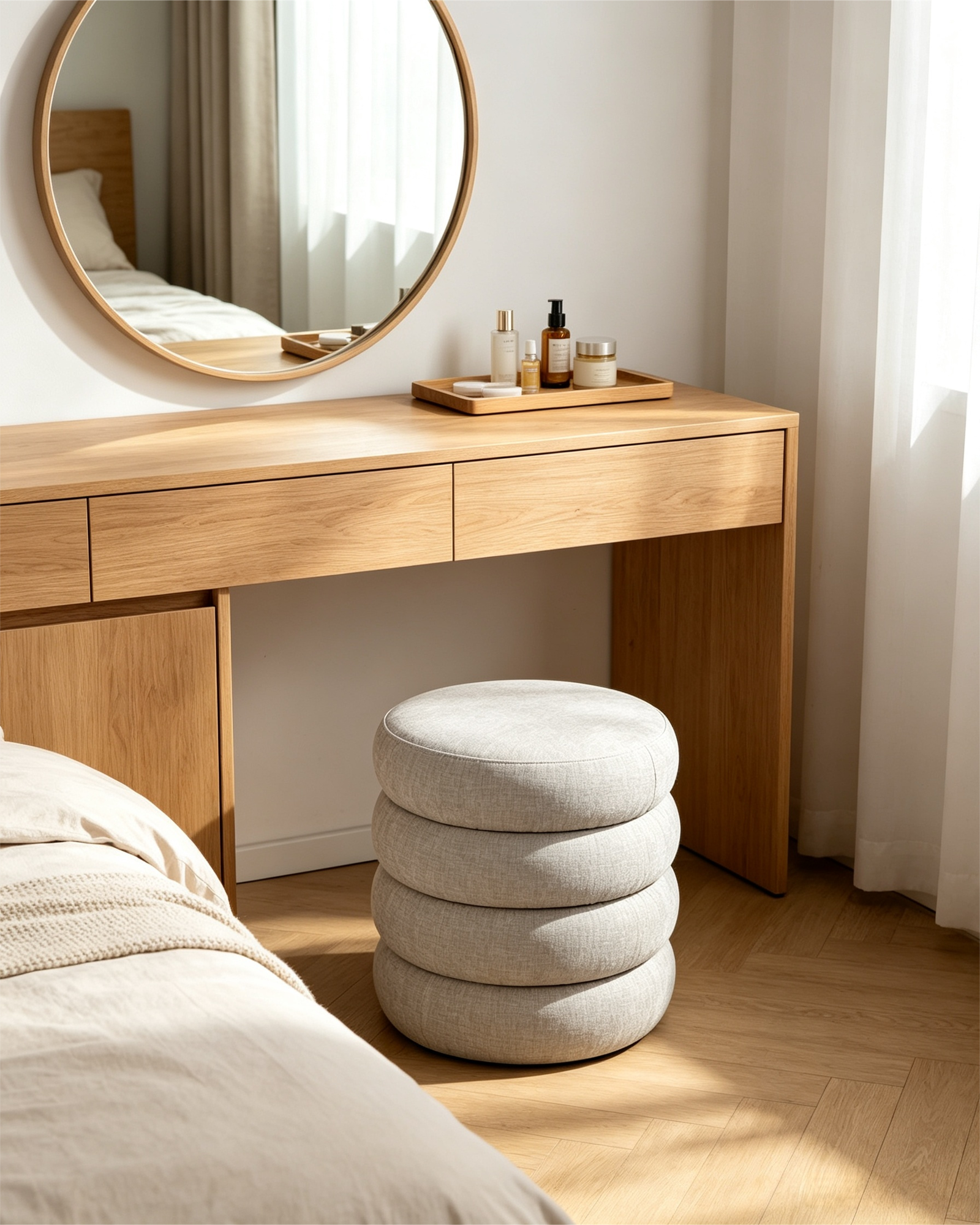
Procurement managers, retailers, and commercial importers are facing a distinct, permanent shift in buyer behavior: modern consumers no longer tolerate static, single-purpose furniture that wastes precious square footage. Instead, they are actively hunting for a high-quality modern footstool for apartments—a versatile accent piece that can seamlessly transition between an elegant spare seat, a functional coffee table, and a hidden storage unit.
For international volume buyers aiming to capitalize on this demographic shift, partnering with experienced Chinese furniture suppliers like FZ Victor is the most reliable strategy to secure high-margin, durable inventory. Embracing this trend requires more than just buying smaller items; it demands a strategic understanding of how functional engineering and premium aesthetics intersect in the commercial furniture market.
The macroeconomic trends driving the furniture industry in 2026 are clear. With real estate prices remaining high and the influx of young professionals into urban centers growing, the average square footage of new residential spaces has hit a historic low. According to global interior design analyses, this spatial crunch has prompted leading manufacturers to elevate multifunctional furniture for studios from a niche design trend into an absolute retail necessity. Retail catalogs filled exclusively with oversized, heavy, single-purpose sofas are struggling to convert modern buyers, who prefer modular and agile interior environments.
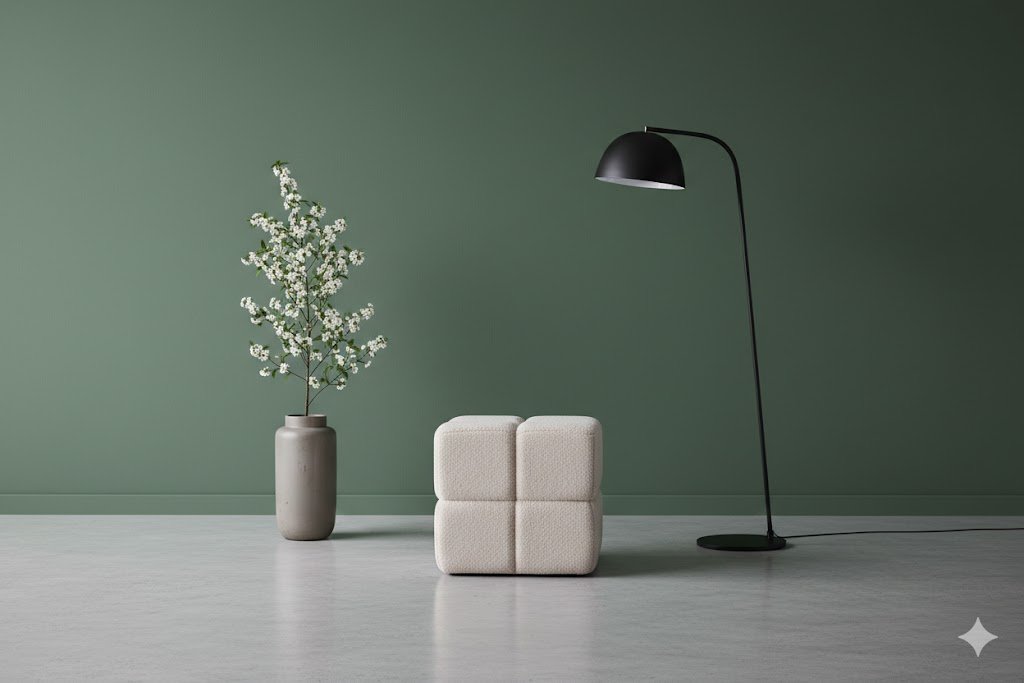
Within this compact living ecosystem, the demand for a highly adaptive compact storage pouf has skyrocketed. This single, small-footprint product addresses three primary pain points for apartment residents simultaneously:
Expanding your brand’s catalog to include small-space furniture involves navigating a unique set of manufacturing and logistics variables. Success in the global small space seating wholesale sector relies entirely on balancing premium consumer-facing aesthetics with highly disciplined manufacturing cost efficiency. Importers must move away from generic products and look toward dedicated OEMs who offer supply chain solutions and robust low-MOQ flexibility without sacrificing structural longevity.
Furthermore, in an era of volatile global raw material pricing, seasoned factories implement lean manufacturing pipelines to shield B2B buyers from sudden cost spikes. By standardizing internal wooden frames and structural hardware across multiple product variants, factories can purchase raw timber and hardware elements in bulk. This standardization enables brands to minimize capital exposure on initial orders while maintaining the freedom to customize localized aesthetic detailing, sewing lines, and specialized leg finishes.
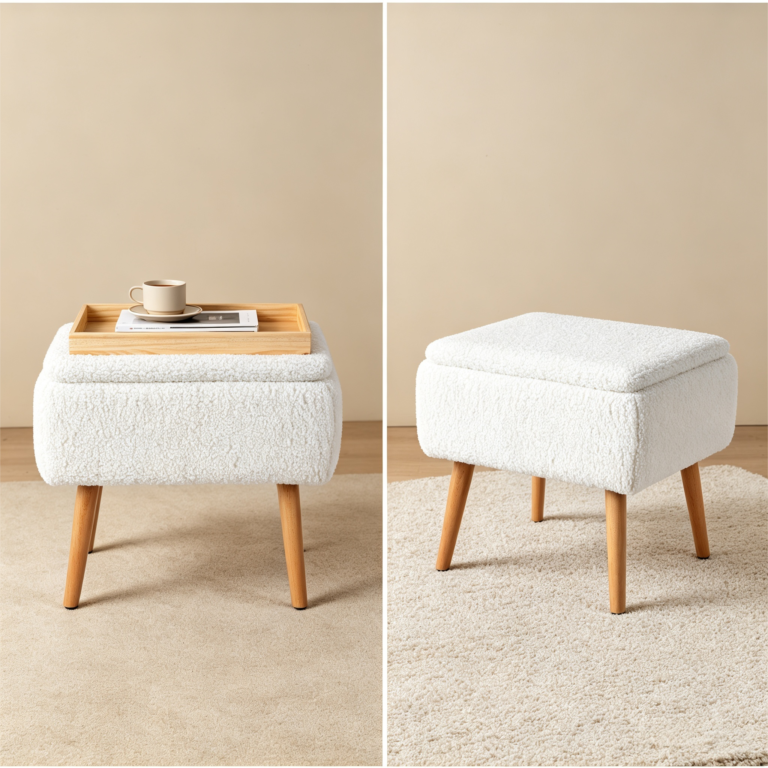
Partnering with advanced production facilities allows commercial furniture brands to fully customize product lines to fit regional market preferences—whether that involves upgrading internal cushioning to high-density fire-retardant foam, specifying stain-resistant performance fabrics, or integrating specialized hybrid components like multi-functional tray stools.
| Product Category | Core B2B Target Market | Logistics & Shipping Advantage |
|---|---|---|
| Folding Storage Ottomans | E-commerce & Promo Retailers | Ultra-flat packaging minimizes ocean freight costs. |
| KD (Knock-Down) Poufs | Mid-to-High End Brands | Optimizes container utilization while preserving solid-frame aesthetics. |
| Multi-functional Tray Stools | Boutique Urban Retailers | High retail perceived value boosts profit margins per unit. |
In international furniture sourcing, ocean freight and port logistics often represent a massive percentage of the total landed cost. Sourcing compact products like an apartment size ottoman means shipping empty air inside storage cavities can destroy profit margins. Experienced industrial engineers design “nested” packaging configurations—where smaller ottomans or accent legs are packed securely inside the storage compartments of larger units. This nesting methodology optimizes container density, effectively doubling the number of units fitting inside a standard 40HC container.
Furthermore, reliable e-commerce distribution requires heavy-duty packaging alignment to survive last-mile delivery networks. Leading suppliers implement strict ISTA 1A or 3A drop-testing protocols, utilizing high-density edge protectors, customized molded foam, and double-wall corrugated master cartons to guarantee zero-defect arrivals. Additionally, industrial-grade desiccants and moisture-barrier polybags protect delicate textiles and engineered wood frames from warping or mold during long ocean transits.
Beyond packaging optimization, raw material compliance remains a vital gatekeeper for international market entry. Importers distributing to North America and Western Europe must satisfy strict compliance codes, including CARB Phase 2 regulations and TSCA Title VI formaldehyde emissions standards, as well as localized flammability laws. Recognized manufacturers maintain verifiable supply chains, sourcing certified sustainable timber, and performing in-house weight capacity testing.
Retail Sourcing Tip for 2026: Cross-merchandise your small-footprint inventory. Encourage your design teams to pair compact footstools with matching linen entryway benches. This strategic bundling offers buyers cohesive storage furniture collections that maximize every square inch of a modern floor plan.
Looking deeper into the 2026 retail horizon, consumer expectations regarding color palettes and textile textures are shifting faster than ever, driven by viral digital design trends monitored by style authorities like Architectural Digest. Static inventory models requiring twelve-month lead times are no longer viable. Modern supply chains must support agile custom manufacturing adaptations—applying trending seasonal colors like muted olive green, warm rust terracotta, and minimalist oatmeal cream onto proven, structurally sound frames.
Two major product design innovations are dominating the small-space sector this year: removable, washable covers and eco-certified sustainable materials. Modern apartment dwellers favor storage ottomans equipped with concealed zippers that allow fabric shells to be removed for cleaning or swapped out seasonally. Simultaneously, Corporate Social Responsibility (CSR) mandates have pushed sustainable fabrics into the mainstream, with buyers demanding upholstery woven from GRS-certified recycled polyester, upcycled cotton blends, and sustainable bamboo linen.
To support these design choices in e-commerce, forward-thinking manufacturers offer digital 3D CAD assets and photorealistic renderings. This allows online furniture retailers to integrate AR (Augmented Reality) “try-out” tools directly onto storefronts, letting urban consumers virtually place a compact pouf into their studio apartment before purchasing—a strategy proven to reduce returns by up to 25%.
As a premier B2B furniture manufacturer built upon functional, modern design (read more about us), FZ Victor specializes in resolving supply chain challenges faced by international furniture brands. Operating state-of-the-art production facilities across both China and Vietnam, we provide flexible OEM/ODM manufacturing capabilities alongside accessible low-MOQ sourcing models designed specifically to help growing brands scale safely.