
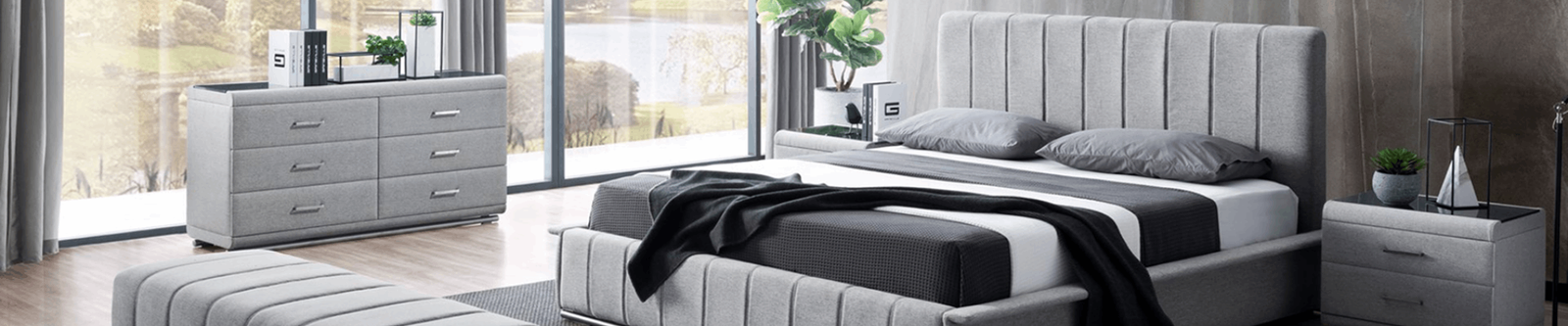

As the global furniture market enters a new era of sustainability, technology, and design innovation, importers must stay ahead of the curve to remain competitive. In 2026, the demand for high‑quality, customizable, and responsibly sourced pieces is surging, especially from North America, Europe, and the Middle East. This comprehensive guide outlines the key trends shaping wholesale furniture exports, highlights practical strategies for sourcing from China, and explains how partnering with an experienced furniture manufacturer in China can accelerate your growth.
1. Sustainability as a Core Buying Criterion
Eco‑consciousness is no longer a niche preference; it is a mainstream expectation. Importers report that 78% of their B2B buyers prioritize materials that are recyclable, FSC‑certified, or derived from reclaimed sources. To meet these expectations, manufacturers are adopting closed‑loop production, low‑VOC finishes, and carbon‑neutral logistics.
Key sustainable materials
- Bamboo: Rapidly renewable, lightweight, and highly durable.
- Recycled wood composites: Reduce deforestation while maintaining structural integrity.
- Organic cotton and hemp upholstery: Offer breathability and biodegradability.
When you source from a partner that integrates these materials, you gain a marketing advantage and comply with tightening import regulations in the EU and NAFTA regions.
2. Modular & Multi‑Functional Designs Drive Volume Sales
Urbanization and smaller living spaces have shifted buyer preferences toward modular furniture that adapts to changing needs. Items such as stackable chairs, transformable sofas, and storage‑integrated pieces dominate wholesale catalogs. The most successful exporters offer a range of finishes and configurations, enabling retailers to create localized assortments without extensive SKU proliferation.
Case Study: Storage Ottoman Wholesale Opportunities
One of the fastest‑growing segments is the storage ottoman wholesale market. Ottomans that double as hidden storage solutions cater to both aesthetic and functional demands. By providing options in fabric, leather, and wood veneer, manufacturers can fulfill diverse retail specifications while keeping production costs low through standardized cores.
3. Digital Integration & Supply Chain Transparency
Technology is redefining the B2B furniture buying experience. Importers now expect real‑time inventory visibility, digital product configurators, and seamless order tracking. Integrating ERP systems with supplier platforms reduces lead times and minimizes errors. Moreover, blockchain‑based certificates of origin are gaining traction as a proof‑of‑compliance tool for sustainable sourcing.
Practical steps for importers
- Require suppliers to provide an API for live stock updates.
- Adopt a product configurator on your website to let buyers visualize custom finishes.
- Insist on digital CO2‑footprint reports for each shipment.
Choosing a supplier that already invests in these technologies can dramatically shorten your onboarding timeline.
4. Customization at Scale: The New Competitive Edge
While standardization reduces cost, the ability to offer bespoke elements—such as logo embossing, unique hardware, or personalized dimensions—creates higher margins. Advances in CNC machining and automated upholstery have made low‑volume customization economically viable.
Why a custom entryway bench matters
Entryway benches are prime examples of high‑touch items that benefit from customization. Retailers can request specific wood species, leg finishes, or integrated shoe storage, turning a simple bench into a signature piece. When a China‑based partner has flexible tooling and skilled artisans, you can offer these tailored solutions without sacrificing lead‑time.
5. Market‑Specific Design Localization
Understanding regional aesthetic preferences is crucial. For instance, Scandinavian markets favor minimalistic lines and muted palettes, whereas the Middle Eastern market often seeks intricate inlays and bold colors. A seasoned furniture manufacturer in China will have dedicated design teams that research local trends and can quickly iterate prototypes to match each market’s taste.
Design adaptation workflow
- Trend research – Design team gathers visual cues from target regions.
- Concept sketch – Rapid digital mock‑ups are shared via a secure portal.
- Sample production – 3‑day turnaround for a physical prototype.
- Feedback loop – Importer reviews and requests adjustments.
- Final tooling – Approved design moves to mass production.
6. Pricing Strategies for 2026
Price sensitivity remains high, but buyers are willing to pay a premium for sustainability and customization. The sweet spot for most wholesale contracts lies between a 20%–35% margin over manufacturing cost, depending on the product category. Leveraging bulk orders for standard SKUs while applying a small add‑on fee for custom features maximizes profitability.
Conclusion: Position Your Business for Success
2026 presents a landscape where sustainability, modularity, digital transparency, and customization converge to reshape wholesale furniture exports. By aligning with a proactive furniture manufacturer in China that offers robust product ranges—including storage ottoman wholesale and custom entryway bench solutions—you can meet the evolving demands of global retailers, reduce lead times, and command higher margins.
Ready to future‑proof your sourcing strategy? Contact Fuzhou Victor Furniture today and start building a partnership that delivers quality, innovation, and compliance across every market you serve.