Address
304 North Cardinal
St. Dorchester Center, MA 02124
Work Hours
Monday to Friday: 7AM - 7PM
Weekend: 10AM - 5PM
Address
304 North Cardinal
St. Dorchester Center, MA 02124
Work Hours
Monday to Friday: 7AM - 7PM
Weekend: 10AM - 5PM
When it comes to creating a cohesive living‑room aesthetic, the standard ottoman is often the unsung hero. In 2026, designers are elevating this versatile piece from a simple footrest to a statement element that defines style, sustainability, and functionality. Below, we break down the three most influential trends shaping standard ottomans this year, giving furniture buyers the confidence to choose pieces that will stay fresh for years to come.
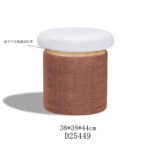
After years of neutral dominance, 2026 sees a resurgence of deep, saturated colors on ottoman upholstery. Think midnight navy, forest emerald, and rich terracotta. These tones work as focal points or as anchors that pull together a room’s existing palette. Pair a bold ottoman with lighter sofas and rugs to create visual balance without sacrificing impact.
Patterned fabrics are no longer limited to throw pillows. Designers are integrating large‑scale geometric prints and organic, nature‑inspired motifs directly onto ottoman covers. The contrast between sharp lines and soft textures adds depth, especially when the ottoman sits on a plain floor or under a minimalist coffee table.
Eco‑conscious consumers are demanding furniture that tells a story of responsibility. In 2026, many manufacturers are turning to recycled polyester blends, reclaimed denim, and plant‑based leather alternatives such as Piñatex or mushroom leather. These materials deliver durability while reducing waste, making the ottoman a guilt‑free addition to any eco‑forward home.
Beyond upholstery, the structural components of ottomans are getting greener. Sustainable hardwoods like bamboo, reclaimed oak, and FSC‑certified walnut are popular for frames. Low‑VOC (volatile organic compound) finishes ensure indoor air quality remains high—a critical consideration for families and health‑focused buyers.
Space optimisation continues to dominate interior design, and the ottoman is leading the charge. Modern designs feature lift‑top lids and internal compartments that can hold blankets, magazines, or even a mini‑home‑office kit. Some models include removable trays that double as side tables, offering flexibility for both seating and surface needs.
For small apartments and dynamic living environments, convertible ottomans are a game‑changer. Certain 2026 models can transform into a low bench, a child’s seat, or even a compact sofa when paired with additional modules. This adaptability ensures the piece remains relevant as household needs evolve.
Choosing a standard ottoman in 2026 is about more than pick‑and‑mix aesthetics; it’s an investment in style longevity, sustainability, and smart functionality. By focusing on bold colors, eco‑friendly materials, and versatile designs, buyers can select an ottoman that not only complements today’s décor trends but also anticipates tomorrow’s lifestyle demands. Whether you’re redecorating a single room or curating an entire home, let these trends guide you toward an ottoman that truly stands out.