
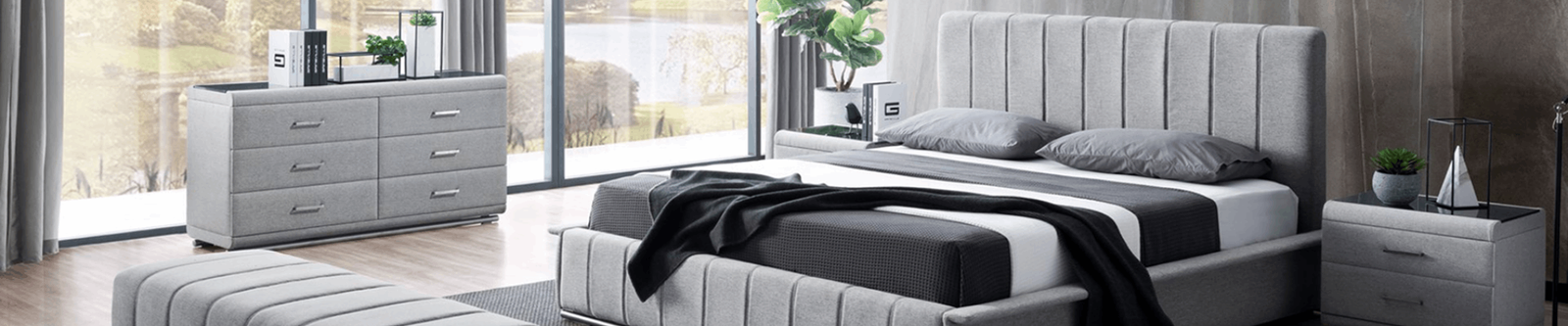

Discover why a round faux leather ottoman is the perfect blend of style, comfort, and durability for any space—plus expert buying tips.
The round faux leather ottoman has become a go‑to accent for designers who want a mix of elegance and practicality. Its circular silhouette softens sharp lines, while the synthetic leather delivers the rich feel of genuine leather without the high upkeep or ethical concerns.
Why Choose a Round Faux Leather Ottoman?
Elegant Shape for Seamless Décor
A round ottoman instantly creates a visual anchor that balances the geometry of sofas, chairs, and tables. The soft curve draws the eye inward, making the room feel more inviting and less boxy. This shape works especially well in open‑plan living areas, where a single circular piece can tie together disparate furniture groups into a cohesive design.
Faux Leather: Luxury Without the Cost
Modern faux leathers are engineered to replicate the depth, grain, and sheen of real leather while remaining budget‑friendly. They use advanced polyurethane or PVC blends that resist cracking and scuffing, meaning you get a high‑end look without the premium price tag. Additionally, opting for synthetic leather supports animal‑friendly production practices, a point many conscious shoppers appreciate.
Durability That Stands Up to Daily Use
Today’s faux leathers are UV‑stable and water‑resistant, making them ideal for homes with active families or pets. The material can handle accidental spills, sun exposure, and frequent cleaning without losing its luster. This durability translates into a longer lifespan, protecting your investment for years to come.
Key Features to Look For
Size and Proportion
Measure the area where you intend to place the ottoman. A 32‑inch diameter piece fits comfortably beside a standard sofa as a footrest, while a larger 44‑inch model can double as a low coffee table in spacious living rooms. Keep traffic flow in mind—ensure the ottoman doesn’t obstruct pathways.
Padding and Comfort Level
The cushion core determines how the ottoman feels underfoot or when used for seating. High‑density foam offers firm support ideal for frequent foot‑rest use, whereas a blend of memory foam and down feathers creates a plush, sink‑in experience perfect for casual lounging. Match the padding to the primary function to maximize comfort.
Stitching and Edge Detail
Reinforced double stitching prevents seams from unraveling over time, especially in high‑traffic areas. Tapered or rolled edges not only add a refined, handcrafted aesthetic but also reduce wear on the corners where pressure is greatest. Look for ottomans that advertise “hand‑stitched” or “premium edge finish” for added durability.
Color and Finish Options
Classic black and deep brown remain timeless, seamlessly integrating with most color palettes. However, bold hues—such as teal, mustard, or blush—can serve as statement pieces that energize a neutral room. Matte finishes lend a contemporary vibe, while glossy surfaces reflect light and add a touch of sophistication. Choose a finish that complements your existing décor style.
How to Incorporate a Round Faux Leather Ottoman Into Your Space
As a Footrest
Position the ottoman directly in front of a sofa or armchair. Add a coordinated throw blanket or a small stack of cushions to create a layered, inviting lounge zone. The ottoman’s height should align with the seat height of the surrounding chairs for ergonomic comfort.
Extra Seating for Guests
Arrange two or three round ottomans around a low coffee table to form flexible seating that can be moved as needed. This arrangement works well in open‑plan layouts or during gatherings, allowing guests to settle comfortably without committing to permanent chairs.
Functional Coffee Table
Select an ottoman featuring a removable tray or built‑in storage compartment. The flat surface serves as a place for drinks, books, or decorative objects, while the hidden storage keeps remotes, blankets, or magazines neatly tucked away. This dual‑purpose design maximizes functionality in smaller apartments.
Styling with Textiles and Accessories
Layer a patterned rug underneath the ottoman to ground the space, then place a sculptural vase, a stack of coffee‑table books, or a small plant on top. The contrast between the sleek faux leather and soft textiles adds depth and visual interest, turning a simple ottoman into a focal point.
Maintenance Tips to Keep Your Ottoman Looking New
Proper care extends the life of faux leather and preserves its luxe appearance. Follow these simple steps to keep your round ottoman looking fresh year after year:
- Regular Dusting: Wipe the surface weekly with a soft microfiber cloth to remove dust and prevent grit from scratching the finish.
- Spot Cleaning: For spills, blot immediately with a damp, lint‑free cloth. Avoid rubbing, which can spread the stain.
- Conditioning: Apply a high‑quality faux‑leather conditioner every three to four months. This restores suppleness and guards against drying cracks.
- Avoid Direct Sunlight: Prolonged exposure can cause fading. Use curtains, blinds, or UV‑protective window film in sunny rooms.
- Cleaning Stubborn Stains: Mix a few drops of mild dish soap with warm water, test on an inconspicuous area, then gently scrub with a soft brush before wiping clean.
Conclusion
Whether you’re updating a contemporary loft or adding a touch of luxury to a family room, a round faux leather ottoman delivers style, comfort, and practicality in a single, versatile piece. By focusing on size, cushioning, stitching, and color—and by following straightforward maintenance routines—you can ensure your ottoman remains a centerpiece for years to come. Explore the curated collection at fzvictor.com and find the perfect round faux leather ottoman to elevate your home today.