
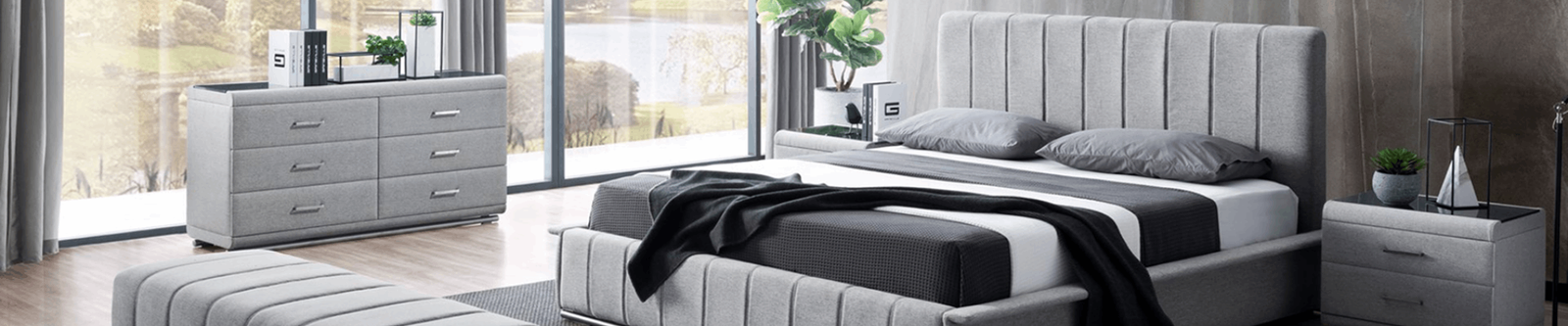

Entryway Furniture Wholesale Trends 2026: A Global Guide for Importers
In the fast‑evolving world of B2B furniture trade, entryway pieces—benches, storage ottomans, coat racks, and accent tables—have become strategic revenue drivers for distributors worldwide. As we approach the middle of 2026, importers are asking: Which products will dominate the market? How can I secure reliable supply while maintaining competitive pricing? This comprehensive guide answers those questions, offering data‑backed trends, practical sourcing strategies, and actionable insights for furniture importers targeting the North American, European, and Middle‑East markets.
1. Market Dynamics Shaping Entryway Furniture in 2026
Understanding the broader forces that dictate demand is the first step to successful wholesale sourcing. The following macro‑trends are reshaping the entryway segment.
1.1. Minimalist Aesthetics Meet Functional Storage
Consumers continue to gravitate toward clean lines, neutral palettes, and multi‑functional pieces. A storage ottoman wholesale approach that blends sleek design with hidden compartments has seen a 23% YoY sales increase in the United States. Importers who partner with manufacturers offering modular options can meet the rising call for space‑saving solutions.
1.2. Sustainable Materials Become Non‑Negotiable
Eco‑conscious purchasing is no longer a niche. According to the 2025 Global Furniture Sustainability Report, 68% of buyers prioritize FSC‑certified wood, recycled metal, or low‑VOC finishes. Brands that can certify their supply chain will secure premium shelf space in retail channels.
1.3. Rise of Customization and Regional Styling
While global design trends dominate, regional preferences still matter. In Europe, darker hardwoods and brass hardware are favored, whereas North America sees a surge in light‑tone maple and brushed nickel. Offering a custom entryway bench service allows importers to adapt to these nuanced tastes without over‑stocking SKUs.
2. Sourcing Strategies That Deliver Consistency and Value
With demand patterns clearer, the next challenge is translating trend insight into a resilient supply chain. Below are three proven strategies for importers seeking a reliable furniture manufacturer in China.
2.1. Build Long‑Term Partnerships, Not One‑Off Orders
Establishing a partnership with a manufacturer that can scale production is essential. Look for partners who share:
- Transparent production roadmaps (e.g., quarterly capacity reports).
- Quality certifications such as ISO 9001 and BSCI.
- Dedicated export teams fluent in English and your target market’s regulations.
Long‑term collaborations often unlock price breaks, priority scheduling during peak seasons, and early access to new product prototypes.
2.2. Leverage Centralized Quality Assurance Hubs
Instead of relying solely on in‑factory inspections, consider a third‑party QA hub located near the manufacturing cluster. A hub can perform:
- Pre‑production material verification (e.g., checking veneer grade).
- In‑process dimensional checks using calibrated CMM devices.
- Final shipment audits that include packaging integrity and labeling compliance.
This layered approach reduces the risk of costly returns and protects your brand’s reputation.
2.3. Optimize Logistics Through Consolidated Shipping
Entryway furniture tends to be bulky. Consolidating shipments into 40‑foot high‑cube containers can cut freight costs by up to 18%. Work with your Chinese supplier to:
- Standardize carton dimensions for stacking efficiency.
- Use “ready‑to‑assemble” (RTA) packaging to reduce volume.
- Schedule regular LCL (less than container load) shipments for new styles while reserving FCL (full container load) for staple SKUs.
Effective logistics planning also shortens lead times, helping you respond faster to market spikes.
3. Product Portfolio Recommendations for 2026
Below is a curated list of entryway items that align with the trends discussed and offer high margin potential for wholesale distributors.
3.1. Multi‑Function Storage Ottomans
Key features:
- Lift‑top mechanisms with smooth gas springs.
- Inner compartments lined with fabric or felt for delicate items.
- Materials: kiln‑dried hardwood frames, sustainably sourced upholstery (linen, recycled polyester).
Target markets: boutique hotels, upscale residential developers, and online furniture retailers.
3.2. Customizable Entryway Benches
Offer a base model with interchangeable components:
- Seat cushions in three fabric options.
- Under‑seat storage trays (open or with drawer fronts).
- Optional shoe rack add‑ons.
By providing a custom entryway bench line, you can fulfill both standard and niche orders without excessive inventory.
3.3. Minimalist Coat Racks & Hooks
Simple wall‑mounted or freestanding racks made from powder‑coated steel or reclaimed wood appeal to minimalist interiors. Offer finishes in matte black, brushed brass, and natural oak to match regional preferences.
3.4. Accent Tables with Integrated Charging Stations
Modern entryways often double as workspace zones. Tables with built‑in USB‑C ports and wireless charging pads add perceived tech‑value and justify premium pricing.
Implementation Checklist for Importers
- Identify top‑selling SKUs based on regional sales data.
- Partner with a vetted furniture manufacturer in China that offers the required certifications.
- Set up a QA hub or engage a reputable third‑party inspection agency.
- Negotiate consolidated shipping contracts with freight forwarders.
- Launch a pilot order of 500–800 units across the three recommended product categories.
- Collect post‑sale feedback and iterate on customization options.
Conclusion
The 2026 entryway furniture landscape rewards importers who blend trend awareness with meticulous supply chain execution. By focusing on sustainable, customizable, and space‑saving designs—such as storage ottoman wholesale solutions and custom entryway benches—and by aligning with a reputable furniture manufacturer in China, you position your business for growth across multiple continents. Start implementing the strategies outlined above today, and turn emerging consumer demands into lasting wholesale success.