

Meta Description: Discover the pros, cons, and best uses of benches and ottomans to elevate your living space. Expert tips for choosing the perfect piece.
Introduction
When it comes to furnishing a room, two pieces often spark debate among interior designers and homeowners alike: the bench and the ottoman. Both can serve as seating, storage, and decorative focal points, but they each bring a unique blend of aesthetics and practicality. This guide breaks down the essential differences, helping you decide which option aligns best with your style, space, and budget.
Understanding the Bench: Form and Function
Design Variations
Benches come in a wide array of designs, from sleek, mid‑century modern silhouettes to rustic, reclaimed‑wood pieces. Common variations include:
- Entryway benches: Often feature a low back and a hidden compartment for shoes or accessories.
- Dining benches: Provide flexible seating for long tables, allowing you to expand the guest count without extra chairs.
- Outdoor benches: Constructed from weather‑resistant materials such as teak, powder‑coated metal, or synthetic rattan.
Practical Benefits
Beyond aesthetics, benches deliver several functional advantages:
- Space efficiency: A single bench can replace multiple chairs, freeing up floor space.
- Storage potential: Many designs incorporate drawers, lift‑top seats, or under‑seat baskets.
- Versatile placement: Perfect for entryways, mudrooms, dining rooms, and even bedroom footboards.
Ottoman Essentials: Comfort Meets Style
Types of Ottomans
Ottomans have evolved far beyond the traditional footstool. Key types include:
- Cubed ottoman: Ideal for modern spaces; offers a clean, geometric look.
- Storage ottoman: Features a hinged lid that opens to reveal hidden compartments for blankets, magazines, or toys.
- Tufted or padded ottoman: Adds a plush, luxurious feel to living rooms and bedrooms.
- Tray ottoman: Comes with a removable tray on top, turning the piece into a coffee table or sideboard.
Multi‑Purpose Uses
Ottomans are celebrated for their flexibility:
- Extra seating: Offer a comfortable perch for guests without the visual clutter of additional chairs.
- Footrest: Provides an ergonomic place to rest feet after a long day.
- Coffee table substitute: Pair with a decorative tray for a casual, low‑profile surface.
- Room divider: Large, upholstered ottomans can subtly separate conversation areas in open‑plan homes.
Choosing the Right Piece for Your Space
Room‑by‑Room Guide
Entryway: Opt for a bench with built‑in storage to keep shoes and umbrellas tidy. A slim, upholstered bench adds softness without blocking traffic flow.
Living room: A tufted ottoman works as both a footrest and a coffee‑table alternative. Choose a fabric that complements your sofa for a cohesive look.
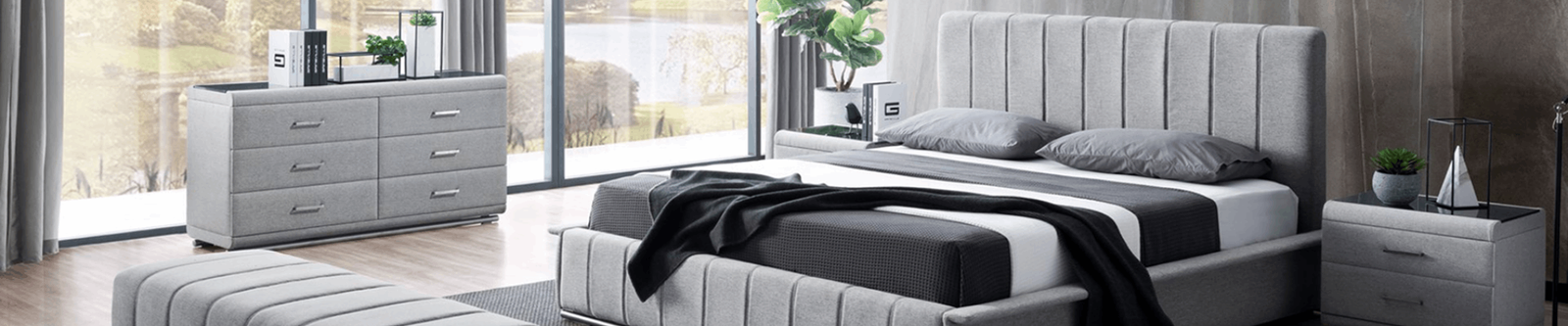
Bedroom: Pair a low bench at the foot of the bed with a storage ottoman on the side for extra linens and a place to sit while dressing.
Outdoor patio: A weather‑proof bench provides communal seating for gatherings, while a durable rattan ottoman can serve as a casual side table.
Budget & Material Considerations
When budgeting, weigh durability against design:
- Wood benches: Offer timeless appeal; hardwoods like oak and maple cost more but last decades.
- Metal frames: Provide industrial chic and are often more affordable; pair with a cushion for comfort.
- Upholstered ottomans: Fabric choice drives price—linen and cotton are budget‑friendly, while velvet and leather command premium prices.
- Storage mechanisms: Hidden drawers add cost but increase functionality, making them a worthwhile investment for small spaces.
Conclusion
Both benches and ottomans bring distinct strengths to a home. Choose a bench when you need sturdy seating, storage, and a statement piece that anchors a room. Opt for an ottoman if you prioritize softness, flexibility, and the ability to switch between footrest, side table, and extra seat on the fly. By evaluating your space, lifestyle, and design preferences, you can select the piece that not only fits your décor but also elevates everyday comfort.