
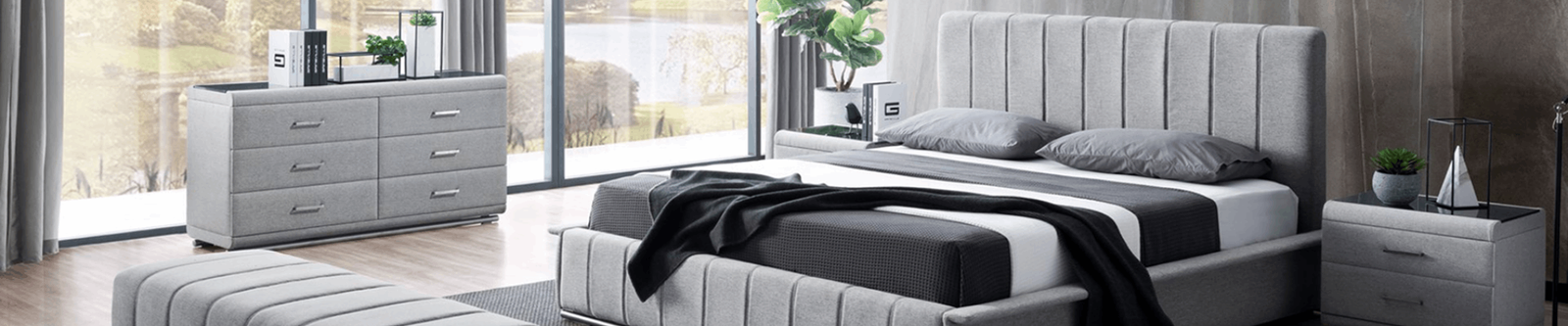


2026 Wholesale Furniture Trends: A Global Importer’s Guide to Chinese Manufacturing
As the world moves toward more sustainable, tech‑enabled, and design‑forward living spaces, furniture importers must stay ahead of the curve. In 2026, the wholesale market is being reshaped by three powerful forces: eco‑conscious materials, smart‑integrated pieces, and the continued rise of flexible, multi‑functional designs. For importers targeting the high‑end residential and commercial sectors, partnering with a reliable furniture manufacturer in China can turn these trends into profit.
1. Sustainable Materials Are No Longer a Niche
Today’s buyers expect transparency about the origins of wood, metal, and upholstery. In 2026 the wholesale sector will see a surge in:
- FSC‑certified hardwoods sourced from responsibly managed forests.
- Recycled metal frames that retain industrial strength while reducing carbon footprint.
- Low‑VOC finishes and bio‑based fabrics that meet stringent indoor‑air‑quality standards.
Chinese manufacturers have invested heavily in green technology, allowing them to offer eco‑friendly product lines at competitive price points. Importers who showcase these qualities can command premium margins and strengthen brand loyalty across North America, Europe, and the Middle East.
Why Importers Should Prioritize Sustainable Stock
Data from the International Trade Centre shows a 27% YoY increase in orders for sustainable furniture in 2025. Retailers are also responding to consumer pressure—over 68% of shoppers say they would pay more for furniture that is environmentally responsible. By aligning with manufacturers that provide full traceability reports, you position your catalogue as a trusted source for responsible design.
2. Smart‑Integrated Furniture: The New Standard for Modern Spaces
From home offices to boutique hotels, the integration of technology into furniture is moving from novelty to necessity. Key product categories include:
- Wireless charging desks and tables with concealed power hubs.
- LED‑infused lounge chairs that adjust lighting based on ambient conditions.
- Modular storage solutions equipped with IoT sensors to track inventory in real‑time.
When sourcing smart pieces, choose a partner that can handle both hardware integration and rigorous safety certifications. Many Chinese factories now operate dedicated R&D labs for electronics‑furniture convergence, ensuring compliance with CE, FCC, and RoHS standards.
Case Study: The Rise of the Connected Entryway
Imagine a custom entryway bench with built-in USB ports, a hidden shoe‑organizer, and a motion‑activated LED strip. Such a product not only solves storage challenges but also creates a memorable first impression for hotel guests or upscale apartment residents. Importers who add these pieces to their wholesale catalog can differentiate themselves in crowded markets and justify higher price points.
3. Multi‑Functional Designs That Maximize Small Spaces
Urbanization continues to shrink living footprints, driving demand for furniture that serves multiple purposes. The top-selling configurations for 2026 include:
- Storage ottoman wholesale opportunities—pieces that double as hidden seating, coffee tables, and storage bins.
- Convertible sofa‑beds with ergonomic memory‑foam mattresses.
- Expandable dining tables that retract to fit studio apartments yet extend for hosting gatherings.
Chinese manufacturers excel at precision engineering, allowing seamless transitions between functions without compromising aesthetics. By sourcing from a proven furniture manufacturer in China, you gain access to rapid prototyping, low‑minimum order quantities, and fast lead times—critical factors when responding to fast‑moving market trends.
Design Tips for Importers
- Focus on modularity: Offer base modules that can be mixed and matched. This encourages repeat purchases.
- Highlight hidden storage: In product copy, emphasize the “secret” compartments—consumers love the surprise element.
- Provide clear assembly instructions: Multi‑functional pieces often require assembly; video guides reduce return rates.
Implementing a Winning Sourcing Strategy in 2026
Understanding trends is only half the battle; execution determines success. Follow this three‑step framework to turn insight into revenue:
Step 1 – Vet Your Supplier
Beyond price, evaluate a partner’s:
- Certifications (ISO 9001, FSC, OEKO‑Tex).
- Production capacity and scalability.
- Quality‑control processes, including third‑party inspections.
- Supply‑chain transparency—request raw‑material origin documents.
Fuzhou Victor Furniture, for example, provides a dedicated account manager, on‑site R&D, and a 24‑hour response window for design modifications.
Step 2 – Align Product Development with Market Data
Leverage tools such as Google Trends, industry reports, and buyer surveys to shortlist SKUs. Then collaborate with your Chinese partner to prototype. Rapid sampling (often within 2‑4 weeks) lets you test market reaction before committing to full production.
Step 3 – Optimize Logistics and After‑Sales Service
In 2026, door‑to‑door delivery expectations are stricter than ever. Coordinate with freight forwarders that offer:
- Consolidated shipping for container‑load efficiency.
- Real‑time tracking dashboards.
- Customs brokerage services aware of updated HS codes for furniture components.
After the sale, a responsive warranty and spare‑part network strengthens retailer confidence and reduces return cycles.
Conclusion: Turn 2026 Trends into Wholesale Wins
By embracing sustainable materials, integrating smart technology, and prioritizing multi‑functional design, global importers can capture the most lucrative segments of the furniture market. Partnering with a reputable furniture manufacturer in China such as Fuzhou Victor Furniture ensures you have the production expertise, quality assurance, and agility needed to meet these demands.
Ready to future‑proof your catalogue? Explore our latest wholesale collections today and start placing orders for the next wave of design‑forward, sustainable, and tech‑integrated furniture.