
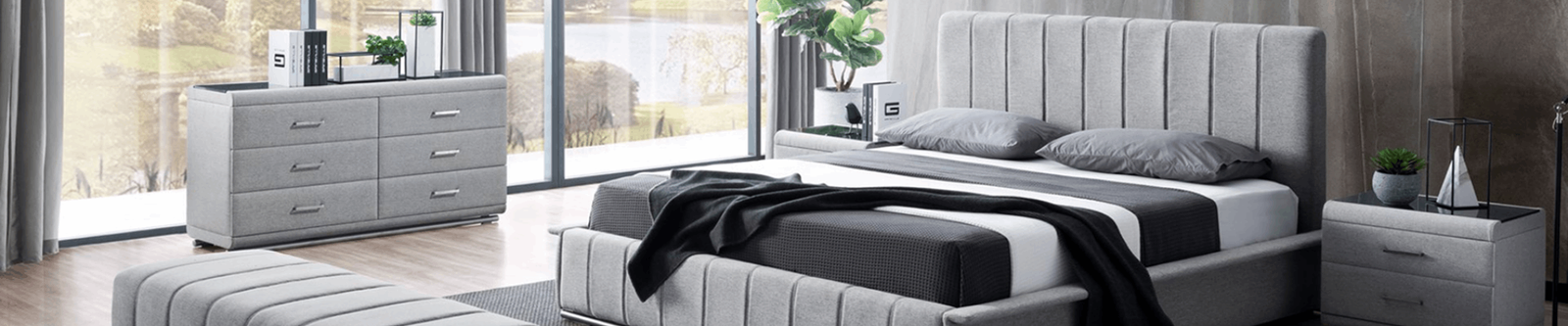


2026 **Wholesale Furniture Export Trends**: A Guide for Global Importers
As the world’s demand for high‑quality, stylish, and affordable furniture continues to surge, 2026 marks a pivotal year for importers seeking reliable partners in Asia. For businesses that source large volumes, understanding the macro‑level **Wholesale Furniture Export Trends**, logistics nuances, and product innovations is essential to stay competitive. This guide breaks down the most influential forces shaping the wholesale furniture market and offers actionable insights for importers looking to work with a trusted **China Furniture Manufacturer**.
1. Market Dynamics Shaping Wholesale Furniture in 2026
Three interlocking forces are redefining how furniture is sourced, shipped, and sold globally:
1.1 **Sustainable Design** Materials Become a Baseline Expectation
Eco‑friendly sourcing is no longer a niche; it is now a baseline requirement for B2B buyers. Importers are demanding wood certified by the Forest Stewardship Council (FSC), low‑VOC finishes, and recyclable packaging. Manufacturers that integrate **Sustainable Design** into their production lines can command premium pricing and secure longer‑term contracts.
1.2 Rise of **Modular Furniture** and Multi‑Functional Pieces
Urban living spaces are getting smaller, prompting a spike in demand for modular sofas, stackable chairs, and pieces that serve dual purposes. A storage ottoman wholesale line, for instance, offers both seating and hidden storage, making it an ideal fit for compact apartments and hotel rooms alike. This highlights the growing demand for **Modular Furniture**.
1.3 Digital Platforms Accelerate **B2B Procurement**
Online marketplaces, AI‑driven sourcing tools, and virtual showrooms are streamlining the vetting process for importers. Companies that provide high‑resolution 3D product visualizations, real‑time inventory dashboards, and one‑click order placement are winning the trust of overseas buyers, facilitating **B2B Procurement**.
2. Selecting the Right Chinese Partner: What Importers Must Evaluate
Choosing a partner in China goes beyond price comparison. Here are the critical criteria that separate a world‑class factory from an average supplier.
- Production Capacity & Scalability: Verify that the factory can handle both small‑batch custom orders and large‑scale bulk shipments without compromising lead times.
- Quality Assurance Systems: Look for ISO 9001 certification, third‑party inspection reports, and in‑house labs that test for durability, fire resistance, and formaldehyde emissions.
- Design Collaboration: A partner that offers in‑house design teams can co‑create a custom entryway bench tailored to regional aesthetics, reducing the need for costly third‑party designers, an example of effective **Sustainable Design**.
- Logistics & Export Expertise: Experience with bonded warehouses, LCL/FCL consolidation, and compliance with destination country regulations (e.g., EU REACH, US CPSC) shortens the shipping cycle.
- Transparent Pricing Structure: Clear breakdowns of material costs, labor, tooling, and shipping fees prevent surprise mark‑ups.
When a supplier checks these boxes, you gain a strategic advantage—speed, reliability, and the ability to respond swiftly to market fluctuations, especially from a strong **China Furniture Manufacturer**.
3. Practical Strategies for Maximizing Profitability in 2026
Beyond choosing the right manufacturer, importers can boost margins through smart sourcing and distribution tactics.
3.1 Leverage Volume Bundling
Combine complementary items—such as a storage ottoman wholesale order with a set of side tables—to negotiate deeper discounts. Bundling reduces per‑unit freight costs and simplifies customs documentation.
3.2 Adopt a Tiered Inventory Model
Maintain a core “fast‑moving” inventory in a regional warehouse while keeping a larger safety stock in a bonded facility in Shanghai. This approach lowers capital tied up in inventory while ensuring rapid replenishment for high‑demand items.
3.3 Optimize Product Customization
Offer region‑specific finishes (e.g., matte black frames for Scandinavian markets) without extensive re‑tooling. Working with a **China Furniture Manufacturer** that utilizes CNC machining and flexible upholstery lines makes low‑volume customizations cost‑effective, supporting **Modular Furniture** concepts.
3.4 Embrace Data‑Driven Forecasting
Integrate sales analytics platforms with supplier lead‑time data to predict demand spikes—like the back‑to‑school surge for dormitory furniture. Accurate forecasts allow you to place orders just‑in‑time, reducing excess stock and write‑offs, improving **B2B Procurement**.
Conclusion: Position Your Business for Success in 2026
The **Wholesale Furniture Export Trends** landscape in 2026 rewards importers who combine deep market insight with strategic partnerships. By aligning with a reputable **China Furniture Manufacturer**, embracing **Sustainable Design** and **Modular Furniture**, and applying data‑driven sourcing techniques, you can secure competitive pricing, shorten lead times, and meet the evolving expectations of global consumers.
Ready to future‑proof your supply chain? Explore our product catalog, request a custom quote, and start building a resilient, profitable wholesale furniture business today with optimized **B2B Procurement**.