
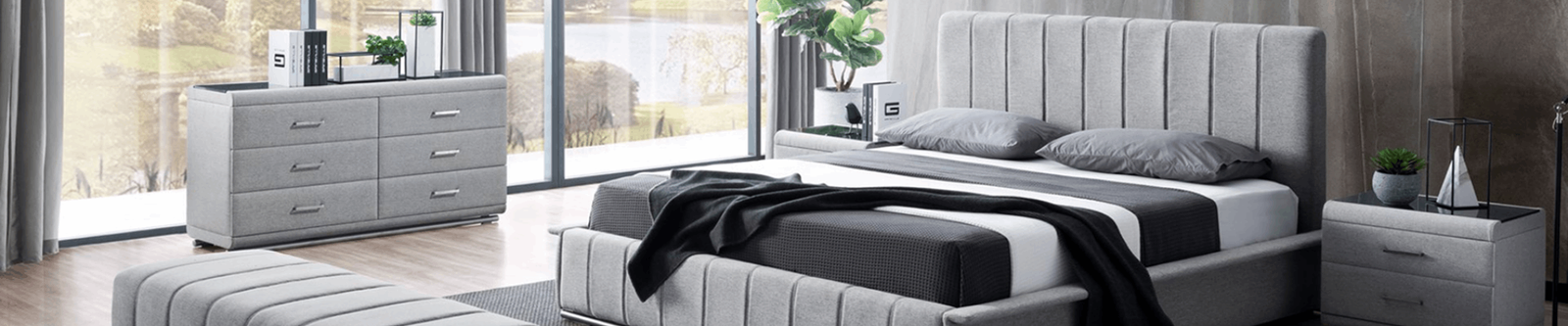


As the global furniture market continues to evolve, 2026 presents a pivotal year for importers seeking reliable, high‑quality products at competitive prices. From shifting consumer preferences to tighter sustainability standards, understanding these dynamics is essential for making informed sourcing decisions. This guide breaks down the most influential trends, highlights product opportunities, and outlines how partnering with a seasoned furniture manufacturer in China can give your business a decisive edge.
1. Market Overview: Demand Shifts and Emerging Opportunities
Post‑pandemic recovery, combined with rising disposable incomes in emerging economies, has fueled demand for both functional and statement pieces. Importers are observing three key patterns:
- Multi‑functional living solutions: Urban dwellers are looking for space‑saving furniture that doubles as storage, seating, or workstations.
- Eco‑conscious buying: Millennials and Gen‑Z shoppers prioritize sustainably sourced materials and transparent supply chains.
- Regional aesthetic influences: African prints, Scandinavian minimalism, and Asian craftsmanship are all seeing crossover in global collections.
For wholesale partners, this translates into increased orders for items like storage ottoman wholesale units that blend storage with stylish seating, and custom entryway bench designs that incorporate local motifs while remaining adaptable to various interior styles.
Why 2026 Is a Watershed Year
Two macro‑economic forces make 2026 especially critical:
- Supply‑chain resilience: After years of disruption, buyers are prioritizing manufacturers with diversified sourcing and robust logistics networks.
- Regulatory pressure: New carbon‑footprint reporting requirements in the EU and North America mean importers must verify the environmental impact of each product line.
Choosing a partner who already complies with these standards shortens the qualification timeline and reduces risk.
2. Product Innovation: Sustainable Materials and Design Intelligence
Innovation is no longer a nice‑to‑have—it’s a baseline expectation. Importers who can showcase genuine sustainability will capture premium market share.
2.1 Sustainable Materials Making Headway
Materials such as reclaimed wood, bamboo, and recycled polyester are moving from niche to mainstream. In 2026, we expect:
- Reclaimed hardwood: Proven to reduce deforestation while delivering a high‑end aesthetic.
- Bamboo composites: Lightweight, strong, and rapidly renewable, perfect for lounge chairs and side tables.
- Closed‑loop fabrics: Upholstery made from post‑consumer plastic waste, offering durability and low VOC emissions.
Our plant in Fuzhou has invested in certified FSC‑controlled forests and a state‑of‑the‑art bamboo processing line, ensuring that every piece meets international eco‑certifications.
2.2 Design Intelligence: Smart & Modular Furniture
Technology integration is reshaping the furniture landscape. Smart furniture equipped with wireless charging, embedded speakers, or modular components that can be re‑configured on‑the‑fly is gaining traction.
When you source from a forward‑thinking furniture manufacturer in China, you gain access to R&D teams that can co‑develop custom solutions, whether it’s a modular sofa system for co‑working spaces or a tech‑enabled storage ottoman that doubles as a charging hub.
2.3 Customization at Scale
Importers increasingly demand product lines that can be personalized for regional markets without sacrificing economies of scale. The ability to offer multiple finishes, hardware options, and fabric combos on a single SKU dramatically improves inventory turnover.
Our CNC‑driven factories enable rapid changeovers, allowing you to launch a custom entryway bench collection tailored to the color palettes of Southeast Asian retailers, then pivot to a monochrome version for European distributors within weeks.
3. Logistics, Compliance, and the Value of a Trusted Partner
Even the most compelling product lineup can falter without a seamless supply chain. Below are three logistics pillars that importers should scrutinize before finalizing a wholesale agreement.
3.1 End‑to‑End Visibility
Real‑time tracking, automated customs documentation, and integrated warehouse management reduce lead times from 45 days to under 30 days for most container loads. Our partnership with major ports in Shanghai and Ningbo ensures spot‑rate shipping and priority berth allocation.
3.2 Compliance & Certification Management
Compliance is increasingly complex, encompassing:
- ISO 14001 environmental management.
- OEKO‑Tex and GOTS certifications for textiles.
- EU REACH chemical safety standards.
Our compliance team prepares all documentation in advance, providing importers with a ready‑to‑file packet, which accelerates customs clearance and minimizes unexpected duties.
3.3 Risk Mitigation Through Strategic Sourcing
By diversifying production lines across multiple facilities in the Fujian province, we can reroute orders if geopolitical tensions or natural events affect one site. This multi‑facility model protects your supply chain and assures continuity—an essential competitive advantage in a volatile global market.
Conclusion: Position Your Business for Success in 2026
The wholesale furniture landscape in 2026 rewards those who can blend trend‑forward design, sustainability, and flawless logistics. By aligning with a proven furniture manufacturer in China, you gain:
- Access to storage ottoman wholesale and custom entryway bench collections that meet emerging consumer demands.
- Assurance of eco‑certifications and compliance with global standards.
- Robust, transparent logistics that shrink lead times and lower total landed cost.
Ready to future‑proof your product portfolio? Contact Victor Furniture today and start sourcing the next generation of wholesale furniture that will dominate the market in 2026 and beyond.