
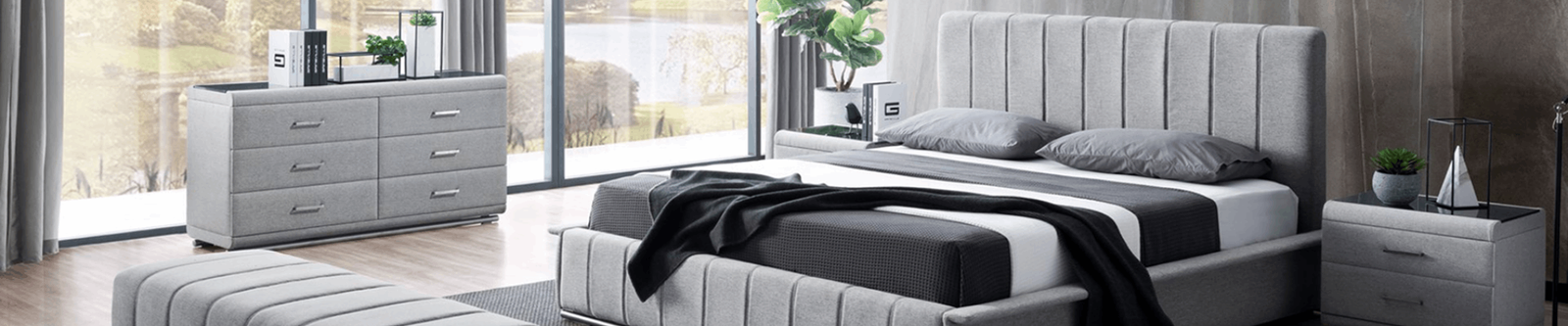

2026 Wholesale Furniture Export Trends: A Guide for Global Importers
As the world shifts toward sustainable design, digital commerce, and rapid supply‑chain innovation, the wholesale furniture market is undergoing a profound transformation. For global importers looking to stay ahead, understanding the forces shaping 2026—and partnering with a reliable furniture manufacturer in China—is essential. This article explores the key trends, sourcing strategies, and quality standards that will define successful furniture export in the coming year.
1. Market Dynamics Driving 2026 Wholesale Furniture Demand
Three macro‑level drivers are reshaping demand across North America, Europe, and the Asia‑Pacific region:
- Eco‑conscious consumerism: Buyers increasingly prioritize low‑VOC finishes, reclaimed wood, and circular‑economy certifications such as FSC and Cradle‑to‑Cradle.
- Hybrid living spaces: The rise of remote work has expanded the need for multifunctional furniture—pieces that serve as storage, seating, and workspace in one.
- Digitized procurement: B2B e‑commerce platforms, AI‑driven demand forecasting, and blockchain traceability are becoming standard expectations for wholesale partners.
Understanding these drivers helps importers select product lines that meet both aesthetic preferences and regulatory requirements.
1.1 The Rise of Modular & Multifunctional Collections
Modular sofa systems, convertible coffee tables, and stackable storage units are gaining traction. Importers should look for designs that can be easily customized in fabric, finish, and size. When sourcing these items, ask manufacturers about storage ottoman wholesale capabilities, as ottomans are a standout example of space‑saving furniture that also adds visual interest.
1.2 Sustainability as a Non‑Negotiable Standard
Beyond marketing claims, many retailers now require verifiable proof of sustainability. Certifications, recycled material percentages, and transparent supply‑chain documentation are essential. A reputable partner like Victor Furniture provides detailed product passports that satisfy ISO 14001 and other global standards.
2. Sourcing Strategies for Importers: Quality, Cost, and Speed
Choosing the right supplier is a balancing act between price, quality, and lead time. Below are three strategic approaches that have proven effective in 2026:
2.1 Leverage Tiered Production Models
Many Chinese manufacturers now operate a tiered system: a flagship factory for high‑volume, cost‑effective items; a boutique line for custom, high‑margin pieces; and a rapid‑prototype unit for trend‑driven releases. By aligning your product mix with these tiers, you can optimize inventory turnover while still offering unique designs.
2.2 Build a Collaborative R&D Pipeline
Rather than simply placing orders, forward‑thinking importers co‑develop collections. This includes sharing market insights, providing 3‑D CAD files, and testing prototypes in target markets. Victor Furniture’s in‑house design studio works closely with overseas partners to produce custom entryway bench solutions that reflect regional aesthetics while retaining manufacturing efficiency.
2.3 Adopt Smart Logistics & Real‑Time Tracking
Blockchain‑based traceability platforms now allow importers to monitor every stage of production—from raw material sourcing to final palletization. This transparency reduces risk, speeds customs clearance, and builds trust with end‑customers who demand proof of ethical sourcing.
3. Quality Assurance & Compliance: Staying Ahead of Regulations
Regulatory compliance is no longer an after‑thought. In 2026, the following standards dominate the wholesale furniture landscape:
- EU REACH & CE Marking: Ensures chemical safety and product conformity for European markets.
- U.S. CPSC BIFMA Standards: Covers durability, fire resistance, and ergonomics for North American retailers.
- Asia‑Pacific GRI‑GRS: Addresses social responsibility and recycled content claims.
Victor Furniture maintains an ISO‑9001 certified quality management system that integrates third‑party testing labs, enabling seamless compliance across these regions.
3.1 Implementing a Dual‑Inspection Model
Importers should conduct pre‑shipment inspections in the factory and post‑shipment checks at the port of loading. This two‑step approach catches issues early and reduces the likelihood of costly returns.
3.2 Documentation & Digital Certificates
All product files—including material safety data sheets (MSDS), test reports, and origin certificates—should be stored in a cloud‑based portal accessible to both buyer and supplier. Victor Furniture offers an API that feeds these documents directly into buyer ERP systems, simplifying audit trails.
Conclusion
2026 presents a dynamic environment for wholesale furniture importers: sustainability, modularity, and digital transparency are the new norms. By partnering with a forward‑looking furniture manufacturer in China that embraces modular design, collaborative R&D, and rigorous quality systems, importers can meet market demand, mitigate risk, and capture higher margins.
Whether you are sourcing storage ottoman wholesale solutions, a custom entryway bench, or a full‑line of eco‑friendly living‑room sets, Victor Furniture stands ready to turn your sourcing strategy into a competitive advantage. Contact us today to start building the next wave of successful wholesale furniture collections.