
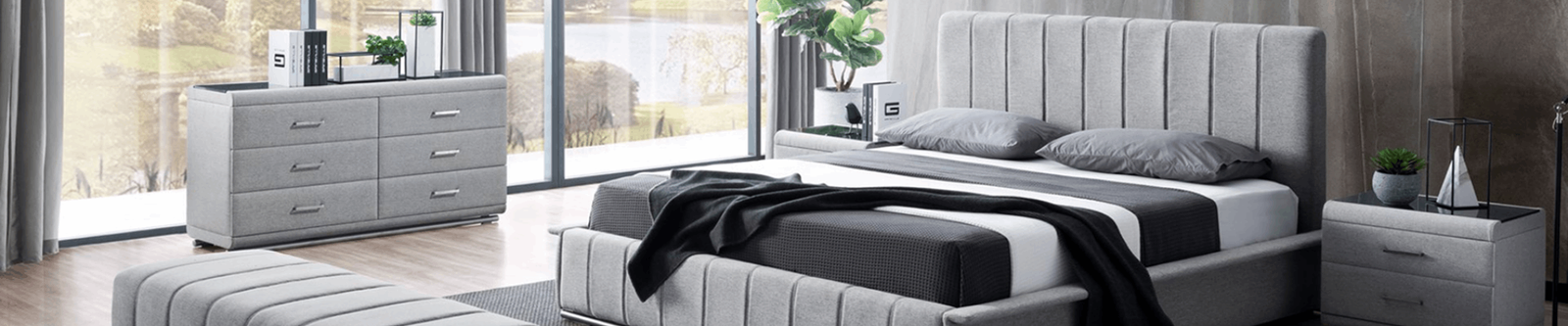

As the global furniture market continues its rapid evolution, importers seeking reliable wholesale partners must stay ahead of emerging trends, logistics challenges, and sustainability demands. For manufacturers and distributors worldwide, 2026 presents a pivotal moment to reassess sourcing strategies, product portfolios, and partnership models. This guide offers an in‑depth look at the forces shaping wholesale furniture export and explains why aligning with a seasoned furniture manufacturer in China can give your business a competitive edge.
Understanding the Global Wholesale Furniture Landscape
Before diving into specific trends, it’s essential to grasp the broader dynamics influencing wholesale furniture trade:
- Market Consolidation: Large retailers are merging, creating fewer but more powerful buying entities. This drives higher volume orders and stricter quality expectations.
- Regional Shifts: While North America and Europe remain leading import markets, the Middle East, Southeast Asia, and Africa are experiencing accelerated growth, especially for mid‑range and premium‑grade pieces.
- Digital Procurement: B2B e‑commerce platforms are becoming the primary channel for sourcing, demanding transparent product data, 3D visualizations, and seamless order integration.
For importers, these macro‑factors mean that selecting a partner who can provide consistent product compliance, rapid response times, and scalable production capacity is no longer optional—it’s a prerequisite for success.
Key Trends Shaping Furniture Export in 2026
1. Sustainability as a Core Buying Criterion
Eco‑friendly materials such as FSC‑certified wood, recycled metal, and low‑VOC finishes are now standard specifications in RFPs. Importers are also demanding transparent supply‑chain documentation to verify carbon footprints. Manufacturers that have invested in green certifications and circular‑economy processes can command premium pricing and secure long‑term contracts.
2. Multi‑Functional & Space‑Saving Designs
Urbanization continues to shrink living spaces, prompting a surge in demand for furniture that maximizes utility without compromising aesthetics. Items like storage ottoman wholesale solutions, modular shelving, and convertible sofas dominate the market. Offering a diversified catalog that includes these smart pieces positions importers as solution‑providers rather than mere product suppliers.
3. Customization at Scale
Consumers are seeking personalized interiors, yet they still expect reasonable lead times and price points. Advances in CNC machining, digital printing, and automated upholstery enable manufacturers to produce custom finishes, dimensions, and hardware without sacrificing economies of scale. Highlighting capabilities such as a custom entryway bench can differentiate an importer’s portfolio in competitive bids.
4. Digitally Integrated Supply Chains
Artificial intelligence, blockchain, and IoT sensors are being adopted to enhance traceability, forecast demand, and reduce inventory holding costs. Importers who integrate these technologies with their supplier’s ERP systems benefit from real‑time visibility, lower freight expenses, and improved order accuracy.
Partnering with a Reliable Furniture Manufacturer in China
Choosing the right manufacturing partner is the cornerstone of a successful wholesale operation. Below are the critical criteria you should evaluate, illustrated with examples from Victor Furniture, a leading furniture manufacturer in China:
Production Capability & Flexibility
Victor maintains a 120,000‑sq‑mt facility equipped with state‑of‑the‑art CNC routers, high‑capacity spray booths, and a dedicated upholstery line. This infrastructure supports both high‑volume standard lines and low‑run custom projects, allowing importers to place mixed orders—e.g., a bulk shipment of classic dining sets alongside a limited edition line of bespoke entryway benches.
Quality Assurance & Compliance
All products undergo multi‑stage QA, including raw material inspection, in‑process checks, and final 100% testing against ISO 9001, BIFMA, and UE‑Ergonomics standards. Third‑party audits are conducted quarterly, and compliance certificates are uploaded to an online portal accessible to partners.
Transparent Pricing & Lead‑Time Management
Victor offers a transparent FOB pricing calculator on its B2B portal, displaying cost breakdowns for material, labor, and logistics. Standard lead times range from 30‑45 days for mass‑produced items to 60‑75 days for fully customized designs, with real‑time updates via API integration.
Commitment to Sustainable Practices
Beyond using FSC‑certified timber, Victor operates a closed‑loop water recycling system and sources solar energy for 40% of its electricity consumption. Importers can request sustainability reports to satisfy end‑customer demands for eco‑friendly products.
After‑Sales Support & Logistics Expertise
The company’s dedicated export team handles customs documentation, freight forwarding, and insurance. With strategically placed warehouses in Shanghai, Guangzhou, and Shenzhen, Victor can consolidate shipments to major ports, optimizing freight costs for importers shipping to North America, Europe, or the Middle East.
Strategic Actions for Importers in 2026
- Audit Your Supplier Base: Conduct a gap analysis against the trends above. Prioritize partners that demonstrate sustainability, customization, and digital integration.
- Leverage Data‑Driven Forecasting: Use AI tools to predict seasonal demand spikes for items like storage ottomans and entryway benches, aligning order quantities with market trends.
- Expand Product Assortments: Introduce multi‑functional pieces that cater to space‑constrained living environments, positioning your catalog as a one‑stop solution.
- Invest in Joint Marketing: Co‑brand sustainability stories and case studies with your manufacturer to strengthen brand credibility with end‑users.
- Optimize the Supply Chain: Implement blockchain‑based traceability to assure clients of material provenance, reducing risk and enhancing compliance.
Conclusion
2026 will be defined by a convergence of sustainability, customization, and digital supply‑chain innovation. Importers who align with a forward‑thinking partner—one that can deliver high‑quality storage ottoman wholesale options, custom entryway bench solutions, and robust ESG credentials—will secure the most lucrative contracts and sustain growth in an increasingly competitive marketplace. Partner with Victor Furniture today and transform your wholesale strategy for the new era of global furniture trade.