

2026 Wholesale Entryway Furniture Guide: Trends, Quality, and Sourcing Strategies
For global importers, entryway furniture is more than a functional necessity – it sets the tone for a home or commercial space. As the market evolves, staying ahead of design trends, material innovations, and supply‑chain efficiencies becomes critical. This comprehensive guide walks you through the most important considerations for sourcing wholesale entryway furniture in 2026, with actionable insights for reducing risk, enhancing product appeal, and building a long‑term partnership with a reliable furniture manufacturer in China.
1. Emerging Design Trends Shaping Entryway Furniture in 2026
Design trends are the lifeblood of any wholesale catalog. Below are the three strongest currents that will dominate the entryway segment this year.
1.1 Multi‑Functional Bench‑Storage Hybrids
Consumers are demanding pieces that combine seating, storage, and aesthetic appeal. A custom entryway bench that incorporates hidden compartments, shoe racks, and integrated lighting is becoming a staple in both residential and boutique hotel lobbies. The key to success is offering modular options that can be adapted to narrow hallways or spacious foyers.
1.2 Sustainable Materials & Eco‑Friendly Finishes
Eco‑conscious buyers are willing to pay a premium for furniture made from reclaimed wood, bamboo, or recycled metal. Certifications such as FSC, GREENGUARD, and ISO 14001 are increasingly referenced in RFQs. Highlight these credentials on your product pages to win trust from importers who source for green‑building projects.
1.3 Statement Ottomans and Small‑Scale Storage
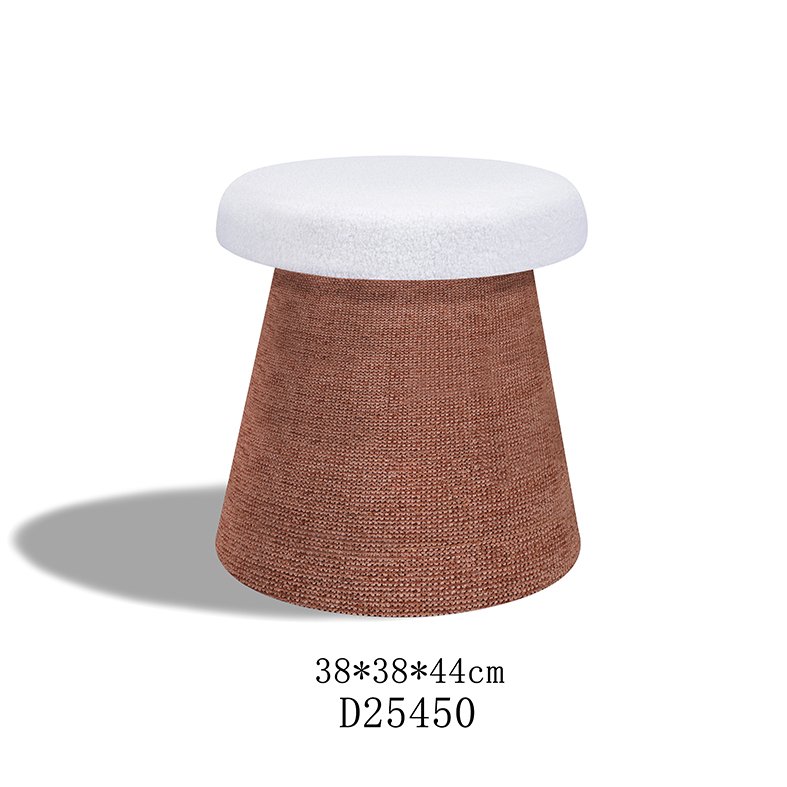
Ottomans are transitioning from simple footrests to bold, storage‑centric focal points. A storage ottoman wholesale offering removable lids, interior dividers, and vibrant upholstery can double as a seat, a coffee table, and a hidden tote for coats or accessories. Color trends for 2026 include earthy terracotta, muted sage, and deep navy, which pair well with the natural wood tones that dominate the market.
2. Quality Assurance: From Raw Materials to Finished Product
In B2B transactions, product reliability is non‑negotiable. Importers must establish rigorous QA protocols before committing to large orders. Below are the critical checkpoints every importer should enforce.
2.1 Material Traceability
Ensure the supplier maintains documented traceability for every batch of wood, metal, or textile. This includes mill certificates, metal alloy specifications, and fabric composition sheets. Traceability not only supports sustainability claims but also streamlines recall procedures if needed.
2.2 Structural Integrity Testing
Entryway benches and ottomans must support repeated daily loads. Request static load tests (e.g., 200 kg for benches) and dynamic fatigue testing (10,000 cycles) as part of the sampling process. Verify that joints use reinforced dowels, metal brackets, or high‑strength adhesive appropriate for the material.
2.3 Finish Durability & Compliance
Finishes should meet VOC limits set by international regulations (e.g., EU REACH, US CARB Phase 2). Conduct abrasion resistance (Martindale) and scratch tests on varnish, lacquer, or fabric upholstery. For commercial contracts, a minimum 5‑year wear warranty is often expected.
2.4 Third‑Party Certification
Partnering with a factory that already holds ISO 9001 (quality management) and ISO 14001 (environmental management) simplifies certification audits. Many Chinese manufacturers, including leading furniture manufacturer in China, invest heavily in these standards to appeal to global buyers.
3. Streamlined Sourcing & Logistics for Global Importers
Even the most beautiful, high‑quality product loses value if delivery timelines are unpredictable. The following strategies help you build a resilient supply chain.
3.1 Consolidated Production Planning
Instead of placing separate orders for benches, ottomans, and side tables, request a consolidated production schedule. This reduces tooling change‑over time, lowers per‑unit cost, and aligns shipping windows. Ask the supplier for a shared Gantt chart that highlights critical milestones such as material receipt, CNC machining, upholstery, and final quality inspection.
3.2 Incoterms & Freight Optimization
For entryway furniture, the most common Incoterms are FOB (Free On Board) and CIF (Cost, Insurance, Freight). When importing to North America or Europe, CIF can simplify budgeting, but FOB paired with a trusted freight forwarder often yields cost savings. Evaluate container load plans: a standard 40‑ft high‑cube container can hold up to 30 bench‑style units or 45 ottoman units, depending on stacking configurations.
3.3 Risk Management & Insurance
Given the high value of upholstered items, ensure cargo insurance covers both physical damage and loss of goods. Additionally, negotiate clause‑level force‑majeure terms that address pandemic‑related disruptions—a lesson learned from 2020‑2022.
3.4 Digital Collaboration Platforms
Modern factories use PLM (Product Lifecycle Management) and ERP systems that grant importers real‑time visibility into order status, inventory levels, and shipment tracking. Request portal access as part of the contract to streamline communication and reduce email lag.
3.5 Sample Verification & Remote Inspection
Before scaling up, order a pre‑production sample that matches the exact material, finish, and hardware specifications of your target SKU. Use third‑party inspection services (e.g., SGS, Bureau Veritas) to confirm compliance. Many manufacturers now offer live video walk‑throughs of the production line, adding an extra layer of confidence.
Conclusion: Position Your Portfolio for 2026 Success
Wholesale entryway furniture sits at the intersection of design, durability, and logistics. By aligning with a forward‑thinking furniture manufacturer in China, you gain access to innovative product families such as the storage ottoman wholesale line and bespoke custom entryway bench collections that meet the evolving aesthetic and sustainability expectations of global consumers.
Implement the quality checkpoints, design insight, and supply‑chain tactics outlined above, and you will be positioned to offer a compelling, on‑trend catalogue that minimizes risk and maximizes profit. The 2026 market rewards those who combine style with substance – start the conversation with a reputable Chinese partner today and secure your competitive edge.