
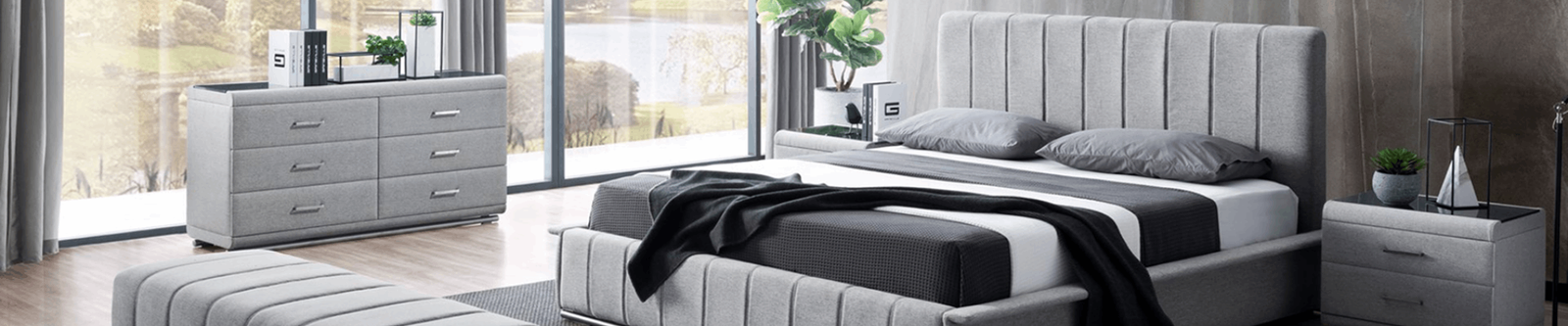
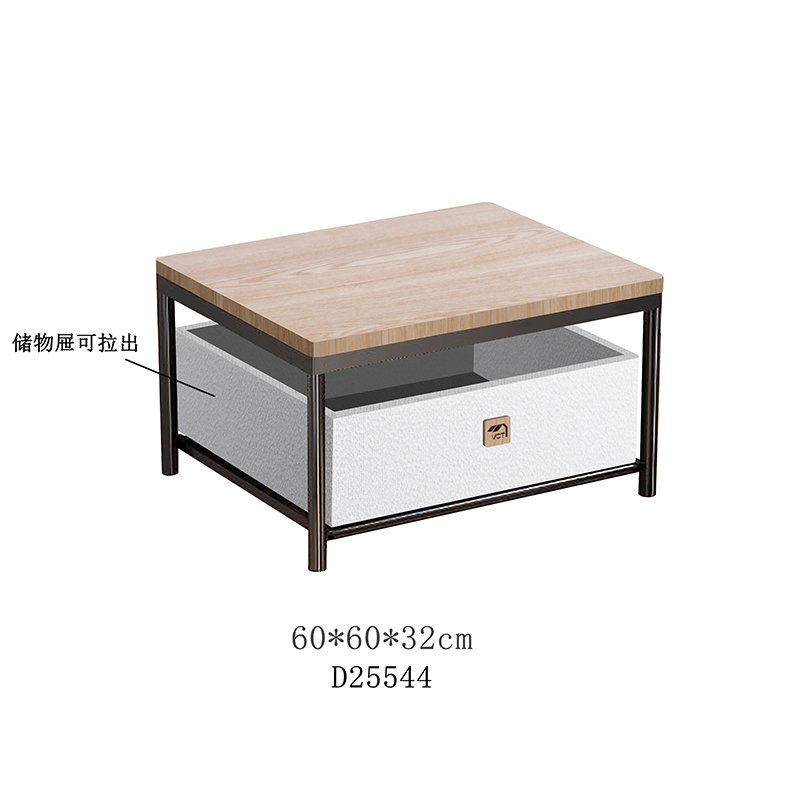

“Ottoman vs. Bench: Your Ultimate Guide to Choosing the Perfect Furniture Piece
Deciding between an ottoman and a bench for your home? Explore the unique benefits, uses, and styles with Fzvictor.com’s expert guide to find your ideal fit.
In the expansive world of home furnishings, selecting the perfect piece can feel like a delightful challenge. Among the most popular and versatile options are ottomans and benches, both renowned for adding style, functionality, and comfort. While they might seem similar, understanding the distinct characteristics and primary uses of an ottoman versus a bench is crucial for making an informed decision that truly enhances your living space. At Fzvictor.com, we’re here to guide you through their differences, helping you pinpoint which one will best serve your needs and aesthetic preferences.
Ottomans: Versatility Redefined
What is an Ottoman?
Traditionally, an ottoman was a low, upholstered footrest or stool without a back or arms. Modern ottomans have evolved into highly versatile pieces, available in various shapes and materials. Their defining characteristic is the lack of a backrest or armrests, enabling multifaceted use.
Pros of Ottomans
- Multifunctionality: Serves as a footrest, extra seating, a coffee table (with a tray), or even a bedside table.
- Comfort: Padded and plush, perfect for elevating feet and promoting relaxation.
- Style Accent: Acts as a bold statement or a subtle complement, tying a room’s decor together.
- Storage Options: Many come with lift-top or hinged lids, providing hidden space for blankets, magazines, or toys.
- Flexibility: Often lightweight, making them easy to move and adapt to different room layouts.
Cons of Ottomans
- Can Be Bulky: Larger ottomans may take up significant floor space, potentially overwhelming smaller rooms.
- Less Defined Seating: Lacks back support, making them less ideal for prolonged sitting compared to a traditional chair.
- Potential for Clutter: If used as a coffee table without a solid tray, items might tip, and the soft surface can invite clutter.
Ottomans excel in living rooms, family rooms, and bedrooms where comfort, flexibility, and often hidden storage are paramount.
Benches: Practicality Meets Elegance
What is a Bench?
A bench is a long seat, typically designed for multiple people, often without a backrest or armrests, though some styles include them. Modern indoor benches have become sophisticated and functional elements, characterized by their elongated shape and sturdy construction.
Pros of Benches
- Structured Seating: Provides defined seating for multiple individuals, ideal for dining rooms, entryways, or supplementary living room seating.
- Space-Saving: Backless benches can be tucked under tables or against walls, excellent for maximizing space in smaller areas.
- Decorative Appeal: A well-chosen bench can be a stunning focal point, adding architectural interest and elegance to a hallway, bedroom foot, or bay window.
- Versatile Placement: Works beautifully in entryways for shoe-donning, at the foot of a bed for extra surface area, or as distinctive dining seating.
- Can Offer Storage: Many benches, especially entryway models, incorporate storage compartments for shoes or outdoor gear.
Cons of Benches
- Less Flexible as a Footrest: Generally less comfortable or practical for elevating feet compared to an ottoman.
- Can Be Less Comfortable: Without a backrest, prolonged sitting can be less comfortable.
- Often Single-Purpose: Primarily functions as seating or a surface, less so as a comfortable footrest or robust coffee table.
Benches are stellar choices for hallways, dining areas, bedrooms, and even home offices where structured, multi-person seating and a refined aesthetic are desired.
Making the Right Choice: Ottoman vs. Bench for Your Home
The decision between an ottoman and a bench ultimately depends on your specific needs, the room, and your personal style. Here’s how to weigh your options:
Consider Your Space and Needs
- Primary Function: Need a footrest, flexible extra seating, and a surface? An ottoman is likely best. If you require structured seating for dining, an entryway, or a bedroom, a bench will serve you better.
- Room Size: For smaller living rooms, a compact ottoman can save space. In larger areas, both can work, but a long bench might better define an area.
- Existing Furniture: Consider how the new piece complements current sofas, chairs, and tables. An ottoman pairs well with a sectional; a bench might complete a dining set.
Style and Aesthetics
Both furniture types offer an incredible array of styles. Consider your room’s theme:
- Upholstery: Plush velvet, durable linen, sophisticated leather, or a unique pattern – choose to match or contrast.
- Legs and Base: Tapered for modern, carved for traditional, or a solid plinth for contemporary.
- Shape: Round ottomans soften sharp angles; rectangular benches provide clean lines.
Key Decision Factors:
- Comfort: For relaxed lounging and feet up, ottoman wins. For sitting with good posture or dining, a bench is superior.
- Versatility: An ottoman often excels in multi-functionality (footrest, table, seat).
- Space Definition: A bench is excellent for defining areas like an entryway or dining space.
- Storage: Both can offer storage; check specific models.
- Aesthetic Impact: Both can be powerful decorative elements; choose based on the desired look and feel for the room.
Conclusion
Choosing between an ottoman and a bench doesn’t have to be daunting. By understanding their core functionalities, advantages, and limitations, you can make an educated decision that brings both beauty and utility to your home. Whether you prioritize the cozy versatility of an ottoman or the elegant practicality of a bench, both are fantastic investments that can elevate your interior design. We hope this guide has illuminated the path to your perfect furniture piece. For a curated selection of high-quality ottomans and benches, explore the extensive collection at Fzvictor.com today!
“