
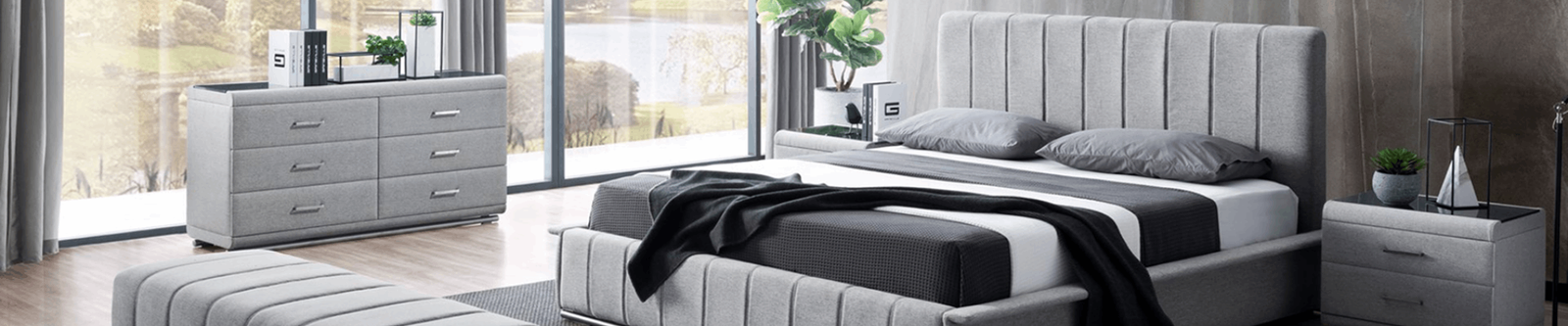

Why Choose a Vegan Leather Ottoman?
When shopping for a new ottoman, the material you select influences not only the look of your room but also its environmental footprint. Vegan leather ottomans have surged in popularity because they combine the sleek, polished appearance of traditional leather with a cruelty‑free, sustainable production process.
Environmental Benefits
Traditional leather requires thousands of gallons of water and hazardous chemicals such as chromium during the tanning process. In contrast, vegan leather is typically produced from plant‑based polymers, recycled PET, or innovative bio‑materials like pineapple leaf fibers (Piñatex) and apple peel leather. These alternatives reduce water consumption, eliminate toxic waste, and frequently incorporate recycled content, resulting in a markedly lower carbon footprint.
Durability & Maintenance
One common misconception is that vegan leather cannot match the durability of animal hide. Modern formulations are engineered to be tear‑resistant, UV‑stable, and easy to clean. A quick wipe with a damp cloth and mild soap is usually sufficient to keep the surface looking fresh, making it an ideal choice for high‑traffic areas such as living rooms, home offices, and entryways.
Key Features to Look For
Not all vegan leather is created equal. To ensure you invest in a piece that will stand the test of time and style, focus on the following attributes.
Material Composition
- PU‑Coated Fabric: A popular, cost‑effective option that offers a leather‑like sheen while remaining lightweight.
- Recycled Polyester (PET) Leather: Utilizes post‑consumer plastic bottles, delivering a robust texture and excellent resistance to stains.
- Plant‑Based Bio‑Leather: Materials such as Piñatex, Mylo (mushroom leather), and AppleSkin provide a natural grain and are fully biodegradable.
Design & Comfort
- Ergonomic Shape: Look for ottomans with rounded edges or plush cushioning that support relaxed seating.
- Versatile Functions: Many models double as storage units, coffee tables, or extra footrests—maximizing utility in smaller apartments.
- Color Palette: Vegan leather is available in classic tones like tan, charcoal, and navy, as well as bold hues such as emerald or blush, allowing you to match any interior scheme.
Top Picks & Buying Guide
Below are curated recommendations across three price tiers, each offering a blend of style, sustainability, and value.
Budget‑Friendly Picks (Under $150)
- EcoSeat Mini Ottoman: PU‑coated canvas, 4‑inch cushion, available in three neutral colors. Ideal for dorm rooms or starter apartments.
- Recycled PET Footstool: Made from 100% reclaimed plastic bottles, this ottoman features a sturdy wooden frame and a detachable cover for easy cleaning.
Mid‑Range Selections ($150–$350)
- GreenLeaf Storage Ottoman: Combines a spacious interior compartment with a plush, plant‑based leather finish. The hidden zipper ensures your belongings stay secure while the fabric resists everyday wear.
- Urban Loom Round Ottoman: Features a thick, high‑density foam core wrapped in buttery‑soft vegan leather. Its contemporary silhouette works well in modern lofts.
Premium Luxury Options (Above $350)
- Mylo Signature Ottoman: Crafted from mushroom mycelium, this piece showcases a natural grain that ages beautifully. Each unit is hand‑stitched and includes a custom‑sized cushion for ultimate comfort.
- Piñatex Deluxe Pouf: Made from pineapple leaf fibers, the ottoman boasts a tactile, woven texture and comes in a variety of deep, earthy tones. Its solid hardwood frame guarantees longevity.
Conclusion
Choosing a vegan leather ottoman is more than a design decision—it’s a commitment to ethical sourcing, reduced environmental impact, and long‑lasting comfort. By evaluating material composition, durability, and functional design, you can select an ottoman that elevates your interior while aligning with your values. Whether you’re working with a tight budget or seeking a statement piece, the options above demonstrate that sustainable style is within reach for every home.