
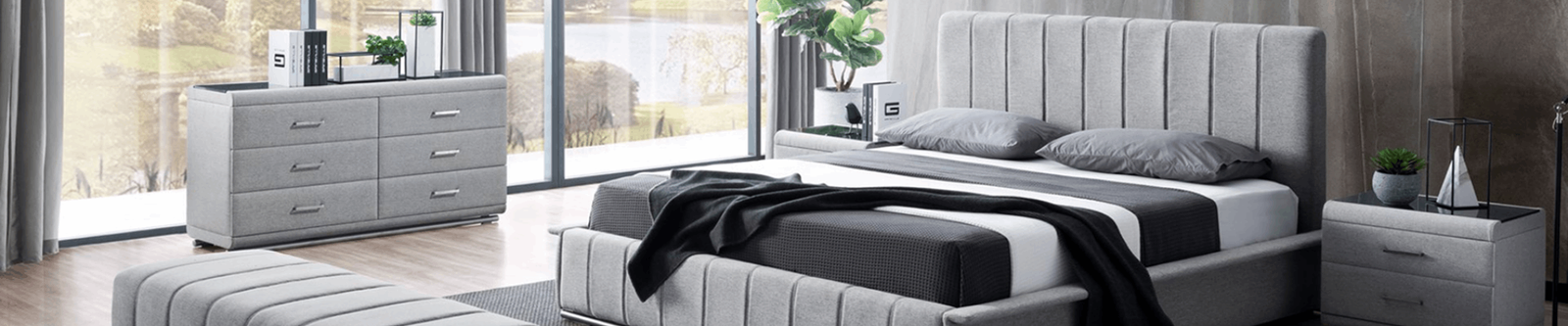

Why Footstools Matter in Modern Design Projects
Footstools are often dismissed as mere accessories, but in professional interiors they serve a dual purpose: enhancing comfort while reinforcing the visual language of the space. A thoughtfully integrated footstool can anchor a seating arrangement, balance proportions, and introduce texture or color without overwhelming the primary furniture.
Ergonomic Benefits
From a health‑focused perspective, a footstool encourages proper posture by letting occupants rest their feet, reducing pressure on the lower back. Designers who prioritize user experience frequently specify footstools in home offices, living rooms, and hospitality suites to promote longer, more relaxed stays.
Design Impact
Because a footstool occupies a smaller footprint than a chair, it offers a subtle way to introduce pattern, material contrast, or a pop of hue. When paired with a sofa or armchair of the same upholstery, it creates a cohesive visual cluster; when juxtaposed with a different texture, it adds depth and intrigue.
1. Selecting the Right Footstool for Your Project
Choosing a footstool is not a one‑size‑fits‑all decision. Consider the following criteria to align the piece with the project’s goals.
Size & Scale
- Proportion to the primary seating. A footstool should be roughly one‑third to one‑half the height of the associated chair or sofa.
- Floor space. Measure the area surrounding the seating group. In tight layouts, opt for a compact, low‑profile ottoman; in spacious rooms, a larger, plush footstool can serve as a secondary seat.
Material & Durability
- Upholstered. Ideal for residential projects where softness and warmth are priorities.
- Wood or metal frames. Better suited for commercial or industrial‑style interiors that demand sturdiness.
- Hybrid designs. A wooden base with a cushioned top offers the best of both worlds—visual weight and comfort.
Functionality
- Storage. Hidden compartments turn an ordinary footstool into a practical storage solution for blankets, magazines, or remote controls.
- Multipurpose. Some footstools double as low coffee tables or extra seating when needed.
2. Designing & Customizing Footstools
When off‑the‑shelf options don’t meet the project’s aesthetic or functional needs, custom design becomes essential. Below are key steps to guide the process.
Define the Design Brief
Start with a clear brief that addresses:
- Desired style (mid‑century modern, Scandinavian, industrial, etc.).
- Target audience and usage patterns.
- Material constraints (budget, sustainability, fire rating).
Choose the Structural Core
The core determines durability and weight. Common choices include:
- Plywood or MDF. Cost‑effective and easy to shape; best for residential interiors.
- Solid hardwood. Offers superior strength and a premium look; perfect for high‑traffic areas.
- Metal frame with a padding overlay. Ideal for modern lofts and commercial lounges.
Upholstery & Finish
Fabric selection should reflect both visual intent and performance:
- Natural fibers (linen, wool). Provide texture and breathability, suitable for warm climates.
- Synthetic blends. Offer stain resistance and durability for hospitality projects.
- Leather or faux‑leather. Impart sleek sophistication and are easy to wipe clean.
Use a high‑density foam core for consistent cushioning, and consider a removable slipcover to extend the footstool’s lifespan.
Detailing & Accents
Small design touches can elevate the piece:
- Contrast stitching or piping for a tailored appearance.
- Metal legs or hairpin supports to lift the footstool off the floor, creating a lighter visual effect.
- Laser‑etched patterns or carved wood details for a bespoke feel.
3. Styling & Placement Strategies
Even the most perfectly crafted footstool loses impact if placed incorrectly. Follow these placement guidelines to maximize both function and visual harmony.
Pairing with Seating
Align the footstool with its primary seat:
- Place directly in front of a sofa or armchair, maintaining a 2–4 inch gap for easy foot access.
- When using multiple footstools, arrange them in a staggered line to create a conversational zone.
Color & Pattern Coordination
Use the footstool as a bridge between dominant colors:
- Match the upholstery to a secondary color from the room’s palette.
- Introduce a bold pattern on the footstool if the rest of the space remains neutral.
- Maintain consistency in material finish—e.g., a wooden footstool should echo the tone of a coffee table or sideboard.
Layering with Rugs & Accessories
Position the footstool on a rug that complements its size. A rug that extends 12‑18 inches beyond the footstool’s edges grounds the piece and prevents it from feeling “floating.” Add a decorative throw or a small sculptural object on top to reinforce the design narrative.
Commercial Considerations
In hotels, lounges, or co‑working spaces, footstools should be easily movable and resistant to wear. Opt for lightweight frames with lockable wheels or stackable designs that can be stored when not in use.
Conclusion
Footstools are far more than decorative afterthoughts; they are strategic tools that blend comfort, function, and style. By assessing size, material, and intended use, customizing the structure and upholstery, and applying thoughtful placement tactics, designers can turn a simple footstool into a focal point that enhances the entire project. Incorporate these guidelines into your next design brief, and watch how a modest accent piece can elevate both the look and feel of any interior.