
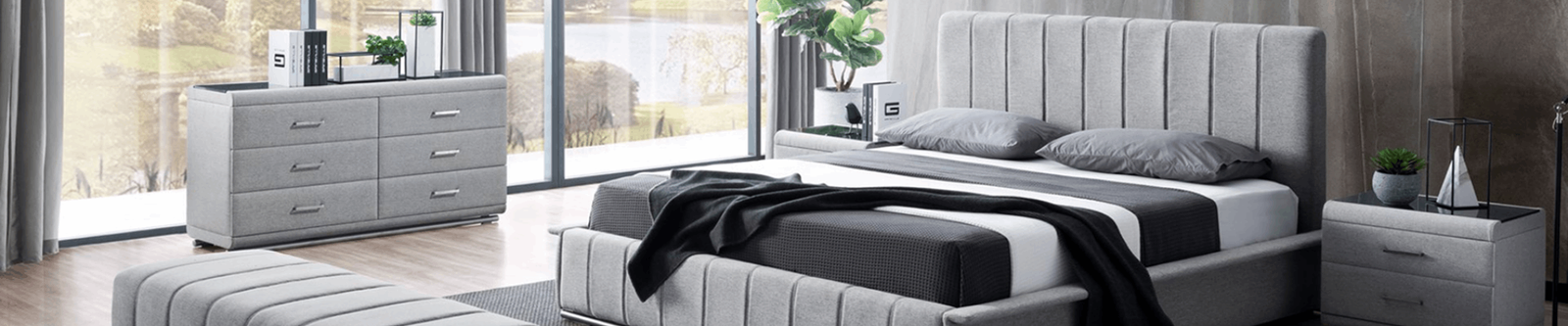

When it comes to maximizing comfort and functionality in your home, a custom upholstered storage bench stands out as a versatile centerpiece. Whether placed in an entryway, living room, or bedroom, these benches provide a seamless combination of seating, hidden storage, and personalized style. This guide walks you through everything a savvy buyer needs to know – from design considerations to material choices and maintenance tips.
Why Choose a Custom Upholstered Storage Bench?
Tailored to Your Space
Off‑the‑shelf options often force you to compromise on dimensions, fabric, or color. A custom bench is built to fit your exact measurements, ensuring a flawless integration with existing furniture and architectural details. No more awkward gaps or oversized pieces that dominate the room.
Personalized Aesthetics
From contemporary low‑profile silhouettes to classic Victorian curves, a custom design lets you select the style that matches your interior theme. Choose from a palette of fabrics – linen, velvet, leather, or performance blends – and add details like tufted backs, nailhead trims, or decorative piping.
Optimized Storage Solutions
The hidden compartment inside the bench can be configured to meet specific needs. Whether you require a wide open cavity for luggage, subdivided sections for shoes, or soft‑close drawers for delicate items, a custom approach guarantees the storage works for you, not the other way around.
Key Elements to Consider When Designing Your Bench
1. Size & Placement
- Measure the area: Record width, depth, and height clearances, including nearby obstacles like walls or doorways.
- Seat height: Standard seating is 18‑20 inches; adjust if you need a higher perch for wardrobes or a lower profile for contemporary looks.
- Depth of storage: Deeper benches store bulkier items, while shallower designs are ideal for small entryway accessories.
2. Upholstery Fabric
- Durability: For high‑traffic zones, choose fabrics with a high rub count (e.g., 15,000+ double rubs) or performance blends that resist stains.
- Feel & ambiance: Velvet adds luxurious softness, linen offers a relaxed, natural vibe, while leather brings timeless elegance.
- Maintenance: Removable, machine‑washable covers simplify cleaning; leather requires periodic conditioning.
3. Frame Construction
- Material: Solid hardwood (maple, oak, walnut) provides superior strength and longevity compared to particle board.
- Joinery: Look for dovetail or mortise‑and‑tenon joints, which prevent wobble and extend the bench’s life.
- Weight capacity: Ensure the frame can support at least 250‑300 lb, especially if you’ll use it for seating multiple people.
4. Storage Mechanism
- Lift‑top vs. drawer: A lift‑top provides a large open space; drawers add organization and can be outfitted with soft‑close hardware.
- Safety features: Soft‑close hinges and magnetic catches prevent slamming and protect delicate stored items.
- Customization: Internal dividers, fabric pockets, or built‑in compartments can be added to suit your lifestyle.
Choosing the Right Supplier for Your Custom Bench
Portfolio & Reputation
Review the maker’s portfolio to gauge craftsmanship and style range. Look for customer testimonials that mention punctual delivery, precise measurements, and responsive after‑sales support.
Design Process
A reputable workshop will provide a 3‑step process: initial consultation (measurements & style), 3‑D render preview (so you can visualize fabric, finish, and hardware), and a final proof before production. This reduces the risk of surprises.
Material Transparency
Ask for detailed specifications: type of wood, grade of veneer, fabric certifications (e.g., Oeko‑Tex for low chemical emissions), and hardware brands. High‑quality components justify the investment and ensure durability.
Lead Time & Warranty
Custom pieces typically require 4‑8 weeks to build. Verify the supplier’s warranty – at least a 2‑year guarantee on structural integrity and fabric fading is standard.
Care & Maintenance Tips to Keep Your Bench Looking Fresh
Routine Cleaning
- Dust weekly: Use a soft microfiber cloth to remove surface dust that can embed into fibers.
- Spot‑clean promptly: Blot spills with a clean, damp cloth; avoid rubbing which can spread stains.
- Rotate cushions: If the bench has removable cushions, rotate them quarterly to prevent uneven wear.
Deep Cleaning & Protection
- Fabric safe‑clean: For washable covers, follow the manufacturer’s temperature guidelines – usually cold or warm water, gentle cycle.
- Leather care: Apply a high‑quality leather conditioner every 6‑12 months; use a pH‑balanced cleaner for stubborn stains.
- Wood finish upkeep: Wipe the frame with a dry cloth; avoid excessive moisture. Use a furniture polish on hardwoods annually.
Preventing Damage
Place felt pads under heavy items stored inside the bench to protect the interior cushioning. Encourage family members to close the lift‑top or drawers gently – soft‑close hardware helps, but consistent handling extends lifespan.
Conclusion
A custom upholstered storage bench is more than a decorative accent; it’s a functional solution that adapts to your lifestyle, space constraints, and design preferences. By focusing on precise sizing, premium upholstery, sturdy construction, and a trustworthy supplier, you invest in a piece that will serve your home for years to come. Follow the care guidelines to maintain its beauty, and enjoy the seamless blend of comfort and clever storage that only a custom bench can provide.