
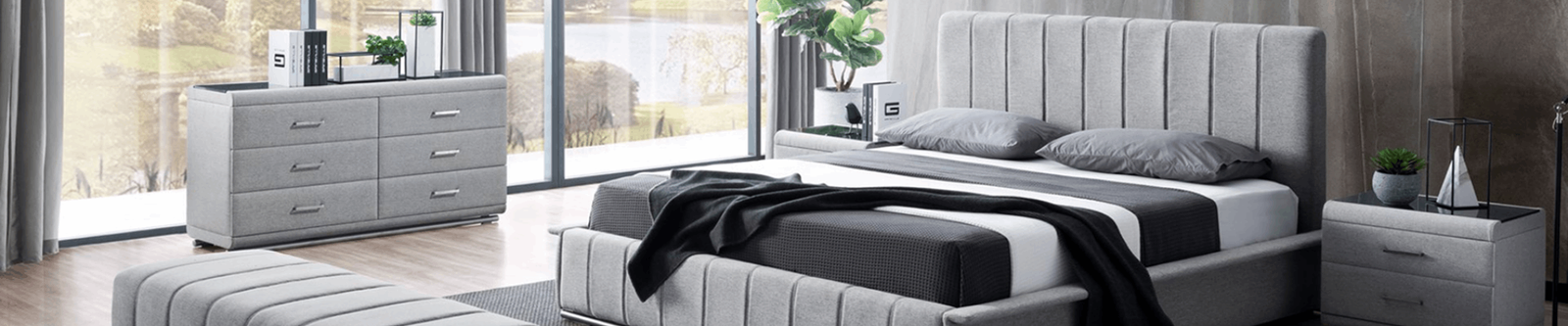

Meta Description: Discover the benefits, styles, and care tips for cork ottomans—sustainable, stylish, and versatile furniture for modern living.
Introduction
When it comes to blending sustainability with design, few pieces of furniture make a stronger statement than a cork ottoman. This versatile accent not only adds a touch of natural elegance to any room but also offers functional benefits that traditional upholstery often lacks. For furniture buyers seeking an eco‑friendly option without compromising on comfort or style, the cork ottoman stands out as a compelling choice.
Why Choose a Cork Ottoman?
1. Eco‑Friendly Material
Cork is harvested from the bark of the cork oak tree (Quercus suber) without harming the tree itself. The bark regenerates, allowing for repeated harvests every 9‑12 years. This renewable process reduces deforestation and carbon emissions, making cork a truly green material. When you invest in a cork ottoman, you’re supporting a supply chain that promotes forest conservation and biodiversity.
2. Natural Comfort & Support
The cellular structure of cork gives it a unique combination of softness and resilience. It conforms gently to the body, providing a cushioned surface that’s ideal for resting feet, extra seating, or as a low coffee table. Unlike synthetic foams, cork retains its shape over time and does not become permanently indented, ensuring long‑lasting comfort.
3. Health‑Friendly Properties
Cork is naturally hypoallergenic, antimicrobial, and resistant to mold and pests. These qualities make cork ottomans especially suitable for households with allergies, children, or pets. In addition, cork’s breathability helps regulate temperature, keeping the surface cool in summer and warm in winter.
Design Options to Match Any Décor
1. Classic Round or Square Forms
Traditional round or square ottomans provide a timeless look that works well in living rooms, bedrooms, and entryways. They can serve as footrests, extra seating, or even hidden storage units when equipped with a lift‑top mechanism.
2. Contemporary Shapes and Layers
Designers now experiment with asymmetrical silhouettes, tiered layers, and mixed‑material accents (such as metal legs or woven textiles) to create statement pieces. A sleek, low‑profile cork ottoman paired with a glass coffee table can anchor a minimalist interior, while a bold, oversized sculptural design can become the focal point of a modern loft.
3. Custom Finishes and Colors
While cork’s natural hue ranges from light beige to deep amber, manufacturers can dye or stain it to match any palette. Choose a natural finish for an organic vibe, or opt for a painted surface to coordinate with existing décor. Some brands also apply a thin, eco‑friendly lacquer that enhances durability without compromising cork’s tactile feel.
Care & Maintenance: Keeping Your Cork Ottoman Pristine
1. Routine Cleaning
- Dust the surface regularly with a soft, dry microfiber cloth.
- For spills, blot immediately with a clean, absorbent towel—avoid rubbing, which can push liquid deeper into the material.
- Use a mild, pH‑balanced cleaner diluted in water for occasional deep cleaning. Apply with a soft sponge and wipe clean with a damp cloth.
2. Protecting Against Sunlight & Heat
Prolonged exposure to direct sunlight can cause cork to fade. Position your ottoman away from windows or use UV‑filtering window treatments. Avoid placing hot items (e.g., coffee mugs) directly on the surface; a coaster will preserve both finish and comfort.
3. Longevity Tips
- Rotate the ottoman periodically to distribute weight evenly.
- Inspect the base and legs for looseness; tighten screws as needed to maintain stability.
- If your ottoman includes a storage compartment, clean the interior with a dry cloth to prevent dust buildup.
Choosing the Right Cork Ottoman for Your Space
Assess Your Needs
Consider how you’ll primarily use the ottoman: as a footrest, extra seating, storage, or a decorative accent. This will guide your decision on size, shape, and additional features like a lift‑top mechanism.
Measure Your Space
Allow at least 18‑24 inches of clearance around the ottoman for comfortable movement. For open‑plan living areas, a larger, low‑profile piece can define a seating zone, while smaller apartments benefit from compact, stackable designs.
Match Existing Furniture
Choose a finish that complements your current palette. A natural cork ottoman pairs beautifully with wood, linen, and earth tones, whereas a painted or stained version can echo bold accent colors or metal finishes in your décor.
Conclusion
Investing in a cork ottoman means embracing a piece of furniture that is sustainable, comfortable, and adaptable to a wide range of design aesthetics. Its renewable origin, health‑friendly properties, and low‑maintenance care make it an excellent addition for environmentally conscious shoppers. By selecting the right size, style, and finish, you can enjoy a functional accent that enhances both the look and the wellbeing of your home for years to come.