
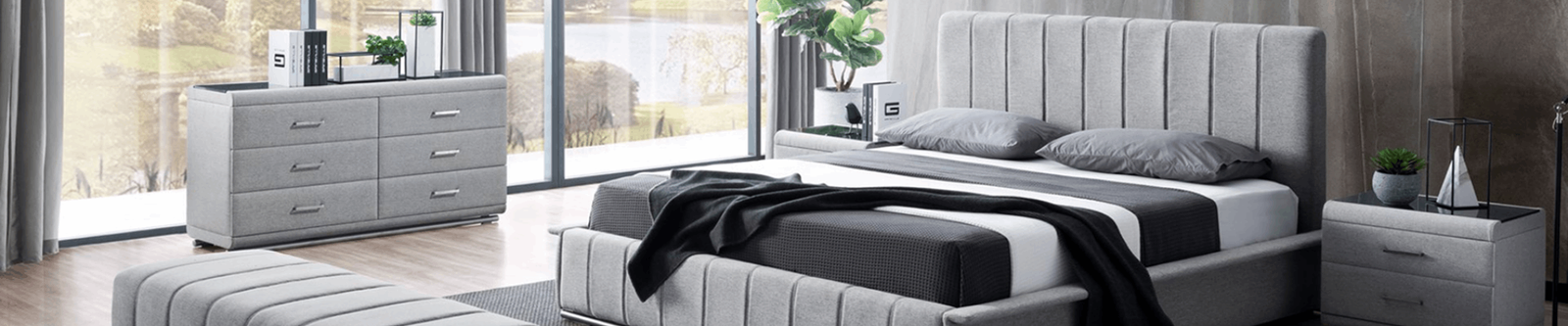

As the world moves deeper into 2026, furniture exporters face a dynamic market shaped by evolving consumer tastes, tighter sustainability regulations, and rapid advances in logistics technology. For international importers seeking reliable partners, understanding these macro‑level shifts is essential to secure high‑quality, cost‑effective inventory that meets both design and compliance standards. This guide breaks down the most critical trends and offers actionable strategies for leveraging a reputable furniture manufacturer in China like Victor Furniture to stay ahead of the competition.
1. Global Demand Shifts: What Importers Need to Know
1.1 Rise of Multifunctional Home Furniture
Post‑pandemic lifestyles have cemented the demand for pieces that combine style with utility. Urban dwellers in Europe and North America are prioritizing compact storage solutions, while Asian markets are gravitating toward versatile living‑room sets that double as office furniture. Products such as storage ottoman wholesale orders have surged by 38% year‑over‑year, reflecting a consumer appetite for hidden storage and modularity.
1.2 Sustainability as a Buying Criterion
Eco‑conscious purchasing is no longer niche. Certifications like FSC, GREENGUARD, and the emerging Carbon‑Neutral Production Standard are now prerequisites for many B2B contracts. Importers must demand transparent supply‑chain data, from raw material sourcing to end‑of‑life recyclability. Partnering with manufacturers who embed circular‑economy principles—such as using reclaimed wood, low‑VOC finishes, and recyclable packaging—can differentiate a buyer’s catalog in saturated markets.
1.3 Regional Aesthetic Preferences
While Scandinavian minimalism continues to dominate Western interiors, the Middle East and Africa show a growing preference for bold textures, rich wood tones, and handcrafted detailing. Understanding these nuances enables importers to curate collections that resonate locally without compromising global brand consistency.
2. Supply Chain Innovations and Quality Assurance
2.1 Digital Twin Production Planning
Advanced manufacturers now employ digital twins—virtual replicas of factories—to simulate production schedules, optimize material flow, and predict bottlenecks before they occur. This technology reduces lead times by up to 22% and provides real‑time visibility for overseas partners. When you source from a forward‑thinking factory, you gain access to live dashboards that track each SKU from raw material arrival to container loading.
2.2 Automated Quality Control (AQC)
Traditional manual inspections are being supplemented with AI‑driven vision systems capable of detecting surface defects, dimensional variances, and color inconsistencies at a millimeter level. These AQC platforms generate automated reports that can be shared instantly with importers, ensuring compliance with both ISO 9001 and destination‑specific regulations such as the EU’s REACH standards.
2.3 Sustainable Logistics Solutions
Carbon‑offset shipping, consolidation hubs in strategic ports (e.g., Shanghai, Ningbo, and Shenzhen), and the adoption of 100% recyclable or biodegradable container liners are reshaping maritime freight. Importers looking to lower their carbon footprint should request CO₂‑budget statements from their partners and consider using intermodal solutions that combine rail and sea transport where possible.
3. Strategic Partnerships & Branding for Competitive Edge
3.1 Co‑Development of Private‑Label Collections
Creating exclusive product lines with a furniture manufacturer in China can dramatically boost margin potential. By collaborating on design, material selection, and finishing processes, importers gain ownership of the intellectual property and can position the collection as a market‑first. Victor Furniture’s in‑house design studio has successfully launched over 45 private‑label collections in the past three years, ranging from minimalist Scandinavian sofas to ornate Asian-inspired entryway pieces.
3.2 Leveraging the “Custom Entryway Bench” Niche
Entryways are high‑traffic zones and a perfect canvas for branding. A custom entryway bench can be tailored with embossed logos, specific upholstery colors, or integrated storage solutions that align with a retailer’s brand story. Importers that offer these bespoke options often see a 12‑15% increase in average order value, as end‑consumers are willing to pay a premium for personalization.
3.3 Data‑Driven Market Intelligence
Utilizing market‑sense platforms that aggregate sales data, search trends, and social sentiment allows importers to anticipate demand spikes before competitors. Pair this insight with rapid prototyping capabilities from your Chinese partner to launch limited‑edition pieces within 8‑12 weeks—a timeline that was previously impossible with traditional tooling.
Conclusion
2026 presents a compelling mix of opportunities and challenges for furniture importers. By aligning with a forward‑looking furniture manufacturer in China that embraces sustainability, digital production, and collaborative product development, you can future‑proof your supply chain, meet stringent quality standards, and deliver collections that resonate with diverse global audiences. Whether you’re seeking storage ottoman wholesale solutions, a custom entryway bench, or a full‑scale private‑label partnership, Victor Furniture offers the expertise and infrastructure to turn these trends into tangible growth. Contact us today to start building the next generation of wholesale furniture that will define interiors in 2026 and beyond.