
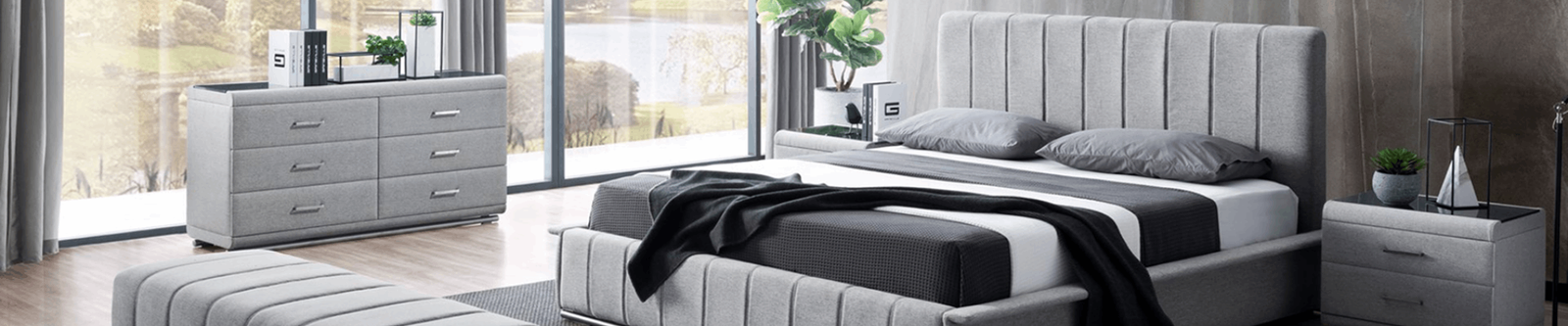

As the global furniture market continues to evolve, importers are seeking reliable partners who can deliver quality, innovation, and competitive pricing. 2026 marks a pivotal year for wholesale furniture exports, with new material technologies, sustainability mandates, and shifting consumer preferences reshaping the supply chain. This comprehensive guide outlines the key trends, practical sourcing strategies, and why aligning with a seasoned furniture manufacturer in China like Fuzhou Victor Furniture can give your business a decisive advantage.
1. Emerging Trends Shaping Wholesale Furniture in 2026
Understanding market dynamics is essential for making informed purchasing decisions. Below are the three most impactful trends that will dominate the wholesale arena this year.
1.1 Sustainable Materials and Circular Design
Environmental responsibility is no longer optional. Buyers are demanding furniture made from recycled or responsibly sourced materials, and many governments are enacting stricter regulations on carbon footprints. Manufacturers are responding with:
- Recycled wood composites that retain the aesthetic of natural timber.
- Bio‑based polymers for upholstery that reduce reliance on petroleum.
- Designs that facilitate disassembly and repurposing at the end of a product’s life.
Investing in these eco‑friendly lines not only meets compliance requirements but also resonates with consumers who prioritize green living.
1.2 Smart Furniture Integration
IoT (Internet of Things) technologies are increasingly embedded in everyday furniture. From charging stations built into bed frames to Bluetooth‑enabled seating that tracks posture, smart features are becoming a differentiator in the wholesale market. Importers should consider:
- Modular designs that allow easy upgrades as technology evolves.
- Warranty and service support for electronic components.
- Data privacy compliance for any connected devices.
Partnering with manufacturers that have an established R&D pipeline will ensure you receive cutting‑edge products without excessive lead times.
1.3 Multi‑Functional & Space‑Saving Solutions
Urbanization continues to shrink living spaces, fueling demand for furniture that maximizes utility without sacrificing style. Items such as wall‑mounted desks, fold‑away beds, and convertible dining tables are experiencing a surge in orders. Importers can capitalize on this trend by sourcing:
- Compact storage solutions, like storage ottoman wholesale units that double as seating and hidden compartments.
- Customizable modular sofas that adapt to different room configurations.
- Entryway pieces that combine seating, storage, and decorative elements.
These products cater to both residential and hospitality markets, expanding your potential client base.
2. Strategic Sourcing: How to Choose the Right Chinese Partner
China remains the world’s largest furniture exporter, but not all factories deliver the same level of quality, transparency, or scalability. Here are five criteria to evaluate when selecting a partner for your wholesale needs.
2.1 Production Capacity & Lead‑Time Flexibility
Large, diversified manufacturers can adjust output to match seasonal spikes or sudden market opportunities. Ask prospective partners about:
- Annual production volume limits.
- Average lead times for standard vs. custom orders.
- Buffer inventory strategies that mitigate supply chain disruptions.
A robust capacity ensures you can meet retailer commitments without compromising on delivery dates.
2.2 Quality Management Systems (QMS)
International buyers expect ISO 9001 certification, CE marking, and compliance with ASTM or EN standards, depending on target markets. Verify that the factory:
- Conducts in‑house testing for material durability, fire resistance, and load‑bearing capacity.
- Provides detailed inspection reports and third‑party audit results.
- Maintains a track record of low defect rates (ideally < 0.5%).
A rigorous QMS minimizes returns and protects brand reputation.
2.3 Customization Capabilities
Importers often require private‑label designs, unique finishes, or specific hardware. Evaluate whether the manufacturer can:
- Develop 3D renderings and prototypes quickly.
- Source a wide palette of veneers, fabrics, and hardware.
- Scale custom orders from sample runs to full production runs.
Victor Furniture, for instance, offers a dedicated custom entryway bench service that allows clients to select dimensions, upholstery, and branding details, making it easier to differentiate your product line.
2.4 Ethical & Sustainable Practices
Beyond material sustainability, importers must consider labor standards, waste management, and carbon emissions. Look for partners that disclose:
- Third‑party certifications such as FSC for wood sourcing.
- Compliance with the China Labour Law and any relevant international accords.
- Energy‑efficiency initiatives, like solar‑powered factories.
These disclosures build trust with end‑customers and can be leveraged in marketing narratives.
2.5 Transparent Pricing & Communication
Clear quotations, defined payment terms, and responsive communication channels are essential. Effective partners provide:
- Itemized cost breakdowns (raw material, labor, tooling, logistics).
- Real‑time order tracking dashboards.
- Dedicated account managers fluent in English and familiar with global trade regulations.
With Victor Furniture, you’ll receive a single point of contact who can answer technical queries, coordinate inspections, and handle customs documentation.
3. Maximizing Value: Logistics, Compliance, and After‑Sales Support
Even the best‑manufactured furniture can lose value if logistical and regulatory aspects are mishandled. Below are best‑practice recommendations for a seamless end‑to‑end process.
3.1 Optimized Shipping Strategies
Freight costs represent a significant portion of total landed cost. To reduce expenses:
- Consolidate shipments using shared containers whenever possible.
- Partner with carriers experienced in handling oversized or delicate furniture.
- Utilize CIP (Carriage and Insurance Paid to) or DDP (Delivered Duty Paid) terms to simplify risk management.
Victor Furniture’s logistics team can arrange container loading plans that maximize cubic space while protecting high‑value items such as upholstered benches.
3.2 Navigating Trade Regulations
Import duties, anti‑dumping duties, and product safety certifications vary by region. Stay compliant by:
- Securing HS codes for each product category and monitoring tariff changes.
- Ensuring all wood products have Phytosanitary certificates and meet ISPM 15 standards.
- Maintaining up‑to‑date safety testing reports for furniture intended for schools, hospitals, or public spaces.
A knowledgeable manufacturer will provide these documents as part of the export package.
3.3 After‑Sales Service and Warranty Management
Long‑term relationships depend on how issues are addressed after delivery. Consider these support mechanisms:
- Standard warranty periods (typically 12–24 months) with clear claim procedures.
- Replacement parts inventory to expedite repairs for high‑volume items like storage ottoman wholesale models.
- Technical manuals and assembly guides in multiple languages.
Victor Furniture offers a multilingual support portal where importers can submit warranty claims, request spare parts, and download product specifications—all designed to keep your end‑customers satisfied.
Conclusion
The 2026 wholesale furniture landscape demands a strategic blend of sustainability, technology, and flexibility. By aligning with a reputable furniture manufacturer in China that excels in production capacity, quality assurance, and customization—such as Fuzhou Victor Furniture—you can position your brand at the forefront of these trends.
Leverage the insights shared in this guide to refine your sourcing criteria, streamline logistics, and deliver products that meet the evolving expectations of global consumers. Ready to elevate your portfolio? Contact Victor Furniture today and discover how our expertise can turn market opportunities into lasting profit.