
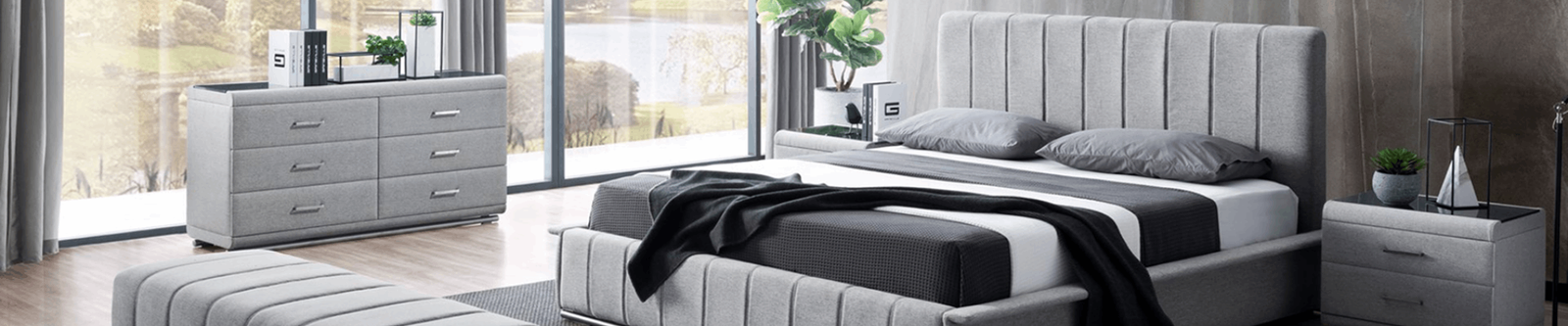

2026 Wholesale Furniture Export Guide: Sourcing Quality Pieces from China
For global furniture importers, the Chinese market remains a cornerstone of the supply chain, offering unparalleled production capacity, cost efficiency, and design flexibility. As we move deeper into 2026, understanding the nuances of wholesale sourcing, compliance, and logistics is essential for maintaining a competitive edge. This guide walks you through the critical steps—from selecting a reliable furniture manufacturer in China to negotiating terms, customizing products, and ensuring seamless delivery to your end customers.
1. Evaluating the Right Chinese Manufacturer for Wholesale Partnerships
Choosing the right partner sets the foundation for every successful import operation. While many factories claim the title of “manufacturer,” only a few can truly deliver the consistency, quality, and scalability required by large‑scale wholesalers.
1.1. Proven Track Record and Certifications
Look for manufacturers that hold internationally recognized certifications such as ISO 9001, FSC, and BIFMA. These certifications demonstrate a commitment to quality management, sustainable sourcing, and safety standards that align with Western market expectations.
1.2. Production Capacity and Lead‑Time Flexibility
In 2026, speed to market is a decisive factor. Ask prospective partners about their daily output, ability to handle peak seasons, and their contingency plans for raw material shortages. A factory that can shift from a 30‑day to a 15‑day lead time when you need to replenish inventory can be a game‑changer.
1.3. Transparent Communication Channels
Effective communication is non‑negotiable. Manufacturers that provide a dedicated account manager, real‑time production tracking, and multilingual support reduce misunderstandings and accelerate decision‑making. Platforms such as Alibaba Trade Assurance, but with direct factory contacts, can also help you monitor order status.
When you partner with a reputable source like Victor Furniture, you gain access to a vertically integrated ecosystem that includes raw material sourcing, design R&D, and finished‑goods logistics—all under one roof.
2. Tailoring Products to Meet Global Market Demands
One of the strongest advantages of Chinese manufacturing is the ability to customize at scale. Whether you need a classic Scandinavian look or an avant‑garde piece for a boutique hotel, the right factory can translate design concepts into production‑ready specifications.
2.1. Custom Design Services
Victor Furniture offers in‑house design teams that can prototype and refine your ideas, reducing the time from concept to sample. For instance, a storage ottoman wholesale line can be customized with different fabrics, finishes, and hidden compartments to suit regional preferences.
2.2. Material Selection and Sustainability
Today’s consumers demand eco‑friendly options. Ask your manufacturer about certified solid woods, low‑VOC finishes, and recycled metal frames. Sustainable sourcing not only fulfills regulatory requirements but also enhances brand perception.
2.3. Branding and Private‑Label Opportunities
Private‑labeling allows you to attach your brand identity directly to the product. Ensure the factory can emboss logos, attach custom tags, and include packaging that reflects your brand story. Consistency across all touchpoints—from the product itself to the shipping cartons—strengthens brand loyalty.
3. Managing Logistics, Compliance, and Risk in 2026
Even with the perfect product, a flawed logistics strategy can erode margins and damage customer relationships. Below are the key considerations for a smooth supply chain.
3.1. Incoterms and Shipping Strategies
Choosing the appropriate Incoterm (e.g., FOB, CIF, DDP) defines who bears the transportation costs, insurance, and customs duties. For large orders, many importers prefer FOB (Free on Board) to retain control over freight forwarders and negotiate better rates.
3.2. Customs Compliance and Documentation
Accurate HS codes, commercial invoices, packing lists, and certificates of origin are essential to avoid delays. Work closely with a customs broker who understands the nuances of furniture classification in target markets such as the United States, EU, and Australia.
3.3. Risk Mitigation and Quality Assurance
Implement a three‑stage inspection regime: pre‑production sample approval, mid‑production line check, and final pre‑shipment audit. Third‑party inspection agencies can provide unbiased reports, but many manufacturers, including Victor Furniture, offer in‑house QA teams that can perform these checks at a competitive price.
3.4. Warehouse and Distribution Solutions
Strategically locating warehouses near major ports or consumer hubs reduces last‑mile costs. Consider a bonded warehouse for duty‑deferral if you plan to distribute across multiple countries from a single hub.
Case Study: From Concept to Market with a Custom Entryway Bench
To illustrate the process, let’s walk through a typical project—creating a custom entryway bench for a chain of boutique hotels in Europe.
- Design Brief: The client wanted a sleek, minimalist bench made from reclaimed oak, with hidden storage for umbrellas.
- Prototype Development: Victor’s design team produced a 3D rendering and a rapid‑prototype sample within two weeks.
- Material Sourcing: Certified reclaimed oak was sourced locally, ensuring low carbon footprint and compliance with EU sustainability standards.
- Production: The factory allocated a dedicated production line, delivering 5,000 units in a 45‑day window.
- Quality Inspection: A third‑party Q&A agency conducted a final inspection, confirming all dimensions and finish tolerances were within ±2 mm.
- Logistics: Using FOB Shanghai, the client arranged a Consolidated Shipping service to the Port of Rotterdam, where a bonded warehouse facilitated distribution to individual hotel locations.
- Result: The project launched on schedule, with a 15 % cost saving compared to European manufacturers, and the client reported a 30 % increase in guest satisfaction related to the new entryway experience.
This case highlights how a reliable partner, robust customization capabilities, and strategic logistics can deliver high‑value furniture at scale.
Conclusion: Positioning Your Business for Success in 2026
Wholesale furniture importers who prioritize partnership quality, product customization, and meticulous logistics will thrive in the increasingly competitive 2026 landscape. By aligning with a proven furniture manufacturer in China, leveraging custom design services such as storage ottoman wholesale and custom entryway bench, and implementing rigorous supply‑chain controls, you can secure reliable product flow, maintain cost leadership, and meet the evolving expectations of global consumers.
Ready to elevate your wholesale portfolio? Get in touch with Victor Furniture today and start turning design concepts into market‑ready solutions.