
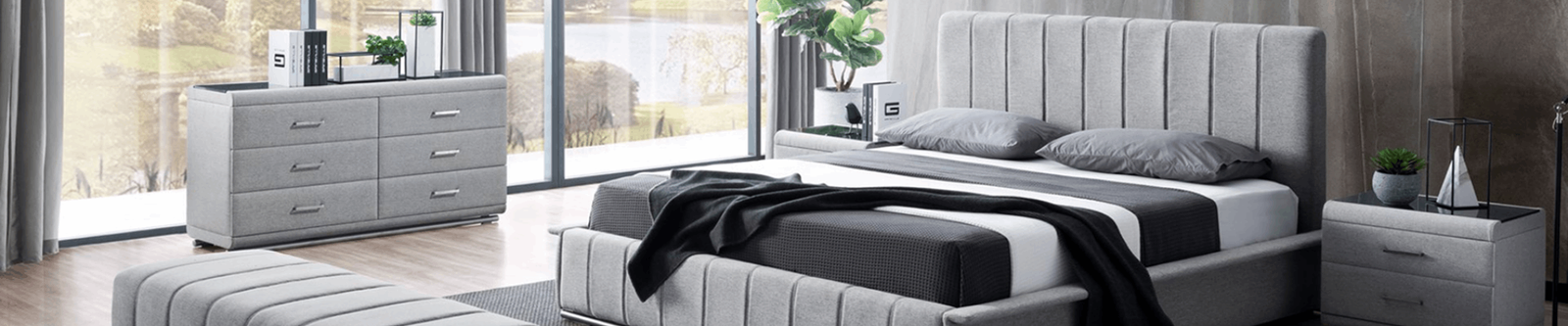

2026 Wholesale Furniture Export Guide: Partner with a Leading Furniture Manufacturer in China
For global importers, the furniture market in 2026 presents a blend of rapid design evolution, sustainability demands, and logistical complexity. Navigating these currents requires a reliable partner who can deliver high‑quality, cost‑effective pieces while respecting tight lead times and compliance standards. This guide outlines the key trends shaping wholesale furniture export this year and shows how you can leverage a proven Chinese supplier to stay ahead of the competition.
1. Market Trends Shaping Wholesale Furniture in 2026
Understanding where the market is headed helps you make strategic buying decisions. Below are the three most influential trends for importers seeking competitive advantage.
1.1 Sustainable Materials & Circular Design
Eco‑conscious consumers now expect transparency around raw material sourcing, carbon footprints, and end‑of‑life recyclability. Manufacturers that offer furniture made from FSC‑certified wood, recycled metal, or bio‑based composites are gaining premium shelf space. When you source from a partner that publishes material passports, you can market the sustainability story directly to retailers and end‑users.
1.2 Multifunctional & Space‑Saving Solutions
Urban living spaces continue to shrink, driving demand for pieces that serve multiple purposes. Think of a coffee table that converts into a dining desk, or an storage ottoman wholesale option that doubles as seating and hidden storage. Importers who stock versatile items see faster inventory turnover and higher average order values.
1.3 Digital‑First Procurement & Real‑Time Visibility
Buyers now expect to track orders through cloud‑based platforms, receive 3‑D product visualizations, and place custom orders with a few clicks. Suppliers that integrate ERP, PLM, and IoT technology can provide live shipment updates, reducing the risk of stock‑outs and easing customs clearance processes.
2. Why Partner with a Chinese Furniture Manufacturer in 2026?
China remains the world’s largest furniture exporter, but the landscape has matured. Modern factories combine traditional craftsmanship with advanced automation, delivering both bespoke design and large‑scale volume.
2.1 Production Flexibility – From Mass‑Market to Custom
Whether you need a run of 10,000 identical patio chairs or a limited edition custom entryway bench for a boutique hotel, a capable Chinese manufacturer can switch between high‑volume stamping lines and hand‑finished workshops without compromising quality. This flexibility allows you to respond swiftly to seasonal trends or niche market requests.
2.2 Cost Competitiveness Without Quality Trade‑offs
Strategic sourcing in regions with lower labor costs, combined with high automation, keeps unit prices attractive. At the same time, rigorous QC protocols—ISO 9001, BSCI, and product‑specific certifications (e.g., EN‑71 for children’s furniture)—ensure that every shipment meets international safety and durability standards.
2.3 Streamlined Logistics & Trade Support
Leading factories have established relationships with major ports such as Shanghai, Ningbo, and Xiamen, and they often offer consolidated shipping, FOB, CIF, or DDP options. Moreover, they employ dedicated export specialists who handle documentation, HS code classification, and compliance checks for markets ranging from the EU to North America.
3. Building a Successful Wholesale Partnership: Best Practices
Choosing the right supplier is only the first step. Below are actionable tactics to turn a supplier relationship into a growth engine for your import business.
3.1 Conduct a Structured Supplier Audit
- Factory Tour (Virtual or In‑Person): Verify production capacity, quality control labs, and worker safety measures.
- Sample Evaluation: Request pre‑production samples that match your final spec sheets, including finishes, hardware, and packaging.
- Compliance Check: Confirm that the supplier holds relevant certifications (e.g., CE, CARB, Greenguard) and can provide test reports on demand.
3.2 Define Clear Communication Protocols
Establish a single point of contact for design, production, and logistics. Use shared project management tools (e.g., Asana, Trello) to track revisions, approvals, and milestone dates. Regular video conferences help bridge cultural and timezone gaps, ensuring that both parties stay aligned.
3.3 Leverage Private‑Label & Branding Opportunities
Many importers differentiate themselves with private‑label collections. Work with the manufacturer’s design team to incorporate your brand’s logo, color palette, and packaging style. This not only adds perceived value but also strengthens brand loyalty among retailers.
3.4 Optimize Inventory Management
Implement a just‑in‑time (JIT) strategy supported by the supplier’s ability to produce on demand. Use demand‑forecasting software to predict peak seasons (e.g., back‑to‑school, holiday) and plan container bookings accordingly. The goal is to minimize warehousing costs while avoiding stock‑outs.
3.5 Foster Long‑Term Innovation Collaboration
Invite the manufacturer to co‑develop new product lines based on emerging trends—such as smart furniture with built‑in charging ports or biodegradable upholstery. Joint R&D initiatives usually come with cost‑sharing benefits and faster time‑to‑market.
Conclusion: Position Your Business for Growth in 2026
Wholesale furniture importers who embrace sustainability, multifunctionality, and digital procurement will thrive in the evolving 2026 market. By partnering with a reputable furniture manufacturer in China, you gain access to a flexible production ecosystem, competitive pricing, and logistics expertise that can turn these trends into tangible sales.
Ready to elevate your product portfolio? Explore our catalog, request a sample, or schedule a virtual factory tour today. Let’s create the next wave of best‑selling furniture together.