
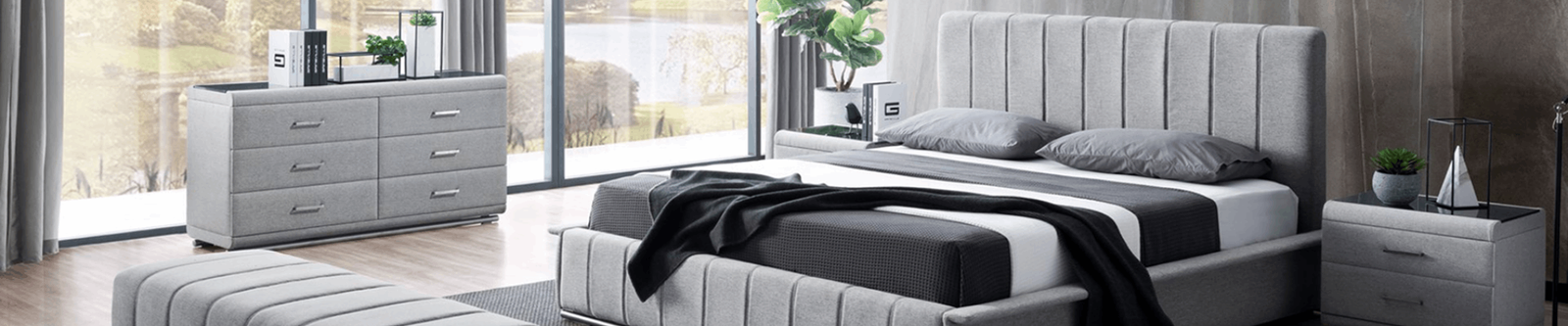

2026 Wholesale Furniture Trends: A Guide for Global Importers
As the world emerges from a decade of rapid digital transformation, the furniture export industry is entering a new era of demand for sustainability, multifunctionality, and tech‑enabled design. For importers seeking reliable partners, understanding these trends early can translate into a competitive edge and higher margins. This comprehensive guide outlines the macro forces shaping the market, identifies the product categories poised for growth, and provides actionable steps for selecting the right furniture manufacturer in China for your 2026 sourcing strategy.
1. Market Overview – Why 2026 Is a Pivotal Year
Global trade data from the International Trade Centre (ITC) shows a steady 4.2% annual increase in furniture imports between 2021‑2025. Several interlocking factors drive this momentum:
1.1 Demand Drivers
- Urbanization: More than 68% of the world’s population now lives in cities, creating a premium on space‑saving designs.
- Remote Work: Home offices remain a lasting fixture, boosting demand for ergonomic desks, storage solutions, and adaptable seating.
- Eco‑Consciousness: Retailers and end‑users alike seek furniture made from renewable or recycled materials, often verified by third‑party certifications.
1.2 Regional Growth Hotspots
While North America and Europe continue to dominate import volumes, two emerging markets are reshaping the landscape:
- South‑East Asia: Rising disposable income in Vietnam, the Philippines and Indonesia fuels demand for both mid‑range and premium furniture.
- Middle East & North Africa (MENA): Massive infrastructure projects and luxury hospitality developments are driving high‑value, custom furniture orders.
Importers who align their product portfolios with these regional nuances will be better positioned to capture market share.
2. Product Categories Poised for Wholesale Growth
Not all furniture categories will benefit equally from the 2026 surge. The following segments are expected to outpace the overall market growth rate:
2.1 Multifunctional Living Pieces
Space‑constrained households are turning to items that serve multiple purposes. Examples include sofa‑beds with built‑in storage, extendable dining tables, and modular shelving that doubles as room dividers. Including a storage ottoman wholesale line in your catalog can satisfy the need for discreet storage while adding a stylish accent.
2.2 Eco‑Friendly Materials
Materials such as bamboo, reclaimed wood, and recycled PET plastics are gaining traction. Buyers often request full traceability, so partnering with a manufacturer that maintains transparent supply chains is crucial. Victor Furniture’s commitment to FSC‑certified wood and low‑VOC finishes positions it as a reliable source for green inventory.
2.3 Smart Integrated Furniture
Technology integration—charging ports, Bluetooth speakers, and IoT‑enabled lighting—adds perceived value. Importers can differentiate their offerings by sourcing smart coffee tables, adjustable standing desks, and custom entryway bench solutions equipped with concealed charging stations.
2.4 Luxury Customizable Pieces
High‑end retailers in Europe and the Middle East often request bespoke finishes, hand‑carved details, and exclusive upholstery fabrics. Offering a “design‑your‑own” service through a flexible OEM partner can unlock premium pricing tiers.
3. Choosing the Right Supplier in China – A Tactical Checklist
China remains the world’s largest furniture exporter, but not all factories are created equal. Below is a practical checklist that importers can use when evaluating potential partners.
3.1 Quality Assurance & Certifications
Look for manufacturers that hold ISO 9001, BSCI, and relevant environmental certifications (e.g., GREENGUARD, FSC). Victor Furniture maintains an ISO‑9001‑compliant quality management system and undergoes quarterly third‑party audits, ensuring consistent product standards across all categories.
3.2 Customization Capabilities
From material selection to dimensional tweaks, the ability to produce custom entryway bench designs on short lead times is a differentiator. Verify prototype turnaround time, minimum order quantities (MOQs), and whether the factory offers CAD‑to‑prototype services.
3.3 Logistics & Compliance Expertise
Efficient container loading, accurate HS‑code classification, and familiarity with destination‑country regulations (e.g., California Proposition 65, EU REACH) reduce customs delays. Victor Furniture’s in‑house compliance team handles all documentation, from phytosanitary certificates to fire‑safety testing.
3.4 Transparent Pricing Structure
Request a detailed cost breakdown covering raw materials, labor, tooling, and freight. Look for suppliers who provide a clear escalation clause for raw‑material price fluctuations—this protects you from unexpected cost spikes.
3.5 After‑Sales Support
Warranty handling, replacement parts, and on‑site installation assistance enhance retailer confidence. A reputable partner will have a dedicated account manager to coordinate post‑sale service.
By applying the above criteria, importers can mitigate risk and build long‑term, mutually beneficial relationships.
Conclusion – Position Your Portfolio for 2026 Success
2026 presents a confluence of market forces—urban living, sustainability, and digital integration—that will reshape the wholesale furniture landscape. Importers who act now, by sourcing high‑growth product categories such as storage ottoman wholesale items, embracing eco‑friendly materials, and partnering with a proven furniture manufacturer in China, will secure a decisive advantage.
Fuzhou Victor Furniture offers the manufacturing expertise, quality certifications, and flexible customization needed to meet the evolving demands of global retailers. Contact Victor Furniture today to discuss how we can help you expand your 2026 product lineup, reduce lead times, and achieve your growth targets.