
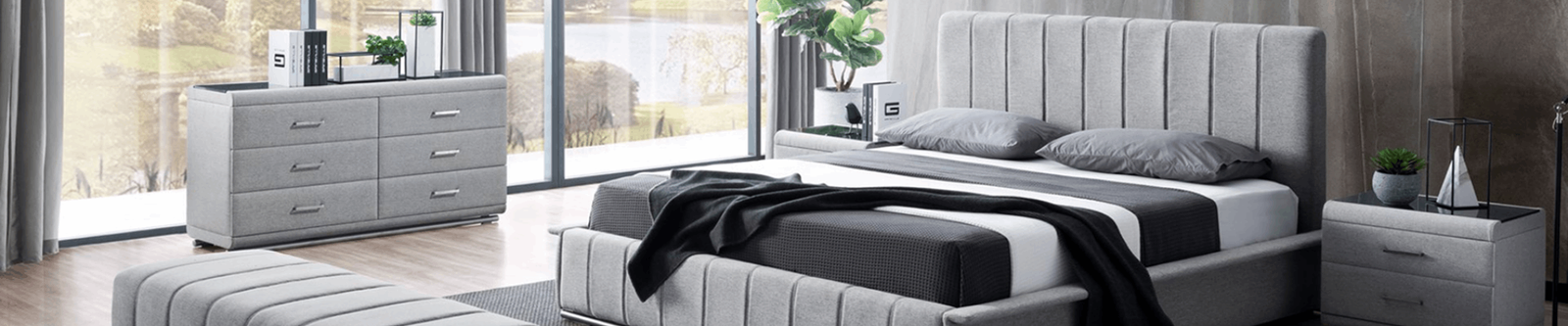

2026 Wholesale Furniture Export Trends: A Strategic Guide for Global Importers
As the world moves further into a hyper‑connected, design‑driven era, the furniture export market is evolving faster than ever. For importers seeking reliable partners, competitive pricing, and cutting‑edge product lines, understanding the forces shaping 2026 is no longer optional—it’s a business imperative. In this comprehensive overview, we break down the macro‑economic drivers, product‑innovation trends, and supply‑chain best practices that will define the next wave of furniture wholesale opportunities. Whether you are a seasoned buyer or a newcomer to the industry, the insights below will help you navigate the complexities of sourcing from China and position your portfolio for sustained growth.
1. Global Market Dynamics Shaping 2026
The furniture sector is being reshaped by three converging macro‑trends: a surge in sustainable consumer demand, a rapid shift toward e‑commerce fulfillment, and the geopolitical recalibration of trade routes. Below we explore each factor and its implication for wholesale sourcing.
1.1 Sustainable Materials Become the Baseline Expectation
Environmental stewardship is no longer a niche selling point; it is now a baseline requirement for major retailers across North America, Europe, and the Middle East. Importers are increasingly asked to provide:
- FSC‑certified wood or reclaimed timber
- Low‑VOC finishes and water‑based adhesives
- Transparent carbon‑footprint reporting for each product line
Chinese manufacturers that have invested early in green certification—such as furniture manufacturers in China with ISO 14001 and FSC credentials—are already enjoying priority placement on global procurement shortlists.
1.2 E‑Commerce Fuels Demand for Compact, Multi‑Functional Pieces
Online shoppers prioritize easy‑ship dimensions, lightweight packaging, and versatile design. This has led to a surge in demand for items such as:
- Modular sofas that can be broken into flat‑pack components
- Space‑saving storage solutions, including storage ottoman wholesale options that double as seating and hidden storage
- Fold‑away entryway furniture—think custom entryway bench models that combine coat hooks, shoe racks, and seating in a single footprint
By aligning product development with these e‑commerce requirements, importers can reduce freight costs and increase sell‑through rates on high‑traffic digital marketplaces.
1.3 Trade Realignment and the Rise of Regional Hubs
Recent tariff adjustments and the push for supply‑chain resilience have encouraged buyers to diversify sourcing hubs. While Shenzhen remains a manufacturing powerhouse, cities such as Fuzhou are emerging as strategic nodes for furniture export thanks to:
- Proximity to deep‑water ports with sub‑$1,200/TEU shipping rates to the U.S. East Coast
- A well‑established ecosystem of skilled artisans specializing in upholstered and wood‑frame pieces
- Government incentives for companies that meet export‑quality standards
Partnering with a forward‑thinking company in Fuzhou—like Victor Furniture—allows importers to leverage these logistical advantages while maintaining strict quality controls.
2. Product Innovation & Customization: Winning the Design Race
Design‑centric consumers are willing to pay a premium for furniture that reflects personal style, cultural relevance, and functional intelligence. Wholesale importers can capture this value by focusing on two key capabilities: rapid customization and product‑line diversification.
2.1 Rapid Customization Through Digital Sampling
Advanced 3D rendering and virtual reality (VR) tools now enable buyers to request and approve custom finishes within 48 hours. Leading manufacturers in China have integrated these tools into their order‑to‑production workflows, offering:
- Live colour‑matching against Pantone libraries
- Interactive upholstery swatch selection with real‑time texture simulation
- Instant cost calculators that factor material, labor, and packaging variables
This speed-to-market advantage translates into fewer margin‑eroding revisions and a tighter alignment between design intent and final product.
2.2 Diversified Product Portfolios for Niche Markets
While classic Scandinavian aesthetics remain popular, regional tastes—such as the ornamental woodwork favored in the Gulf Cooperation Council (GCC) or the sleek minimalism preferred in Japan—are increasingly influencing order books. A robust wholesale partner should be able to provide:
- Hand‑carved accent pieces for luxury hotel chains
- High‑density foam seating for ergonomic office environments
- Outdoor collections that meet EN‑71‑3 sun‑fade and salt‑corrosion standards
By tapping into a manufacturer that offers both scale and flexibility—exemplified by Victor Furniture’s broad custom product catalog—importers can tailor their offerings to any market segment without sacrificing economies of scale.
2.3 Value‑Added Services: From Kitting to Private‑Label Branding
Beyond raw production, many global importers demand turnkey solutions: kitting of mixed‑material sets (e.g., a bedroom suite that includes a headboard, nightstand, and storage ottoman), private‑label packaging, and compliance documentation for every destination market. Manufacturers that embed these services in their standard operating procedures reduce lead times by up to 30 % and eliminate the need for third‑party assembly houses.
3. Supply‑Chain Efficiency & Compliance: The Backbone of Reliable Wholesale
Even the most attractive product line will falter without a dependable logistics framework and rigorous compliance regime. Below are the three pillars of a resilient furniture supply chain for 2026.
3.1 End‑to‑End Visibility Through Integrated ERP Systems
Today’s best‑in‑class suppliers operate cloud‑based ERP platforms that synchronize order intake, production scheduling, quality inspection, and freight forwarding. Benefits include:
- Real‑time order tracking visible to both supplier and importer dashboards
- Predictive analytics that flag potential bottlenecks before they impact delivery dates
- Automated generation of certificates of origin, material safety data sheets (MSDS), and test reports for each shipment
When you partner with a furniture manufacturer in China that leverages such technology, you gain a single source of truth for every transaction—a critical factor for large‑scale retailers with tight inventory windows.
3.2 Freight Optimization & Risk Mitigation
Shipping costs remain a dominant component of landed price. Importers should negotiate with manufacturers who:
- Offer consolidated container loading to maximize cubic utilization
- Maintain relationships with multiple carrier alliances (Maersk, MSC, CMA CGM) to flexibly route cargo around port congestions
- Provide cargo insurance options that cover damage, theft, and force‑majeure events
Victor Furniture’s strategic location near the Fuzhou Port enables direct loading of 40‑foot high‑cube containers, reducing handling steps and lowering the risk of damage to delicate upholstery pieces.
3.3 Regulatory Compliance & Certification Management
Importers must navigate an increasingly complex regulatory landscape: the United States’ CPSIA, Europe’s REACH, Australia’s ACCC standards, and the GCC’s SASO requirements each have unique testing protocols. A reliable supplier will:
- Maintain an in‑house lab accredited for fire‑retardancy (e.g., NFPA 255) and chemical safety testing
- Provide pre‑tested sample kits for new styles before full‑scale production
- Offer a compliance dashboard where importers can download up‑to‑date certificates on demand
Working with a partner that already holds these certifications accelerates market entry and eliminates costly re‑testing cycles.
Conclusion: Positioning Your Business for Success in 2026
Wholesale furniture importers who embrace sustainable sourcing, leverage digital customization, and demand end‑to‑end supply‑chain transparency will thrive in the competitive 2026 landscape. By aligning with a forward‑looking Chinese partner—such as a seasoned furniture manufacturer in China—you gain access to:
- Eco‑certified material streams and transparent carbon reporting
- Rapid prototyping and private‑label capabilities for niche markets
- Optimized freight routes, integrated ERP visibility, and full regulatory compliance support
These advantages translate directly into lower landed costs, faster time‑to‑market, and stronger brand loyalty among end‑consumers. As the industry moves toward a more connected, sustainable, and design‑driven future, the strategic decisions you make today will define your profitability for years to come. Start the conversation with Victor Furniture now and secure your place at the forefront of wholesale furniture export in 2026.