
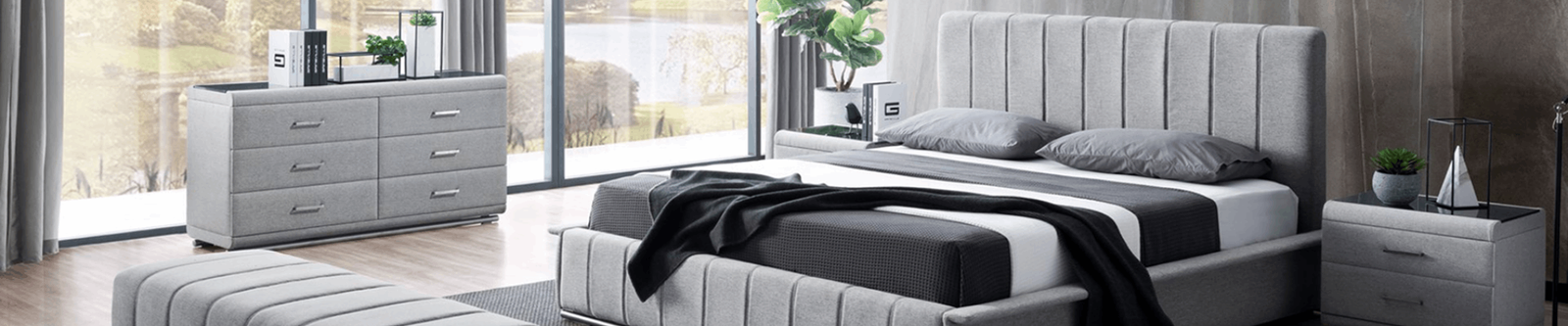

2026 Wholesale Furniture Export Trends: A Guide for Global Importers
As the world’s demand for stylish, functional, and sustainable furniture continues to surge, importers are looking for reliable partners who can deliver quality, speed, and flexibility. Fuzhou Victor Furniture has been at the forefront of China’s furniture export industry for over two decades, helping brands across Europe, North America, and the Middle East scale their product lines. This comprehensive guide outlines the most important wholesale trends for 2026, highlights how Chinese manufacturers can meet evolving market expectations, and provides actionable steps for importers to secure a competitive edge.
1. Sustainable Design Is No Longer an Option—It’s a Requirement
Environmental responsibility has graduated from a niche marketing angle to a core purchasing criterion. In 2026, buyers expect:
- Certified raw materials: FSC‑certified wood, recycled metal, and low‑VOC finishes.
- Transparent supply chains: Traceability from forest to final product.
- Circular‑economy solutions: Modular pieces that can be disassembled, repaired, or repurposed.
Chinese manufacturers, especially those with deep R&D investments, have responded with green factories, water‑based adhesives, and carbon‑footprint tracking tools. Working with a partner like Victor Furniture means you can request detailed storage ottoman wholesale options that meet international eco‑standards without sacrificing aesthetic appeal.
How to Verify Sustainability Claims
Importers should request the following documentation before placing large orders:
- Third‑party certifications (e.g., FSC, GREENGUARD, BIFMA Level ®).
- Material safety data sheets (MSDS) for all finishes and adhesives.
- Life‑cycle assessment (LCA) reports for high‑volume items such as sofas, dining tables, and storage solutions.
These documents can be uploaded directly to the manufacturer’s B2B portal for quick reference, ensuring a transparent review process.
2. Customization at Scale: From Entryway Benches to Modular Office Systems
Global retailers are shifting away from mass‑produced, one‑size‑fits‑all furniture. Customers want pieces that reflect local culture, space constraints, and personal style. The challenge for importers is to achieve this level of customization without inflating lead times or unit costs.
Victor Furniture’s advanced CNC machining, modular tooling, and flexible upholstery lines make it possible to offer a custom entryway bench that varies in dimensions, wood grain, and hardware finishes—all within the same production run. The key benefits include:
- Rapid prototyping: 3‑D rendering and virtual sampling cut design approval times by up to 40%.
- Mix‑and‑match components: A single frame can support multiple fabric or leather options, allowing importers to adjust color palettes per season.
- Economies of scope: Shared tooling across product families reduces per‑unit tooling amortization.
Best Practices for Managing Customized Orders
To keep customized projects on schedule, follow these steps:
- Standardize core modules—define a limited set of frame sizes and connection points.
- Implement a digital PLM system—share CAD files, material libraries, and revision histories with the supplier.
- Set clear quality checkpoints—sample the first 5% of production before full‑scale launch.
These processes reduce the risk of costly re‑work and ensure that the final product aligns with your brand’s visual language.
3. Speedy Logistics and the Rise of Near‑Shoring Hubs
Post‑pandemic supply chains have taught us that speed and resilience are equally important. While China remains the world’s largest furniture exporter, many importers are now looking to diversify port entry points and leverage near‑shoring hubs such as Vietnam, Bangladesh, and the Philippines for last‑mile distribution.
Victor Furniture has established strategic partnerships with major ports in Shanghai, Ningbo, and Xiamen, offering direct container loading (DCL) and pre‑clearance services. By consolidating shipments at a regional hub, importers can reduce transit times to Europe and North America from 45 days to under 30 days.
Key Logistics Strategies for 2026
Importers should consider the following tactics to stay ahead of the curve:
- Dual‑Port Strategy: Split orders between a primary Chinese port and a secondary hub in Southeast Asia to mitigate port congestion.
- Pre‑load Inspection: Use third‑party QA firms in China to certify product condition before loading, decreasing discrepancies at destination.
- Smart Container Tracking: Integrate IoT sensors that feed real‑time temperature, humidity, and location data into your supply‑chain dashboard.
These measures not only protect product integrity but also enhance predictability for retailers planning seasonal roll‑outs.
4. Leveraging Data‑Driven Market Insights
In an increasingly data‑centric marketplace, successful importers rely on analytics to decide which styles, materials, and price points will resonate. Chinese manufacturers now offer market‑intelligence dashboards that aggregate:
- Google Trends and social listening on furniture‑related keywords.
- Real‑time sales data from partner e‑commerce platforms.
- Competitive pricing benchmarks across major markets.
By partnering with a forward‑thinking furniture manufacturer in China that provides this data, you can adjust your product mix before a season begins, reducing markdown risk and improving margin.
Actionable Steps for Importers
- Request a quarterly market‑insight report from your supplier.
- Align product development cycles with identified trend peaks (e.g., Scandinavian minimalism peaks in Q3, while traditional wood finishes peak in Q1).
- Use the data to negotiate price tiers based on projected volumes.
5. Quality Assurance that Matches Global Standards
When sourcing from overseas, quality expectations must be crystal clear. Victor Furniture follows ISO 9001, ISO 14001, and BIFMA Level ® certifications, guaranteeing that every piece meets stringent durability, safety, and environmental criteria.
For high‑touch products such as upholstered sofas or upholstered benches, the company employs laser‑cut stitching integrity tests and fabric burn‑rate analysis to verify compliance with EU and US fire safety regulations.
Quality Control Workflow
A typical QC workflow includes:
- Incoming Raw Material Inspection: Verify wood moisture content, metal tensile strength, and fabric color fastness.
- In‑Process Audits: Random sampling at 25%, 50%, and 75% of the production run.
- Final Acceptance Test: Load‑bearing tests, surface finish inspection, and packaging verification.
- Third‑Party Lab Certification: Provide compliance certificates to the importer before shipment.
These systematic safeguards ensure that you receive consistent, high‑quality merchandise that satisfies end‑consumer expectations.
Conclusion: Positioning Your Brand for Success in 2026
Wholesale furniture export from China is entering a new era—one defined by sustainability, customization, rapid logistics, data‑driven decisions, and uncompromising quality. By aligning with a seasoned partner like Fuzhou Victor Furniture, you gain access to the manufacturing expertise, supply‑chain agility, and market insights needed to stay ahead of competitors.
Take the next step today: contact our sales team to discuss custom designs, sustainable material options, and streamlined logistics solutions tailored for your market. The 2026 wholesale landscape is ripe with opportunity—don’t let it pass you by.