
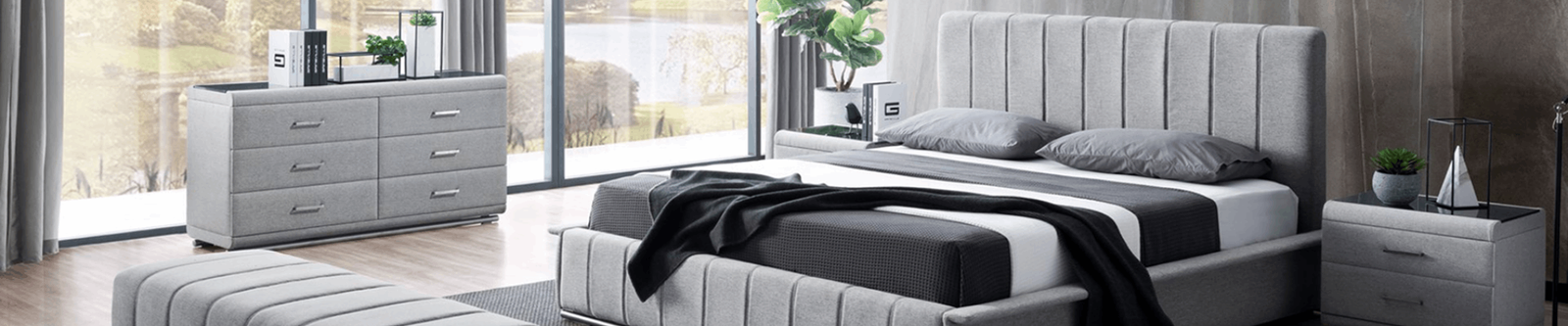

2026 Wholesale Furniture Export Trends: A Strategic Guide for Global Importers
As the global furniture market continues its rapid evolution, importers seeking reliable partners must stay ahead of emerging trends, compliance standards, and supply‑chain innovations. This guide delves into the key drivers shaping the wholesale furniture export landscape in 2026, offering actionable insights for businesses that demand quality, consistency, and competitive pricing.
1. Market Overview & Demand Drivers
International demand for furniture has surged in recent years, propelled by three core forces:
- Urbanization & Smaller Living Spaces: Millennials and Gen‑Z consumers are gravitating toward compact, multi‑functional furnishings that maximize space without sacrificing style.
- Eco‑Conscious Purchasing: Sustainability certifications (e.g., FSC, GREENGUARD) are no longer optional; they are decisive criteria for retailers worldwide.
- Digital‑First Shopping: E‑commerce platforms now account for over 30% of global furniture sales, demanding high‑resolution product imagery and detailed specifications.
For importers, these trends translate into a heightened need for storage ottoman wholesale options that blend functionality with aesthetic appeal, as well as bespoke pieces that can be tailored to niche market preferences.
China remains the world’s largest furniture exporter, contributing roughly 35% of global volume. Within China, Fuzhou stands out as a manufacturing hub renowned for its seasoned craftsmanship, efficient production facilities, and access to a diversified raw‑material base.
2. Sourcing Strategies & Quality Assurance
Choosing the right supplier is the cornerstone of a successful wholesale operation. Here are the critical components of an effective sourcing strategy:
2.1 Vetting and Partner Selection
A reputable furniture manufacturer in China offers transparent production capabilities, a robust portfolio, and verifiable compliance records. Look for certifications such as ISO 9001 (quality management) and ISO 14001 (environmental management). Conduct on‑site audits whenever possible, or leverage third‑party inspection services to validate factory standards.
2.2 Customization & Design Collaboration
Importers increasingly demand products that can be differentiated in crowded markets. Partnering with a manufacturer that provides a custom entryway bench service enables you to offer exclusive designs without the overhead of establishing an in‑house design team. Collaborative CAD platforms and rapid prototyping reduce lead times from concept to sample.
2.3 Quality Control Protocols
Implement a multi‑stage QC framework:
- Pre‑Production Inspection (PPI): Verify raw material quality, stitching, joinery, and finish specifications before bulk production begins.
- During‑Production Sampling (DPS): Conduct random checks at critical milestones (e.g., after frame assembly, before upholstery).
- Final Random Inspection (FRI): Perform a comprehensive assessment of at least 8% of the finished goods, focusing on dimensions, load‑bearing capacity, and finish consistency.
Document every checkpoint and share reports with your logistics team to pre‑empt customs holds or return disputes.
3. Logistics, Compliance, and Partnership Benefits
Efficient logistics and strict compliance are non‑negotiable for wholesale success. This section outlines best practices for navigating the complexities of international shipping.
3.1 Shipping Optimization
Leverage container‑load optimization software to maximize cubic utilization, especially for bulky items like sofas and bedroom sets. Consolidated shipments reduce per‑unit freight costs and lower carbon footprints, aligning with sustainability goals.
3.2 Trade Regulations & Tariff Management
Stay current with the latest HS codes, anti‑dumping duties, and free‑trade‑agreement (FTA) provisions. Employ a customs broker familiar with both Chinese export regulations and the import policies of destination countries to avoid costly delays.
3.3 Value‑Added Services from Your Manufacturer
Leading manufacturers such as Fuzhou Victor Furniture offer a suite of services that extend beyond production:
- Private‑Label Packaging: Custom branding that complies with retailer specifications.
- Drop‑Shipping Direct to Retail Outlets: Reduces inventory holding costs for importers.
- After‑Sales Support: Warranty handling and parts replacement backed by the manufacturer’s service network.
These capabilities empower importers to present a seamless end‑to‑end experience to their customers, reinforcing brand loyalty and repeat orders.
Conclusion: Positioning Your Business for 2026 Success
In 2026, the wholesale furniture export arena rewards those who blend market insight with operational excellence. By aligning with a proven furniture manufacturer in China, investing in rigorous quality control, and optimizing logistics, importers can secure a competitive edge that resonates with eco‑aware, design‑savvy consumers worldwide.
Ready to elevate your product portfolio with premium, customizable furniture solutions? Contact us today to explore partnership opportunities, request samples, and discuss how we can help you meet the evolving demands of your market.