
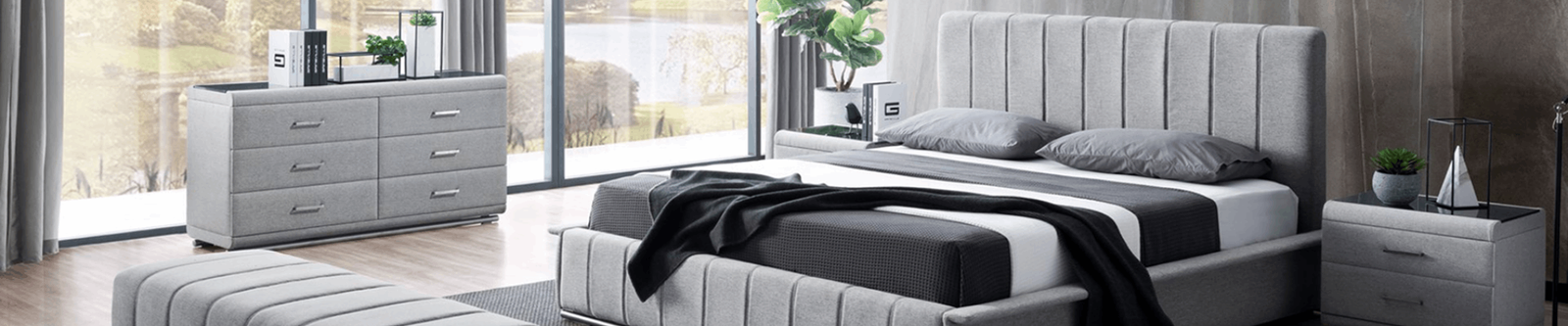

2026 Wholesale Furniture Trends: A Strategic Guide for Global Importers
As the world emerges from a period of rapid digital transformation and shifting consumer preferences, furniture importers must stay ahead of the curve. In 2026, the demand for high‑quality, adaptable, and sustainably produced pieces is rising faster than ever. This guide outlines the macro‑economic forces, product categories, and supply‑chain strategies that will define successful wholesale operations this year and beyond.
1. Global Market Dynamics Shaping Wholesale Furniture in 2026
Understanding the broader environment is essential for making informed purchasing decisions. Three key drivers are influencing the market today:
- Economic Realignment: Emerging economies in Southeast Asia and Africa are investing heavily in residential and commercial construction, creating new avenues for bulk orders.
- Consumer Lifestyle Shifts: Remote‑work, micro‑living, and the rise of multifunctional spaces are prompting buyers to look for pieces that combine style with storage and flexibility.
- Sustainability Mandates: Governments and retailers are tightening regulations on wood sourcing, VOC emissions, and carbon footprints. Importers that can certify compliance will enjoy a competitive edge.
For importers, aligning with a reliable furniture manufacturer in China that already adheres to these standards dramatically reduces the risk of costly retrofits later on.
2. Product Categories Poised for Wholesale Growth
While classic sofas and dining sets remain staples, three high‑potential sub‑categories command special attention this year.
2.1 Multi‑Functional Storage Ottomans
Space‑savvy consumers are gravitating toward pieces that double as seating, storage, and décor. The storage ottoman wholesale segment offers:
- Built‑in compartments with removable lids for easy cleaning.
- Upholstery options ranging from performance fabrics to eco‑leather.
- Modular dimensions that fit under sofas, beside beds, or as standalone accent furniture.
Importers can differentiate by offering region‑specific fabric palettes—think muted earth tones for Scandinavian markets and vibrant patterns for the Middle East.
2.2 Custom Entryway Benches
The front door is now a branding opportunity. A well‑designed custom entryway bench serves as a functional storage unit, a seating area, and a visual statement. Key wholesale considerations include:
- Adjustable bench height to accommodate different shoe storage needs.
- Integrated charging ports or wireless chargers for tech‑savvy households.
- Material flexibility—solid wood frames, reclaimed metal, or bamboo to meet sustainability goals.
Because specifications often vary by market, partnering with a manufacturer that can provide rapid prototyping and low‑volume customization is invaluable.
2.3 Sustainable Office Furniture Systems
Post‑pandemic office redesigns emphasize health, adaptability, and green credentials. Wholesale buyers should look for:
- Desk systems with built‑in cable management and height‑adjustable legs.
- Seating that uses recycled PET foam and natural latex.
- Modular partitions made from FSC‑certified wood or recycled metal.
These products not only meet rising ESG expectations but also command premium pricing in corporate procurement cycles.
3. Supply‑Chain Best Practices for 2026 Importers
Even the most compelling product line will falter without a resilient supply chain. Below are three proven tactics that importers can implement immediately.
3.1 Leverage Digital Twins for Real‑Time Visibility
Digital twin technology creates a virtual replica of your manufacturing and logistics network. By integrating IoT sensors from the factory floor to the port, you gain:
- Instant alerts on delays, temperature excursions, or quality deviations.
- Predictive analytics that forecast lead‑time fluctuations before they impact inventory.
- Data‑driven negotiations with freight forwarders based on actual performance metrics.
Most forward‑looking factories in China already support API connectivity, making it easier to plug into your ERP system.
3.2 Adopt Tiered MOQ Strategies
Traditional minimum order quantities (MOQs) can lock importers into excess inventory. A tiered approach—wherein you place a baseline order for core SKUs and supplement with smaller, high‑margin runs for trend‑driven items—optimizes cash flow while retaining product variety.
Manufacturers such as the one highlighted on furniture manufacturer in China are increasingly offering flexible tooling that supports this model without sacrificing cost efficiency.
3.3 Certify Sustainability Early
Waiting until the end of a production run to secure certifications (e.g., GREENGUARD, FSC, ISO 14001) can cause costly re‑work. Incorporate sustainability checkpoints into the product development timeline:
- Source raw materials with pre‑verified certificates.
- Confirm factory compliance with low‑VOC finishes during the sampling phase.
- Document carbon‑calc methodology for each shipment to satisfy client ESG reporting.
When you can demonstrate compliance at the point of sale, retailers are more likely to allocate premium shelf space and promotional support.
Conclusion: Positioning Your Portfolio for 2026 Success
Wholesale furniture importers who combine market intelligence, product innovation, and a future‑proof supply chain will capture the most value in 2026. Prioritize high‑growth categories like storage ottoman wholesale and custom entryway bench solutions, and partner with a responsive furniture manufacturer in China that can meet both sustainability and customization demands. By implementing digital twins, adopting tiered MOQs, and securing certifications early, you’ll not only mitigate risk but also create a compelling value proposition for retailers worldwide.
Ready to elevate your wholesale portfolio? Contact Victor Furniture today and start sourcing the next generation of high‑performing, eco‑friendly furniture for your global customers.