
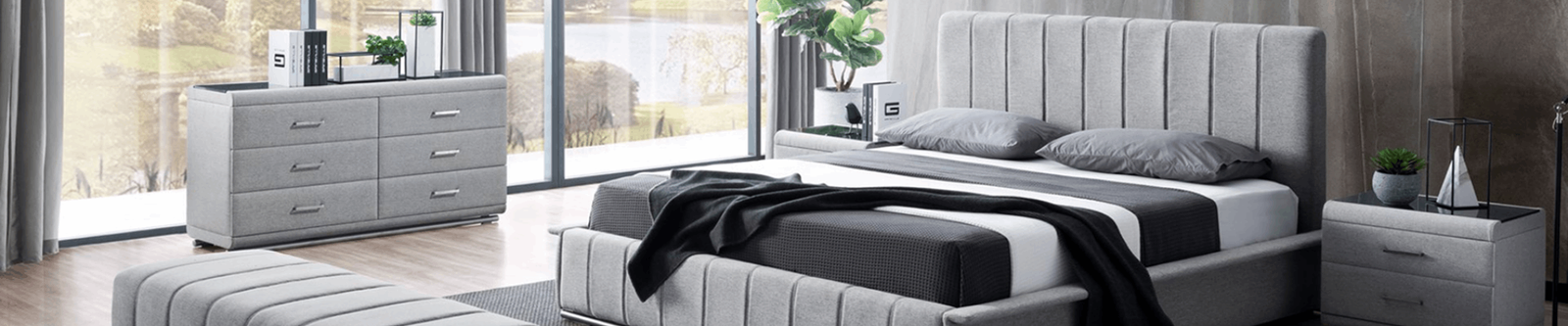

Why Footstools Matter in Modern Design Projects
In the world of interior design, every piece of furniture plays a dual role: it must serve a function and contribute to the overall aesthetic. Footstools excel at both, offering a subtle yet impactful way to elevate comfort, balance proportions, and inject personality into a room.
Comfort Meets Aesthetics
Beyond a simple place to rest tired feet, a well‑chosen footstool can become a focal point that ties together color palettes, textures, and lines. When integrated thoughtfully, footstools encourage relaxed postures, improve circulation, and invite users to linger—an essential quality for hospitality spaces, living rooms, and boutique offices.
Space‑Saving Versatility
Because footstools are compact, they fit seamlessly into tight layouts while providing the visual weight needed to anchor furniture groups. In open‑plan designs, a strategically positioned footstool can delineate zones without the permanence of a full‑size sofa or chair.
1. Selecting the Right Footstool for Your Design Project
Consider Scale and Proportion
- Height: Aim for a footstool that sits 10‑12 inches below the seat height of adjacent chairs or sofas.
- Width: For single‑person use, choose 14‑18 inches wide; for duo or statement pieces, go 22‑30 inches.
- Depth: A depth of 12‑16 inches offers enough surface area without overwhelming the space.
Choose Materials That Align with Your Vision
- Upholstered: Soft fabrics, velvet or linen add warmth and tactile depth.
- Wooden or Rattan: Natural finishes convey organic elegance and work well in Scandinavian or boho interiors.
- Metal Frames: Chrome or brushed brass inject a modern, industrial edge.
Color and Pattern Strategy
Footstools are ideal for testing bold colors or patterns without re‑upholstering larger items. Use them to:
- Introduce an accent hue that echoes artwork or accessories.
- Layer patterned fabrics that complement, rather than clash with, surrounding textiles.
- Create a visual bridge between contrasting furniture pieces.
2. Integrating Footstools into Different Room Styles
Contemporary Minimalist
Opt for sleek, low‑profile footstools with clean lines and a monochrome palette. Materials like matte metal or high‑gloss lacquer keep the aesthetic crisp. Pair with a modular sofa to maintain an uncluttered vibe.
Traditional & Classic
Turn to plush, tufted footstools in rich fabrics—think velvet in deep navy or burgundy. Wooden legs with turned detailing echo the craftsmanship of classic décor. Position beside wingback chairs for a balanced, formal arrangement.
Bohemian & Eclectic
Mix textures and colors freely. A woven rattan footstool with an embroidered cushion can anchor a layered rug, while mismatched patterns celebrate individuality. Layer multiple footstools of varied heights for a playful, lounge‑ready nook.
Commercial Spaces (Hotels, Cafés)
Durability is key. Choose robust upholstery fabrics like performance microfiber, and consider removable, washable covers. Compact ottoman‑style footstools can double as extra seating during peak hours.
3. Practical Tips for Buying and Maintaining Footstools
Test Before You Purchase
- Sit on the adjoining chairs to gauge height compatibility.
- Press the cushion to assess firmness; it should retain shape without sagging.
- Check the stability of legs or base—wobble means structural issues.
Prioritize Quality Construction
Look for solid joinery, reinforced stitching, and high‑density foam cores. These details extend the lifespan and keep the footstool looking fresh for years.
Easy Maintenance Strategies
- Upholstery: Spot‑clean with a mild detergent, and schedule professional cleaning annually for delicate fabrics.
- Wood/Rattan: Dust regularly and apply veneer‑compatible polish every 6‑8 months.
- Metal: Wipe with a soft cloth and a neutral cleaner to prevent tarnish.
Smart Storage Solutions
If space is premium, select footstools with hidden storage compartments. They double as discreet bins for blankets, magazines, or even extra pillows—maximizing functionality without compromising style.
Conclusion
Footstools are more than an afterthought; they are strategic design tools that blend comfort, style, and practicality. By carefully considering scale, material, and placement, designers and discerning buyers can harness footstools to create inviting, well‑balanced interiors that stand the test of time. Ready to elevate your next design project? Let the humble footstool become your secret weapon for a space that feels both sophisticated and supremely livable.