
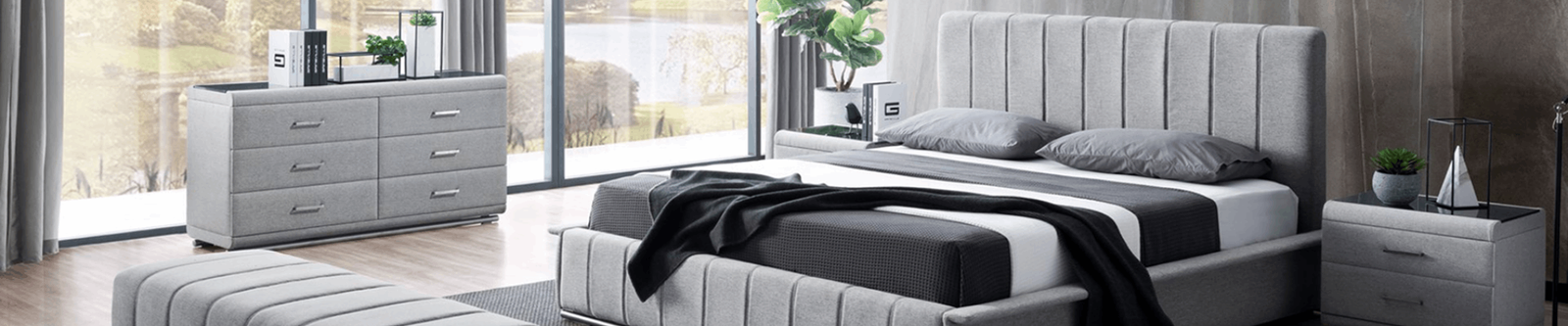

Meta Description: Discover the best fringe ottoman stool for your home. Learn styling tips, buying guides, and maintenance tricks in under 160 characters.
Introduction
When it comes to adding a touch of boho‑chic elegance to a living room, bedroom, or lounge area, few pieces are as versatile as the fringe ottoman stool. This accessory blends comfort, function, and visual intrigue, making it a favorite among interior designers and savvy homeowners alike. In this guide, we’ll explore why fringe ottoman stools have become a staple in modern decor, examine the key factors to consider when purchasing one, and provide practical styling and care tips that ensure your piece stays beautiful for years to come.
Why Choose a Fringe Ottoman Stool?
1. Multi‑Functional Design
A fringe ottoman stool is not just a seat; it doubles as a footrest, a low coffee table, and even extra storage when equipped with a hidden compartment. This multifunctionality makes it especially valuable in smaller apartments where every square foot counts.
2. Instant Visual Impact
The flowing fringe creates movement and texture that can soften a stark room, highlight a color palette, or act as a natural focal point. Because the fringe is typically made from woven fabrics or leather braids, it adds a tactile dimension that invites touch.
3. Seamless Style Integration
Whether your home leans toward mid‑century modern, coastal, industrial, or eclectic boho, a fringe ottoman stool can be paired with a wide array of décor styles. Choose a neutral canvas for a timeless look, or opt for bold hues to make a statement.
How to Choose the Perfect Fringe Ottoman Stool
1. Determine the Primary Use
- Seating: Look for a stool with a sturdy base and a seat height of 14‑18 inches for comfortable sitting.
- Footrest: A lower height (10‑12 inches) paired with a soft cushion works best.
- Storage: Choose models with a zip‑pered interior or removable lid.
2. Evaluate Materials
- Frame: Solid hardwood (oak, walnut) or metal frames provide durability.
- Upholstery: Natural fibers like jute or cotton offer a relaxed vibe, while faux‑leather delivers a sleek, easy‑care surface.
- Fringe: Hand‑woven fringe made from cotton, linen, or synthetic blends resists shedding and maintains shape.
3. Size & Proportions
Measure the space where you intend to place the stool. A common footprint is 18‑24 inches square, but rectangular options (e.g., 24×18 inches) can double as a side table. Ensure there is at least 24 inches of clearance around the piece for traffic flow.
4. Color Coordination
Neutral shades (beige, gray, ivory) blend seamlessly with most palettes, while vibrant tones (deep teal, mustard, rust) can act as a statement accent. Consider the existing color scheme of the room: complementary colors amplify harmony, whereas contrasting colors create visual drama.
5. Quality of Construction
Inspection points include double‑stitched seams on the fringe, a smooth and level seat surface, and a stable base that does not wobble. High‑quality pieces often come with a warranty ranging from 1‑5 years.
Styling Tips to Maximize Impact
1. Pair with Complementary Textures
Place your fringe ottoman beside a leather sofa, a wooden coffee table, or a plush rug. The contrast of smooth, hard, and soft textures heightens visual interest.
2. Use as a Decorative Tray
Turn the top of the ottoman into a functional display by adding a decorative tray, candles, and small plants. This transforms a simple stool into a curated centerpiece.
3. Layer with Throws and Pillows
For added comfort, drape a lightweight throw over the stool or nest a few decorative pillows on top. Choose fabrics that echo the fringe’s material for a cohesive look.
4. Create a Balanced Arrangement
When using multiple fringe ottoman stools, arrange them in a symmetrical layout (e.g., two stools flanking a coffee table) or a staggered pattern for a more relaxed feel.
5. Highlight with Lighting
Spotlight the stool with floor lamps or pendant lighting to accentuate the fringe’s movement. Warm lighting brings out the natural tones of woven fibers, while cooler light enhances contemporary leather finishes.
Care and Maintenance Best Practices
1. Routine Dusting
Use a soft lint roller or a gentle vacuum brush attachment once a week to remove dust and loose fibers from the fringe.
2. Spot Cleaning
For fabric upholstery, blot spills with a clean, absorbent cloth. Apply a mild detergent mixed with water, test on an inconspicuous area first, then gently rub. Avoid saturating the fringe.
3. Leather Care
If your ottoman features leather fringe, wipe it with a damp cloth and follow up with a leather conditioner every 3‑4 months to prevent cracking.
4. Protect from Sunlight
Prolonged exposure to direct sunlight can fade colors. Position the stool away from windows or use UV‑filtering window treatments.
5. Storage Tips
When not in use for extended periods, cover the ottoman with a breathable fabric bag to keep dust at bay while allowing air circulation.
Conclusion
The fringe ottoman stool is more than a decorative add‑on; it is a functional, stylish, and durable piece that can transform any space. By understanding material quality, size, and design intent, you can select a stool that aligns with your aesthetic and practical needs. Follow our styling and maintenance guidelines to keep the fringe looking fresh and vibrant, ensuring your investment continues to impress for years to come. Ready to upgrade your living area? Explore our curated collection at fzvictor.com and find the perfect fringe ottoman stool for your home today.