Address
304 North Cardinal
St. Dorchester Center, MA 02124
Work Hours
Monday to Friday: 7AM - 7PM
Weekend: 10AM - 5PM
Address
304 North Cardinal
St. Dorchester Center, MA 02124
Work Hours
Monday to Friday: 7AM - 7PM
Weekend: 10AM - 5PM
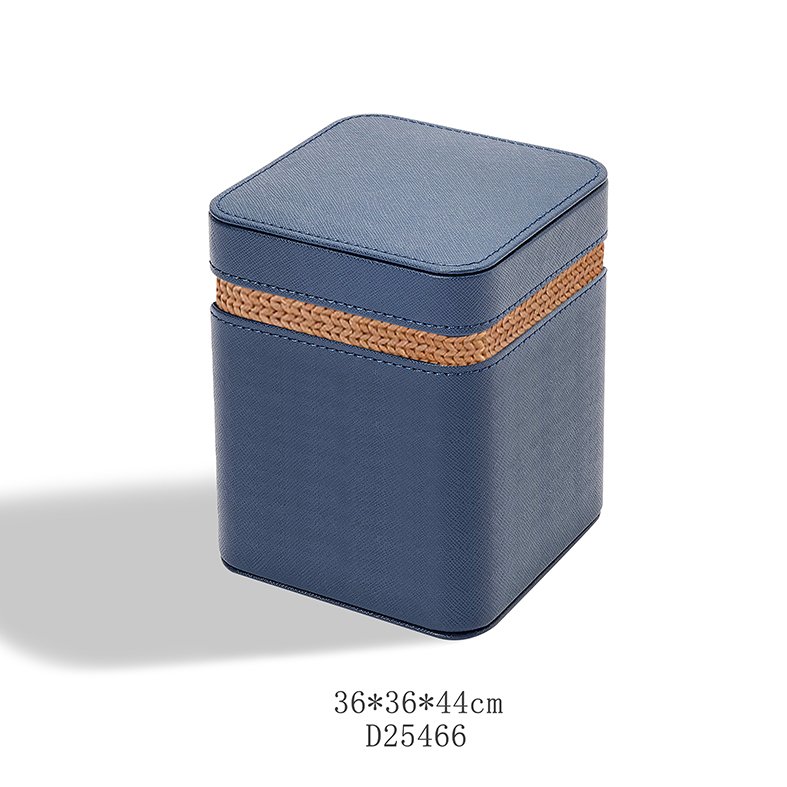
When executing a high-end commercial interior, every single furniture piece matters. While designers often focus on massive sectionals or statement lighting, smaller accent pieces like the humble foot stool can make or break the functionality, flow, and guest experience of a space. A well-designed foot stool does more than provide a casual place to rest tired feet—it acts as an essential structural anchor for complex seating arrangements, introduces rich sensory texture, and offers highly versatile functionality in modern hospitality layouts.
Whether you are looking for an elegant vanity stool for a luxury hotel dressing room, a durable stool chair for a high-traffic lounge resort, or bulk seating solutions for a commercial lounge, strategic sourcing is key. In this comprehensive guide, we will explore how to transition from initial design concepts to delivering chic, commercial-grade comfort through professional wholesale manufacturing channels.
In hospitality and commercial design, every square foot of real estate must be optimized to maximize ROI. Furniture cannot simply exist for aesthetic purposes; it must justify its footprint by offering multiple practical benefits to both the guests and the property operators. A premium foot stool, vanity stool, or accent stool chair serves several critical purposes in a commercial environment:
Commercial environments face continuous, heavy foot traffic and rigorous cleaning schedules, meaning residential-grade construction simply won’t suffice. When sourcing wholesale furniture for demanding design projects, paying close attention to manufacturing standards and structural integrity is non-negotiable. According to the commercial furniture testing standards outlined by the Business and Institutional Furniture Manufacturers Association (BIFMA), structural components must withstand rigorous weight-bearing and impact tests before field deployment.
| Material Type | Design Project Application | Key Benefits for Hospitality Environments |
|---|---|---|
| Solid Hardwood Frame | Traditional & Scandinavian Guestrooms | Timeless elegance, exceptional durability, natural warmth, and secure traditional joinery. |
| Reinforced Metal Frames | Industrial Lounges & High-Traffic Lobbies | High tensile strength, sleek modern profiles, and scratch-resistant powder coating. |
| Performance Upholstery | Vanity Stool, Dressing Areas & Bars | Stain-resistant, high Martindale rub count, fire-retardant fabrics that are easy to sanitize. |
Furthermore, ensure your commercial furniture manufacturing partner uses premium structural joinery—such as double-dowelled joints, corner blocks, or mortise-and-tenon construction—rather than simple nails, staples, or industrial glue. Working alongside an experienced KD ottoman manufacturer wholesale expert ensures that the final furniture pieces are not only structurally sound for years of continuous commercial use but also engineered for efficient Knock-Down (KD) packing, significantly reducing international shipping costs and simplifying on-site assembly for installation teams.
For the internal padding, always insist on high-density, fire-retardant foam that complies with rigorous municipal safety standards, such as the California Technical Bulletin 117-2013 (CAL 117) or the UK’s BS 5852 standard. Cheap foam degrades rapidly under commercial usage, leading to unsightly sagging and a compromised guest experience within just months of installation. A solid core constructed from high-density plywood or premium MDF prevents structural deformation and guarantees long-term durability.
To make a stool chair, dressing table stool, or foot stool feel like an intentional, curated part of your hospitality design project rather than an afterthought, interior designers should implement these professional layout and styling strategies:
An oversized ottoman will visually overwhelm a petite lounge chair, while a delicate, thin-legged vanity stool will look completely lost next to a massive deep-seat sectional. Always precisely measure the seat height of the primary lounge chair or sofa; your matching footstool should ideally sit 1 to 2 inches lower than the main sofa cushion. This subtle height difference ensures optimal ergonomic comfort when a guest stretches out their legs.
Don’t just match fabrics blindly with the rest of the room. If your primary sofa features a subtle, flat weave or solid neutral linen, consider wrapping your upholstered foot stool in rich bouclé, tufted leather, or vibrant geometric patterns to create an eye-catching focal point. Incorporating unique statement pieces from an experienced, specialized ottoman bench wholesale supplier can effortlessly introduce playful yet sophisticated geometry into a high-end lounge area, adding layers of luxury that guests can both see and feel.
Sourcing furniture for large-scale hospitality projects involves balancing strict budgets, tight timelines, and uncompromising quality control. Working through multi-tier retail channels or middleman sourcing agents often inflates costs and dilutes communication, leading to manufacturing errors and delays. Designing within the guidelines established by international bodies like the International Interior Design Association (IIDA) emphasizes the importance of a transparent, streamlined procurement chain to maintain the designer’s intent.
By partnering directly with a dedicated hospitality furniture factory, design firms and procurement agencies unlock massive advantages:
In the highly competitive world of commercial hospitality design, small details dictate the overall guest experience and drive positive reviews. By rigorously assessing structural durability, prioritizing ergonomic human comfort, and selecting highly versatile, multi-functional designs, you can transform a simple foot stool into a functional centerpiece that elevates your entire interior ecosystem.
As a professional, global-scale furniture manufacturer behind Fuzhou Victor Furniture Co., Ltd., we specialize in high-quality wholesale production tailored specifically for global hospitality, commercial lounges, and high-end interior design projects. We invite you to learn more about us, explore our advanced manufacturing capabilities, and see how we seamlessly turn complex design concepts into chic reality. Contact our procurement team today to receive a direct quote and discuss your next design project’s specific requirements.