
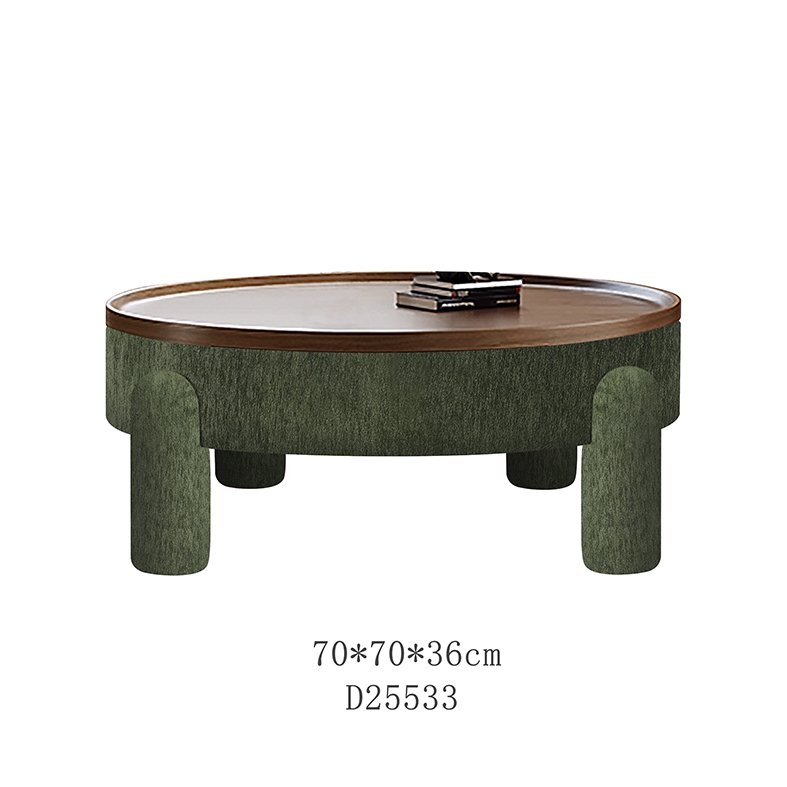

The living room is the heart of many homes, and its centerpiece often dictates both style and function. For many homeowners, the choice between a classic coffee table and a versatile ottoman presents a common design dilemma. While both serve as focal points, their fundamental differences in utility, aesthetic, and comfort can profoundly impact your space. At FZVictor.com, we understand the importance of making informed furniture decisions. This comprehensive guide will dissect the nuances of the coffee table and the ottoman, helping you determine which is the perfect fit for your lifestyle, decor, and practical needs.
The Classic Coffee Table: Where Functionality Meets Form
The coffee table has been a living room staple for generations, revered for its clear, stable surface and traditional appeal. It’s the quintessential spot for resting beverages, displaying decorative items, and organizing everyday essentials.
Primary Purpose & Practicality
At its core, a coffee table provides a firm, flat surface. This makes it ideal for:
- Serving Drinks & Snacks: Its stability is unmatched for holding cups, glasses, and plates without fear of spills.
- Displaying Decor: A perfect platform for books, magazines, vases, and curated decorative objects that enhance your room’s aesthetic.
- Remote Control Hub: A designated spot to keep remotes, coasters, and other small items within easy reach.
- Work Surface: Some designs even offer a convenient spot for laptops or reading.
Its primary strength lies in its unwavering utility as a stable, accessible surface.
Material & Style Considerations
Coffee tables come in an incredible array of materials and styles, allowing for seamless integration into any decor theme:
- Materials: Common options include robust wood (oak, walnut, mahogany), sleek glass, industrial metal, sophisticated marble, or even unique combinations. Each material offers different durability, maintenance, and visual weight.
- Styles: From minimalist modern and rustic farmhouse to opulent traditional and eclectic bohemian, there’s a coffee table design to match every taste. Square, rectangular, round, and oval shapes also influence flow and balance within the room.
The material and style you choose will significantly impact the overall ambiance of your living space, making the coffee table a powerful design tool.
When to Choose a Coffee Table
Opt for a coffee table if:
- You frequently entertain and need a reliable surface for drinks and appetizers.
- Your living room leans towards a more formal or traditional aesthetic.
- You value dedicated display space for decorative items and coffee table books.
- You require a stable, hard surface for daily use.
- Safety for young children isn’t a primary concern regarding sharp edges or hard surfaces.
The Versatile Ottoman: Comfort and Hidden Potential
Once considered merely a footrest, the ottoman has evolved into a multifaceted furniture piece, celebrated for its comfort, adaptability, and often, hidden functionality.
Primary Purpose & Practicality
Ottomans excel in offering comfort and flexibility:
- Ultimate Footrest: Their soft, padded surface is perfect for propping up your feet after a long day, promoting relaxation.
- Extra Seating: A lifesaver when entertaining a crowd, ottomans provide comfortable, impromptu seating without taking up excessive space.
- Hidden Storage: Many modern ottomans feature hinged tops, revealing spacious interiors ideal for stowing away blankets, magazines, toys, or remote controls, helping to declutter your living area.
- Soft Surface for Trays: While not as inherently stable as a coffee table, a sturdy decorative tray can transform an ottoman into a functional surface for drinks or snacks when needed.
Its primary appeal lies in its inherent softness and dual-purpose utility.
Material & Style Considerations
Ottomans also boast a diverse range of materials and styles, though often prioritizing comfort and textile aesthetics:
- Materials: Upholstery is key, with options ranging from luxurious leather and durable faux leather to soft velvets, linen, cotton, and various textured fabrics. The filling also contributes to comfort and shape retention.
- Styles: Available as large tufted squares, sleek upholstered rectangles, round poufs, or even bench-style pieces, ottomans can anchor a room with their plush presence. They seamlessly fit into casual, contemporary, eclectic, and even some traditional settings.
The tactile quality and visual softness of an ottoman can significantly soften a room’s aesthetic.
When to Choose an Ottoman
Consider an ottoman if:
- Your priority is comfort and a place to rest your feet.
- You frequently need extra seating for guests in a more casual setting.
- You’re short on storage space and appreciate concealed compartments.
- You have young children or pets, as the soft edges are inherently safer.
- Your living space is smaller, as they can serve multiple functions efficiently.
Direct Comparison: Making Your Decision
To help solidify your choice, let’s pit the coffee table and ottoman against each other in a head-to-head comparison.
Functionality Face-Off
- Surface Stability: Coffee Table Wins. Offers a consistently stable, flat surface for drinks, decor, and everyday items.
- Comfort: Ottoman Wins. Designed for comfort, perfect for propping feet or offering soft extra seating.
- Storage: Ottoman Often Wins. Many designs incorporate hidden storage, a feature less common in traditional coffee tables (though some lift-top coffee tables exist).
- Versatility: Ottoman Often Wins. Can be a footrest, extra seat, or, with a tray, a temporary table.
Style & Aesthetic Impact
- Formal vs. Casual: Coffee tables often lean towards a more formal or structured aesthetic. Ottomans tend to promote a relaxed, inviting, and casual atmosphere.
- Visual Weight: Coffee tables can feel more grounded and substantial, especially those made of wood or metal. Ottomans, particularly fabric ones, often feel lighter and softer visually.
- Design Harmony: Consider your existing furniture. A sleek, modern coffee table might clash with plush, overstuffed sofas, while a tufted ottoman could provide a cohesive link.
Space & Safety Considerations
- Traffic Flow: Both need adequate space around them for comfortable movement. Ottomans can sometimes be more forgiving in tighter spaces due to their softer edges.
- Child & Pet Friendliness: Ottomans are generally safer due to their soft, padded surfaces, reducing the risk of bumps and scrapes compared to the hard, often sharp edges of many coffee tables. This is a significant factor for families with young children or energetic pets.
- Maintenance: Glass coffee tables show fingerprints easily, while upholstered ottomans may require more vigilance against stains and spills.
Conclusion: The Best Choice for Your Home
The “coffee table vs. ottoman” debate isn’t about one being inherently superior, but rather about which piece best aligns with your specific needs, lifestyle, and design vision. A coffee table offers unmatched stability for entertaining, a dedicated display area, and a more formal aesthetic. It’s the go-to for those who prioritize a firm, accessible surface.
Conversely, an ottoman excels in comfort, offers flexible extra seating, often provides valuable hidden storage, and creates a softer, more relaxed ambiance. It’s the ideal choice for families, casual living spaces, and those who love to put their feet up.
Before making your final decision, consider:
- Your Primary Use: Do you need a stable surface or a comfortable footrest/extra seat?
- Your Lifestyle: Do you have children or pets? Do you entertain formally or casually?
- Your Room’s Aesthetic: Are you aiming for a formal, traditional look or a cozy, relaxed feel?
- Your Space Constraints: Do you need hidden storage?
At FZVictor.com, we encourage you to visualize each option in your space. Whichever you choose, ensure it enhances both the functionality and beauty of your living room, becoming a cherished part of your home for years to come.