

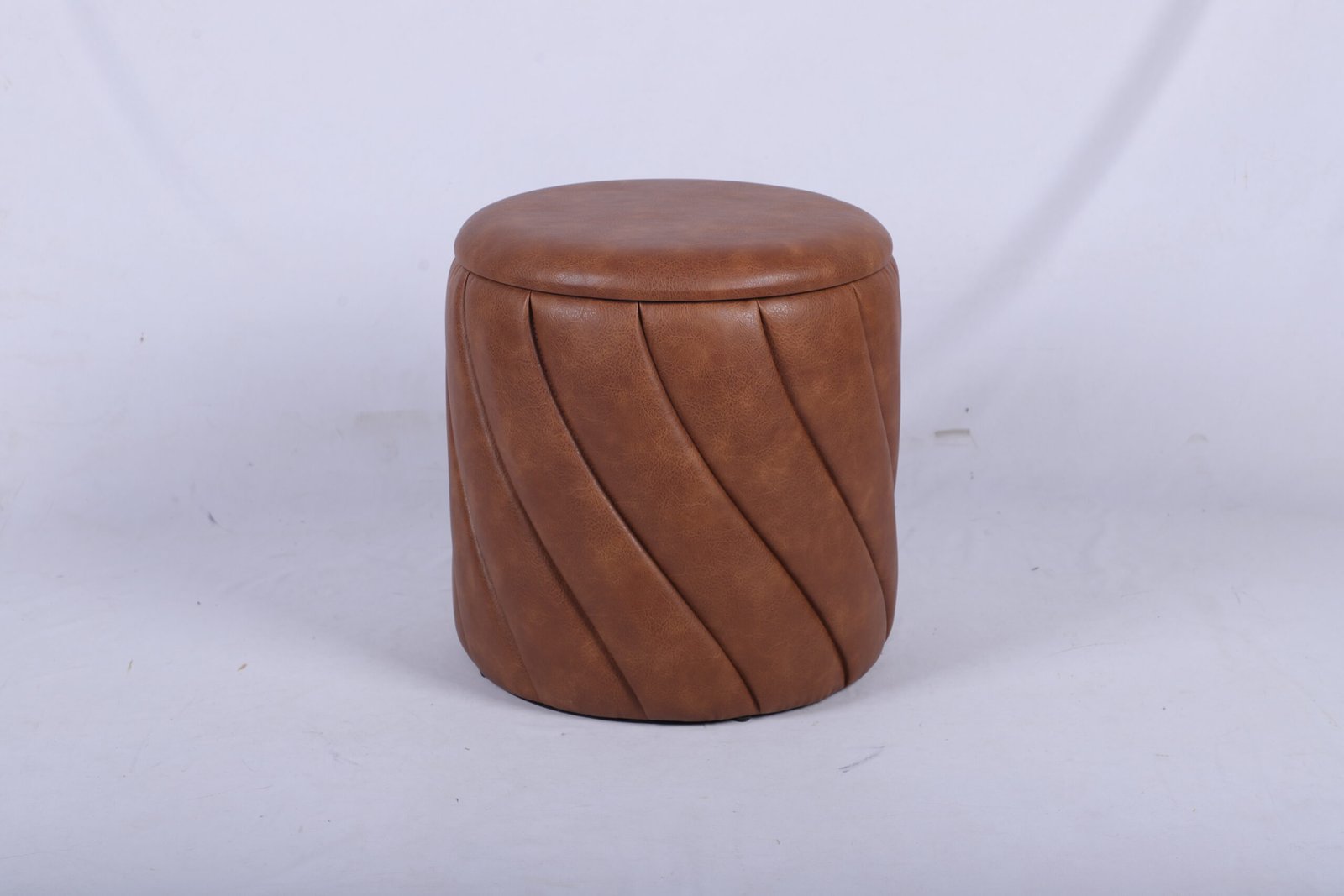

Mitigating Risks: A Professional Guide to Importing Storage Ottomans
Importing storage ottomans from overseas factories is a powerful strategy for furniture businesses to control costs and improve margins. However, it introduces risks related to quality consistency, communication, and logistics. For Amazon sellers and private-label brands, mastering risk management is essential for a scalable business in 2026.
This guide outlines 9 practical strategies to ensure a smoother sourcing process and higher confidence when dealing with manufacturing partners.
1. Choose the Right Manufacturing Partner From the Start
The single most important factor in reducing risk is choosing the right factory. When evaluating a storage ottoman manufacturer, focus on more than just price:
- Export Experience: Proven track record in international furniture standards.
- Structured QC System: A clear, documented quality control process.
- OEM/ODM Capability: Ability to scale with custom designs as your brand grows.
2. Confirm All Specifications in Writing
Verbal agreements are a major source of sourcing errors. Always document the following before production:
- Materials: Fabric type (color codes), foam density, and frame structure.
- Tolerances: Acceptable variations in dimensions and weight capacity.
- Packaging: Labeling requirements and master carton specifications.
3. Request Pre-Production Samples (PPS)
Skipping samples is a costly mistake. Pre-production samples allow you to verify hinge safety, seating comfort, and fabric texture before committing to a full container order.
4. Implement a Structured Quality Inspection Plan
Professional buyers use a three-stage approach to ensure zero-defect shipments:
- IQC (Incoming Quality Control): Checking raw materials like wood and fabric.
- IPQC (In-Process Quality Control): Monitoring frame alignment during assembly.
- FQC (Final Quality Control): Random inspection before the container is sealed.
5. Load-Bearing and Functional Testing
Storage ottomans are multi-functional. Ensure your factory tests for weight capacity and hinge durability (opening/closing cycles). Failure in these areas leads to high return rates in e-commerce.
6. Understand Payment and Shipping Terms (Incoterms)
Protect your capital by defining clear terms:
- Payment: Typically 30% deposit / 70% balance before shipment.
- Incoterms: Use FOB or DDP to clearly define where the risk transfers from the factory to you.
7. Plan for Packaging and Transit Protection
Furniture is prone to edge damage. Confirm that your supplier uses drop-test certified cartons and sufficient internal padding (EPE foam/corner protectors) to survive long sea transits.
8. Build Long-Term Partnerships
Short-term “price hunting” often leads to inconsistent quality. A stable partnership with a manufacturer like Fuzhou Victor Furniture ensures priority production and better after-sales support.
Secure Your Furniture Supply Chain
FZ Victor offers 19 years of manufacturing expertise with rigorous QC standards to minimize your import risks.
Global Sourcing Categories:
Storage Ottomans |
Ottoman Benches |
OEM/ODM Upholstery