
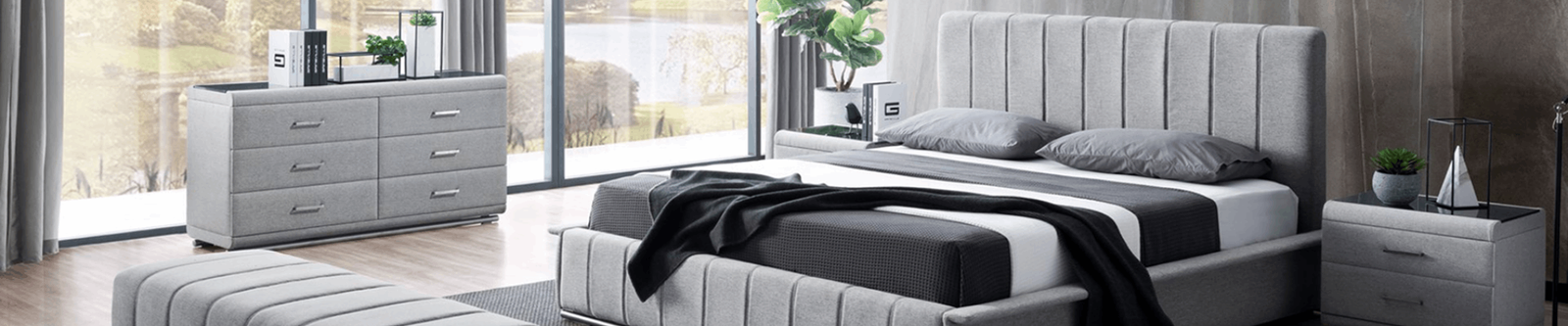

In an increasingly competitive global market, furniture importers are seeking reliable partners who can deliver high‑quality products at scale. As we step into 2026, understanding the macro‑economic forces, evolving consumer preferences, and logistical innovations is essential for any business looking to thrive in the wholesale arena. This guide provides a deep dive into the latest export trends, practical wholesale strategies, and why collaborating with a reputable furniture manufacturer in China can be a game‑changer for your portfolio.
1. Global Market Outlook for Furniture Exports in 2026
The global furniture market is projected to surpass USD 650 billion by the end of 2026, driven by rapid urbanization, a surge in e‑commerce, and a growing appetite for sustainable design. Below are the three pillars shaping this expansion:
1.1 Accelerated Digital Channels
Online B2B platforms now account for more than 30% of wholesale furniture transactions, up from 18% in 2022. Importers are leveraging AI‑driven sourcing tools to compare price points, lead times, and compliance certifications across multiple factories. The digital shift also means that product catalogs must be SEO‑optimized and enriched with high‑resolution imagery to capture buyer attention.
1.2 Sustainability as a Core Differentiator
Eco‑conscious consumers are demanding FSC‑certified wood, low‑VOC finishes, and circular‑economy solutions such as modular pieces that can be re‑configured or recycled. Importers who can certify that their inventory meets these standards are better positioned to command premium pricing and secure contracts with large‑scale retailers.
1.3 Geopolitical Realignment and Trade Agreements
Recent free‑trade agreements across the Asia‑Pacific region have reduced tariffs on furniture components, making Chinese‑manufactured goods more cost‑effective compared to traditional European sources. However, importers must stay vigilant about evolving customs regulations, especially regarding phytosanitary certificates for wooden products.
2. Wholesale Strategies for High‑Volume Buyers
To capitalize on the market momentum, wholesale buyers need a strategic framework that balances cost efficiency, product diversity, and risk mitigation. Below are three proven tactics:
2.1 Diversify Product Assortments with Modular Essentials
Modular furniture—think stackable stools, interchangeable shelving, and custom entryway bench collections—offers flexibility for retailers aiming to serve both compact urban apartments and larger suburban homes. By sourcing modular lines, you reduce inventory complexity while catering to a broader consumer base.
2.2 Optimize Order Consolidation and Freight Management
Consolidating shipments into full‑container loads (FCL) can reduce freight costs by up to 20% compared with less‑than‑container (LCL) shipments. Partner with logistics providers that offer real‑time container tracking and automated customs clearance to shorten lead times. Additionally, consider near‑shore cross‑docking hubs in Southeast Asia to serve North American markets more efficiently.
2.3 Leverage Private‑Label Partnerships
Private‑label agreements enable you to rebrand high‑quality Chinese furniture under your own label, creating a unique market proposition. When negotiating private‑label terms, focus on:
- Minimum order quantities (MOQs) that align with your cash flow.
- Design exclusivity clauses to prevent duplicate designs from reaching competitors.
- Quality assurance protocols, including third‑party inspections and sample approvals.
These safeguards ensure product consistency and protect brand reputation.
3. Leveraging Chinese Manufacturing Partnerships in 2026
China remains the world’s largest furniture exporter, offering unparalleled manufacturing capacity, skilled labor, and rapid prototyping capabilities. Here’s how to forge a partnership that delivers wholesale success:
3.1 Vetting the Right Partner
Begin with a thorough assessment of a factory’s certifications (ISO 9001, BSCI, FSC) and its track record in overseas shipping. A reputable partner will welcome on‑site factory tours, provide detailed production schedules, and share case studies of previous wholesale collaborations.
3.2 Capitalizing on Product Innovation
Chinese factories excel at rapid design iterations. By sharing CAD files and material specifications early in the development cycle, you can co‑create products such as the popular storage ottoman wholesale line, which blends hidden storage with stylish upholstery—an item that consistently ranks high in online search traffic.
3.3 Managing Quality and Compliance
Implement a two‑tier quality control system: an in‑factory QC team conducts daily inspections, while an independent third‑party agency performs random batch testing for durability, fire safety, and chemical emissions. This dual approach minimizes the risk of costly returns and strengthens compliance with EU and US regulations.
3.4 Building Long‑Term Strategic Value
Beyond single‑order transactions, consider joint‑venture opportunities or exclusive distribution rights for specific product categories. Such arrangements can lock in pricing advantages, guarantee supply continuity, and foster joint marketing initiatives—critical assets in a market where brand differentiation is increasingly tied to supply‑chain transparency.
Conclusion
Wholesale furniture importers who adapt to the 2026 landscape will thrive by embracing digital sourcing, prioritizing sustainability, and mastering logistics efficiencies. Most importantly, aligning with a trusted furniture manufacturer in China equips you with the scalability, design innovation, and compliance rigor needed to meet global demand. Ready to elevate your wholesale portfolio? Contact Fuzhou Victor Furniture today to explore tailored solutions, from custom entryway bench projects to comprehensive storage ottoman wholesale programs. Let’s shape the future of furniture together.