
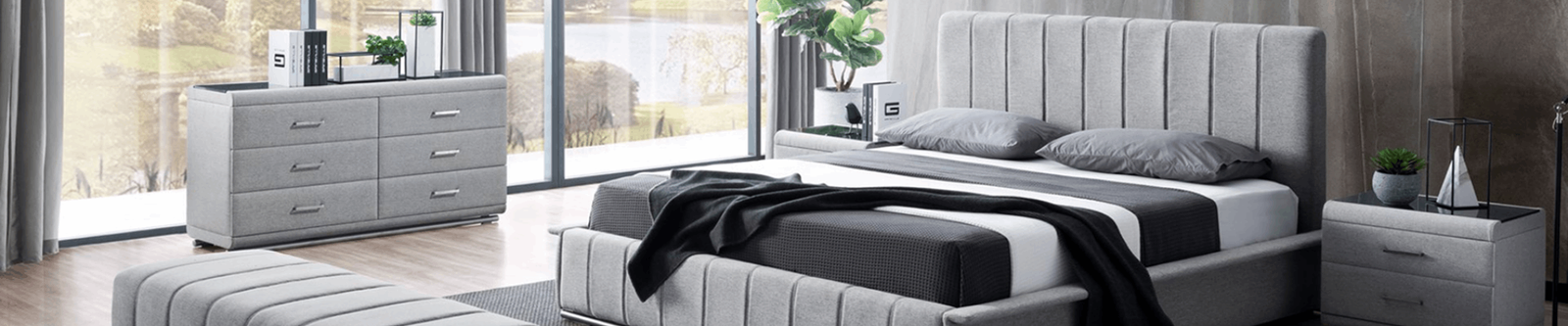

Wholesale Furniture Trends 2026: A Strategic Guide for Global Importers
As the world emerges from a period of rapid digital transformation, the furniture export industry is witnessing a new wave of consumer preferences, logistical innovations, and sustainability mandates. For importers who source from Asia, staying ahead of these shifts is not optional—it’s a competitive necessity. This comprehensive guide examines the key trends shaping wholesale furniture in 2026, offers actionable sourcing strategies, and highlights why partnering with a reputable furniture manufacturer in China can accelerate your growth.
1. Design Evolution: From Minimalism to Functional Aesthetics
1.1. Multi‑Purpose Living Solutions
Post‑pandemic lifestyles have cemented the demand for furniture that does more than just fill a space. Consumers now look for pieces that adapt to work‑from‑home setups, small‑apartment living, and evolving family dynamics. Expect a surge in:
- Convertible sofas with hidden storage
- Modular shelving that doubles as room dividers
- Elegant storage ottoman wholesale solutions that blend style with utility
1.2. Regional Influences and Global Fusion
Designers are blending local cultural motifs with contemporary lines. In Asia, the resurgence of Ming‑style clean geometry paired with Scandinavian hygge creates a unique aesthetic that appeals to Western markets seeking “exotic familiarity.” Importers should request custom samples that feature these hybrid styles, ensuring they can differentiate their catalog.
1.3. Sustainable Materials as a Design Cornerstone
Eco‑consciousness is no longer a niche; it’s a baseline expectation. Materials such as reclaimed wood, bamboo, and low‑VOC finishes dominate the wholesale market. Look for certifications like FSC, PEFC, or GREENGUARD. A forward‑thinking supplier will provide traceability documentation, enabling you to market each piece as a truly sustainable choice.
2. Sourcing Smart: Leveraging Technology and Partnerships
2.1. Digital Showrooms and Virtual Sampling
Manufacturers are investing heavily in 3D product visualisation, AR‑enabled catalogs, and real‑time inventory dashboards. By integrating these tools, importers can:
- Reduce sample costs by previewing designs virtually
- Accelerate approval cycles with instant feedback loops
- Access accurate lead‑time forecasts, minimizing stock‑outs
2.2. The Value of a Reliable furniture manufacturer in China
Partnering with an experienced export‑oriented factory offers several strategic advantages:
- Scalability: Ability to ramp up production for seasonal peaks without compromising quality.
- Compliance Expertise: Mastery of international standards (e.g., EN 1335, BIFMA) and rapid adaptation to new regulations.
- End‑to‑End Services: From custom entryway bench prototyping to packaging, labeling, and drop‑shipping.
When evaluating partners, request the following:
- Factory audit reports (e.g., SGS, BRC)
- Sample production timelines and quality control checklists
- Transparent cost breakdowns, including FOB, packaging, and potential tariffs
2.3. Logistics Optimization for 2026
Shipping containers are returning to pre‑pandemic capacity levels, yet congestion at major ports remains a concern. To mitigate delays:
- Adopt a mixed‑mode approach—combine ocean freight for bulk shipments with air freight for high‑margin, time‑sensitive items.
- Leverage free‑trade agreements (e.g., ASEAN‑China FTA) to reduce duties on qualifying products.
- Utilize warehouse hubs in strategic locations such as Dubai, Rotterdam, and Los Angeles for regional consolidation.
3. Market Segmentation: Targeting High‑Growth Channels
3.1. Hospitality and Short‑Term Rentals
The surge in boutique hotels and Airbnb‑style rentals demands durable, stylish furniture that can withstand frequent turnover. Key product categories include:
- Sturdy yet lightweight metal‑frame chairs
- Compact bedside tables with built‑in charging ports
- Easy‑clean upholstery fabrics (e.g., solution‑dyed polyester)
Offering a wholesale hospitality collection packaged with optional branding services can win contracts with property management firms.
3.2. Office Furniture for Hybrid Workplaces
Hybrid work models are solidifying, and offices are being redesigned for flexibility. Importers should source:
- Height‑adjustable desks with integrated cable management
- Ergonomic task chairs offering breathable mesh and lumbar support
- Privacy pods and movable partitions that blend with modern aesthetics
Highlight certifications such as BIFMA Level 1 and ISO 9001 to assure corporate buyers of quality and safety.
3.3. E‑Commerce Ready Home Collections
Online shoppers prioritize fast delivery, clear imagery, and hassle‑free returns. To succeed, supply chains must be capable of:
- Flat‑pack designs that reduce shipping volume by up to 40%
- Pre‑assembled kits for premium lines where speed outweighs cost
- Dedicated after‑sales support, including assembly videos and spare‑part logistics
Positioning a line of storage ottoman wholesale and custom entryway bench items can capture the growing ‘first‑impression’ market segment—students moving into dorms, young professionals furnishing starter apartments, and downsizing retirees.
Conclusion: Positioning for Success in 2026
Wholesale furniture importers who combine a keen eye for design trends, an agile sourcing strategy, and a partnership with a proven furniture manufacturer in China will thrive in 2026’s dynamic market. Prioritize multi‑purpose designs, embed sustainability throughout the product lifecycle, and leverage digital tools to streamline sampling and order fulfillment. By doing so, you not only meet the evolving demands of global buyers but also build a resilient supply chain capable of navigating the inevitable challenges of international trade.
Ready to upgrade your portfolio? Connect with Victor Furniture today and gain access to exclusive product lines, custom design services, and a reliable export infrastructure that can power your growth for years to come.