
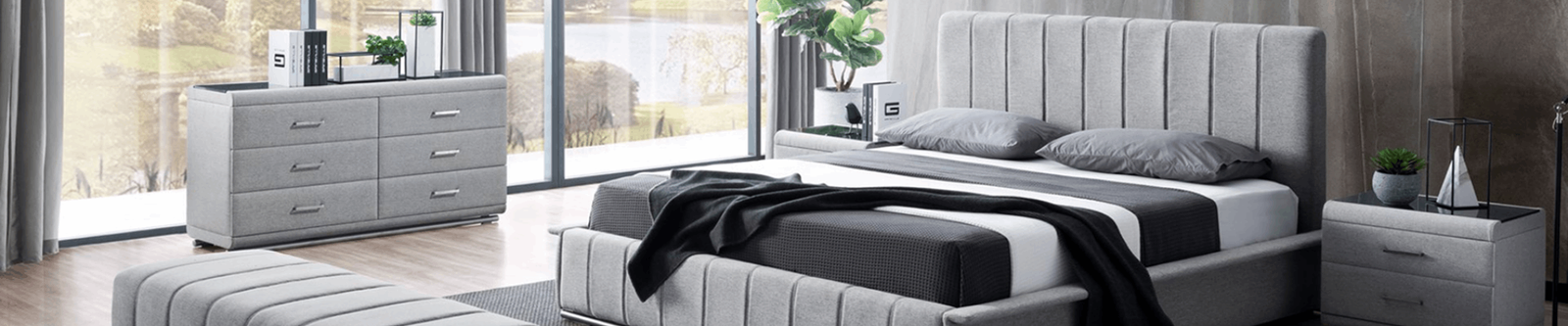

In the rapidly evolving world of B2B furniture commerce, 2026 brings a new set of challenges and opportunities for global importers. As the demand for high‑quality, customizable, and sustainably produced pieces rises, furniture exporters must adapt their strategies to stay competitive. This guide delves into the most critical trends, supply‑chain innovations, and partnership models that will define the wholesale landscape this year, with practical insights for importers seeking reliable partners such as a leading furniture manufacturer in China.
1. The Shift Toward Customization and Modular Design
Modern consumers value personal expression over generic décor, and this mindset filters directly to the B2B market. Importers are receiving increasing requests for:
- Modular sofas that can be re‑configured for different room layouts.
- Adjustable storage solutions—think storage ottoman wholesale options that double as seating and hidden compartments.
- Custom‑finished entryway benches that match specific interior palettes, such as a custom entryway bench with bespoke upholstery.
To meet these demands, manufacturers are investing in flexible production lines, CNC‑driven cutting tables, and digital design tools that allow rapid prototyping. Importers who partner with facilities that embrace these technologies can offer faster turn‑times, lower MOQ (minimum order quantities), and a broader product catalog without sacrificing margin.
Why Modular Matters for Wholesale Buyers
Modular products reduce inventory risk. Instead of stocking several distinct models, a retailer can keep a core set of interchangeable components. When seasonal trends shift, the same components can be recombined into new configurations, extending the lifecycle of each SKU. This approach also aligns with sustainability goals—fewer unsold units mean less waste.
2. Sustainability as a Non‑Negotiable Requirement
Environmental responsibility is no longer a niche selling point; it’s a baseline expectation. Importers are scrutinizing every step of the supply chain for carbon footprints, certifications, and waste management practices. Key sustainability drivers include:
- Forest Stewardship Council (FSC) certified wood: Guarantees legal and responsibly sourced timber.
- Low‑VOC finishes: Improve indoor air quality and comply with stricter regulations in Europe and North America.
- Recyclable packaging: Reduces landfill contributions and lowers shipping weight.
Partnering with an experienced furniture manufacturer in China that already adheres to these standards can streamline certification processes for importers, saving both time and compliance costs.
Implementing a Green Sourcing Checklist
When evaluating potential suppliers, use a checklist that covers:
- Material sourcing documentation (e.g., FSC chain‑of‑custody certificates).
- Energy consumption data for manufacturing facilities.
- End‑of‑life strategies, such as take‑back programs or recycled material reuse.
- Third‑party audit reports (e.g., BSCI, SEDEX).
Documenting these elements not only satisfies buyer requirements but also reinforces brand reputation among eco‑conscious end‑customers.
3. Digital Integration: From Order to Delivery
The digital transformation of wholesale procurement has accelerated. Importers now expect end‑to‑end visibility through integrated platforms that handle everything from CAD‑based design approvals to real‑time shipping updates. Critical components of a successful digital ecosystem include:
- Online product configurators: Allow buyers to customize dimensions, finishes, and hardware in a visual interface.
- API‑driven ERP integration: Sync order data directly into inventory management systems, minimizing manual entry errors.
- IoT‑enabled logistics: Provide temperature, humidity, and location tracking for delicate items like upholstered ottomans.
Leading exporters have begun offering white‑label versions of these tools, enabling importers to embed the configurator within their own e‑commerce portals. This not only shortens the sales cycle but also creates a data‑rich environment for forecasting demand.
Case Study: Streamlined Order Flow for a North American Retail Chain
A mid‑size retailer in the United States partnered with a Chinese manufacturer that offered an API‑linked ordering system. The retailer could upload a CSV of SKUs, automatically receive real‑time production status, and generate a digital Bill of Lading that integrated with their own warehouse management software. The result was a 22% reduction in order‑to‑ship time and a 15% drop in shipping‑related errors.
Conclusion: Positioning Your Business for 2026 Success
As the wholesale furniture market evolves, the most successful importers will be those who align with manufacturers capable of delivering customization, sustainability, and digital transparency. By selecting a partner that offers robust storage ottoman wholesale capabilities, a versatile custom entryway bench line, and a proven track record as a leading furniture manufacturer in China, you can meet emerging buyer expectations while protecting margins.
Take the next step today: review your supplier criteria against the trends outlined above, request digital integration demos, and request sustainability documentation. The wholesale opportunities of 2026 are waiting—position your business to capture them now.