
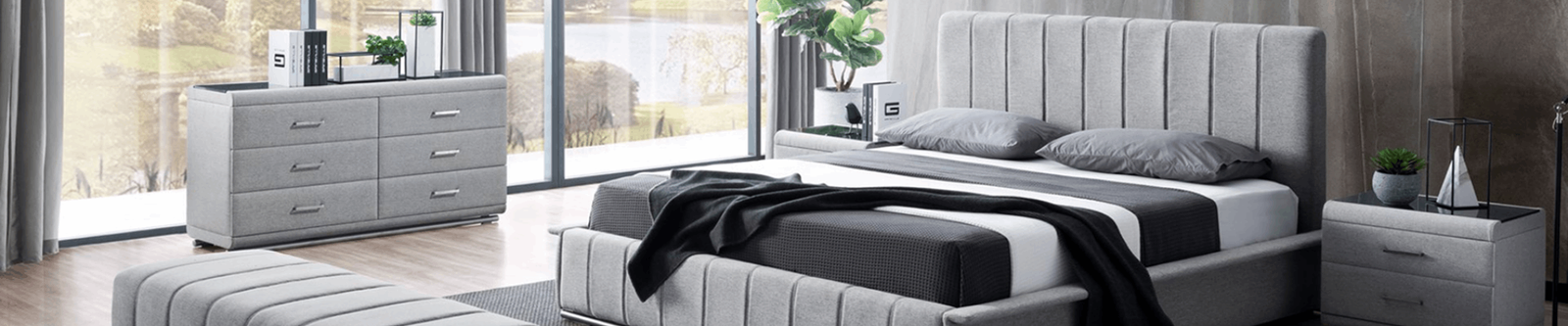

As global demand for high‑quality, affordable furniture continues to rise, importers are seeking reliable partners who can deliver innovative designs at scale. In 2026, the wholesale market is being reshaped by three core forces: sustainability, modularity, and rapid customization. For businesses that specialize in furniture import, understanding these trends—and aligning with a reputable furniture manufacturer in China—can be the difference between staying competitive and falling behind.
1. Sustainable Design Becomes Non‑Negotiable
Eco‑friendly materials are no longer a niche selling point; they are now a baseline requirement for most B2B buyers. Importers are asked to provide:
- Certified low‑VOC finishes that comply with storage ottoman wholesale standards in North America and Europe.
- Reclaimed or responsibly sourced wood that carries FSC or PEFC certification.
- Recyclable packaging that reduces waste and lowers shipping costs.
Manufacturers who have integrated closed‑loop production lines can offer lower carbon footprints while maintaining price competitiveness. Fuzhou Victor Furniture has invested in a water‑based coating system that meets LEED requirements, allowing importers to market their products as both premium and green.
Why Sustainability Drives Profitability
Retailers are increasingly transparent about their supply chains. When a product carries verifiable sustainability credentials, it commands higher retail margins and encourages repeat orders. Additionally, many Western retailers now require suppliers to submit ESG (Environmental, Social, Governance) reports as part of the onboarding process. Partnering with a manufacturer that already complies with these standards streamlines due diligence and accelerates time‑to‑market.
2. Modularity & Multi‑Functionality Lead the Market
Space‑constrained consumers—especially in urban apartments—are driving demand for furniture that adapts to multiple uses. Two product categories dominate this trend:
- Storage Ottomans: Combining seating, hidden storage, and aesthetic appeal, these pieces serve as footrests, coffee tables, or even pet beds.
- Entryway Benches: Offering seating, coat hooks, and storage cubbies in one compact footprint, they transform narrow hallways into functional zones.
Both categories benefit from modular construction, allowing importers to request variations in height, depth, and interior compartments without re‑tooling the entire production line. This flexibility reduces SKU proliferation while meeting diverse market preferences.
Case Study: Custom Entryway Bench Success
One of our long‑term partners, a European retailer, needed a custom entryway bench that could be shipped flat‑packed and assembled on‑site with just two screws. By leveraging our CNC‑cut technology, we delivered a design that:
- Reduced shipping volume by 30%.
- Cut assembly time to under five minutes.
- Maintained a load‑bearing capacity of 150 kg.
The retailer reported a 22% sales uplift in the first quarter after introducing the bench, attributing the success to its sleek look, easy assembly, and the ability to offer colour customizations per season.
3. Rapid Customization Powered by Digital Manufacturing
In 2026, digital tools—such as 3D rendering, virtual sampling, and AI‑driven demand forecasting—enable importers to place small, precise orders without sacrificing lead‑time. Key advantages include:
- Real‑time 3D visualisation: Buyers can view the exact finish, hardware, and upholstery before production.
- On‑demand colour swatches: Digital printing of fabric and veneer samples reduces the need for physical inventory.
- AI‑optimized PO quantities: Predictive analytics advise the optimal order size to avoid over‑stocking while meeting seasonal spikes.
Our factory integrates a cloud‑based PLM (Product Lifecycle Management) system that syncs directly with importer ERP systems, ensuring every change—whether a new handle style or a different leg finish—is captured instantly and reflected in the production schedule.
Implementing a Seamless Order Flow
To take advantage of rapid customization, importers should follow a three‑step workflow:
- Design Confirmation: Use our 3D configurator (linked on the product page) to finalize dimensions, materials, and hardware.
- Sample Approval: Request a “quick‑turn” prototype, typically delivered within 7‑10 days for verification.
- Production Trigger: Submit the final PO through the integrated portal, where AI forecasts suggest the most cost‑effective order quantity.
This process reduces the average lead‑time from 45 days (traditional) to 28 days, a crucial advantage for seasonal collections.
Strategic Benefits of Partnering with a Trusted Manufacturer
Beyond product quality, a solid partnership offers several strategic perks:
- Consistent Pricing: Volume‑based contracts lock in rates, shielding importers from raw‑material volatility.
- Quality Assurance: Our ISO 9001‑certified QA team conducts third‑party testing for fire resistance, load capacity, and finish durability.
- After‑Sales Support: Dedicated account managers provide on‑site training for assembly teams and handle warranty claims efficiently.
Choosing a manufacturer that already serves a broad portfolio of international brands reduces the risk of compliance issues, customs delays, and unexpected quality failures.
Why Fuzhou Victor Furniture Stands Out
With over 15 years of experience exporting to North America, Europe, and the Middle East, furniture manufacturer in China Victor has the infrastructure to support high‑volume wholesale orders while maintaining flexibility for bespoke projects. Our capabilities include:
- In‑house upholstery workshops for a variety of fabrics and leathers.
- Advanced CNC routing for precision joinery in storage ottoman and entryway bench components.
- Dedicated export compliance team versed in REACH, CPSIA, and BSCI standards.
Importers who have transitioned to Victor report an average cost reduction of 12% and a 15% improvement in on‑time delivery rates.
Practical Steps for Importers Ready to Scale in 2026
To capitalize on the trends outlined above, follow this actionable roadmap:
- Audit Current Supplier Base: Identify gaps in sustainability certifications and modular design capabilities.
- Engage a Trusted Manufacturer: Reach out to Victor for a catalogue of storage ottoman wholesale options and request a custom entryway bench sample.
- Integrate Digital Tools: Connect your ERP with our PLM portal to enable real‑time order tracking and AI‑driven forecasting.
- Launch a Pilot Collection: Start with a limited‑run of modular pieces, gather retailer feedback, and iterate using the rapid prototyping cycle.
- Scale Strategically: Use the data from the pilot to negotiate larger volume contracts, locking in pricing and delivery windows for the upcoming fiscal year.
By aligning your sourcing strategy with the 2026 wholesale furniture landscape, you position your brand as a forward‑thinking leader capable of delivering the sustainable, modular, and customizable products that today’s consumers demand.
Conclusion
The wholesale furniture market in 2026 rewards partners who can blend sustainability, modular design, and rapid customization without compromising on cost or quality. Fuzhou Victor Furniture offers a proven platform—backed by certifications, digital integration, and a track record of successful global exports—to help importers meet these expectations. Whether you are seeking storage ottoman wholesale solutions, a custom entryway bench that fits tight hallways, or a reliable furniture manufacturer in China for your entire catalog, now is the time to act. Contact Victor today for a personalized quote and start your 2026 growth journey.