
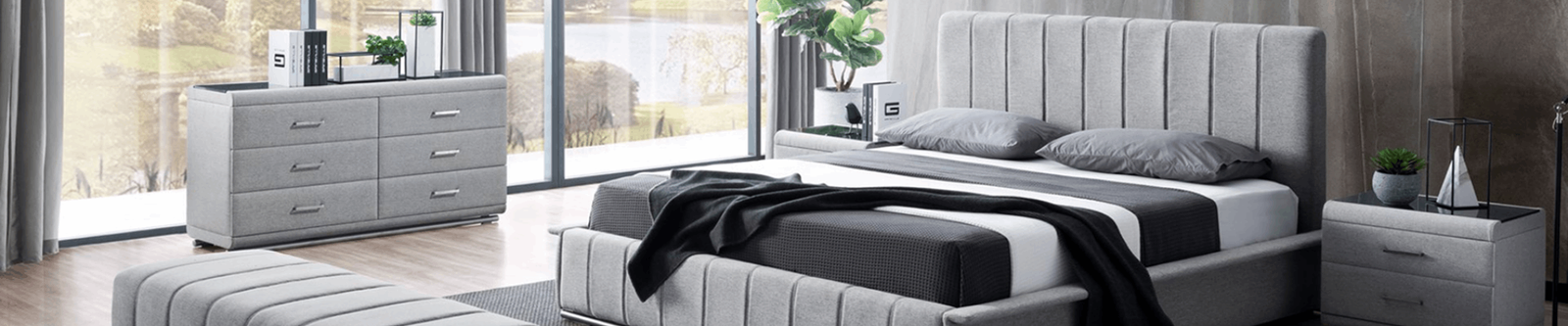

2026 Wholesale Furniture Trends: A Guide for Global Importers
As the world emerges from a decade of rapid change, the furniture export market is poised for a new wave of growth. For importers seeking reliable partners, understanding the macro‑level trends that will shape demand in 2026 is essential. This article provides a data‑driven overview of the most influential forces—design, sustainability, and technology—while illustrating how furniture manufacturer in China Victor Furniture is uniquely positioned to help you stay ahead of the curve.
1. Design Evolution: From Statement Pieces to Functional Minimalism
Consumers worldwide are redefining how they use space. Post‑pandemic lifestyles have shifted emphasis from large, decorative items to versatile, space‑saving solutions. Three sub‑trends dominate the design landscape in 2026:
a. Multi‑Purpose Modular Systems
Modular sofas, adjustable shelving, and fold‑out workstations are no longer niche; they are core to residential and commercial portfolios. Importers should prioritize manufacturers who can produce standardized modules that can be combined in countless configurations, allowing retailers to offer a ‘design‑your‑own’ experience without inflating inventory costs.
b. Natural Materials with a Refined Finish
While solid wood continues to enjoy popularity, the market is gravitating toward reclaimed timber, bamboo, and rattan with sleek, lacquered finishes. These materials satisfy aesthetic cravings while meeting stricter environmental standards. For importers, sourcing from factories that hold FSC or PEFC certifications provides a competitive edge in regions such as Europe and North America.
c. Accent Pieces that Double as Storage
Small‑space living fuels demand for accent furniture that conceals clutter. This includes items like storage ottoman wholesale solutions, hidden‑drawer coffee tables, and decorative trunks. Products that blend form and function are likely to outperform pure‑decor items in both sales velocity and margin.
2. Sustainability: From Green Claims to Measurable Impact
Eco‑conscious buying is no longer a trend; it is a baseline expectation. Importers must verify that their supplier partners can deliver transparent, quantifiable sustainability data.
a. Carbon‑Neutral Manufacturing
Factories are adopting renewable energy, waste‑heat recovery, and carbon offset programs. A credible supplier should provide third‑party verified carbon footprints for each product line, enabling retailers to communicate precise CO₂ savings to end‑consumers.
b. Circular Economy Practices
Closed‑loop initiatives—such as offering take‑back programs for end‑of‑life furniture and using recycled composites for structural components—are gaining traction globally. Importers who partner with manufacturers offering these services can differentiate their catalogues and meet emerging regulatory mandates, especially in the EU.
c. Non‑Toxic Finishes
Low‑VOC paints, water‑based adhesives, and formaldehyde‑free laminates are now required by many major retailers. Sourcing from a plant that maintains strict indoor‑air‑quality standards reduces liability and simplifies compliance across multiple markets.
3. Technology & Supply Chain Optimization
Technology is the backbone of modern wholesale operations. From design to delivery, digital tools enable faster lead times, better inventory control, and richer product storytelling.
a. 3D Visualization and Augmented Reality
Buyers increasingly expect interactive product experiences. Partnering with a manufacturer that provides high‑resolution 3D models, .glb files, and AR‑ready assets helps retailers integrate virtual try‑outs on their e‑commerce platforms, reducing return rates and boosting conversion.
b. Automated Production & Quality Assurance
Smart CNC machinery, robotics, and AI‑driven quality inspection reduce human error and improve consistency. Importers should request data logs that demonstrate defect rates below 0.5% and traceability from raw material to finished product.
c. Transparent Logistics Platforms
Real‑time shipment tracking, blockchain‑based provenance, and predictive analytics for demand forecasting empower importers to manage inventory more efficiently. A supplier that integrates with leading TMS (Transportation Management Systems) can shorten lead times from 45 days to under 30 days for high‑volume SKUs.
Why Victor Furniture Is the Strategic Partner You Need
Victor Furniture combines decades of expertise with cutting‑edge capabilities, making it the ideal furniture manufacturer in China for global importers seeking to capitalize on 2026 trends.
- Design Flexibility: Our R&D team collaborates with international designers to create modular collections, natural‑material finishes, and multifunctional pieces such as the custom entryway bench that can be configured as a seating wall, storage unit, or display platform.
- Sustainability Leadership: All our factories are powered by 30% renewable energy, hold ISO 14001 certification, and provide full carbon‑footprint reports for every SKU.
- Technology Integration: We supply 3D CAD files, AR‑ready assets, and API access to our ERP for seamless order processing and real‑time inventory visibility.
- Competitive Pricing: By leveraging economies of scale and lean manufacturing, we offer wholesale rates that enable healthy margins for our partners without compromising quality.
Whether you are launching a new line of eco‑friendly living room sets or expanding your portfolio with space‑saving accent furniture, Victor Furniture’s end‑to‑end service—from concept to delivery—ensures you meet market demand swiftly and sustainably.
Practical Steps for Importers to Leverage 2026 Trends
To translate the above insights into profitable actions, follow this three‑phase roadmap:
Phase 1: Market Analysis & SKU Selection
- Identify top‑selling categories in your target regions (e.g., modular sofas in the U.S., reclaimed timber dining sets in Europe).
- Map each category to the three design, sustainability, and technology criteria discussed above.
- Select a pilot SKU—such as a storage ottoman wholesale model—that satisfies all three pillars.
Phase 2: Supplier Qualification & Sample Validation
- Request a factory audit report and sustainability certificates from potential partners.
- Obtain 3D renderings and physical samples for tactile evaluation.
- Conduct a fit‑for‑purpose test: durability (ISO 10557), VOC emissions (GREENGUARD), and logistics (container loading efficiency).
Phase 3: Launch, Monitor, and Optimize
- Integrate AR assets into your e‑commerce site to enhance buyer confidence.
- Set up a real‑time dashboard that tracks order status, carbon‑offset contributions, and sell‑through rates.
- Iterate design based on consumer feedback – for example, adding removable fabric covers to the bench for seasonal color updates.
By systematically applying this framework, importers can minimize risk, accelerate time‑to‑market, and capture premium pricing for products that meet modern consumer expectations.
Conclusion
2026 will reward those who blend compelling design, verifiable sustainability, and seamless technology. As the global demand for stylish yet responsible furniture rises, the right supply partner becomes the cornerstone of success. Victor Furniture offers a proven track record, innovative product development, and a transparent, green‑focused manufacturing process that aligns perfectly with the trends outlined above.
Ready to future‑proof your catalogue? Contact Victor Furniture today and unlock competitive wholesale pricing, rapid lead times, and a partnership built on quality and trust.