
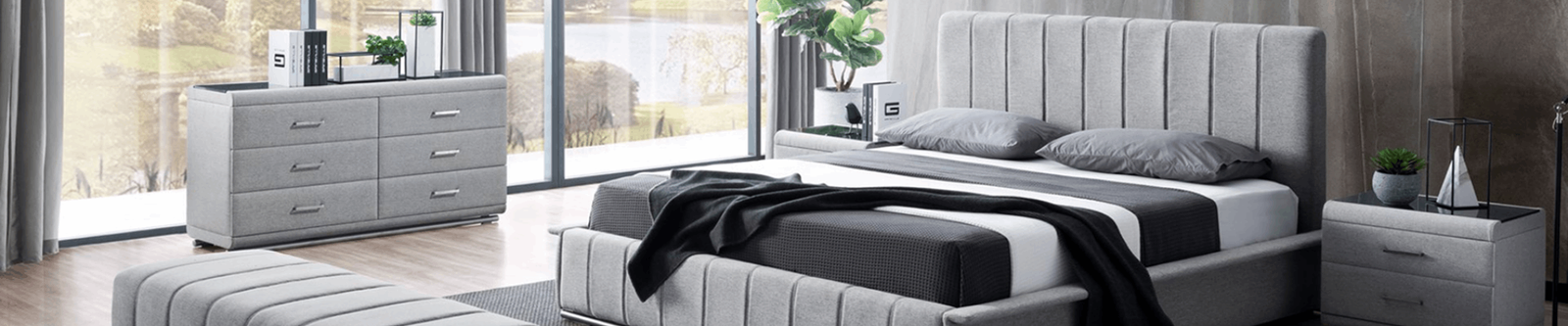

2026 Wholesale Furniture Export Trends: A Strategic Guide for Global Importers
As the world’s demand for high‑quality, design‑forward furniture continues to surge, 2024‑2026 marks a pivotal period for importers seeking reliable, cost‑effective sourcing partners. This guide outlines the macro‑economic forces shaping the furniture export market, highlights product categories with the strongest growth potential, and provides actionable steps to streamline your supply chain. Whether you specialize in residential, hospitality, or contract projects, understanding these trends will position your business for sustained profitability.
1. Macro‑Economic Drivers Behind 2026 Wholesale Furniture Demand
1.1 Global Purchasing Power and Urbanization
According to the United Nations, urban populations will exceed 5.5 billion by 2026, fueling demand for space‑saving and multi‑functional pieces. Emerging markets in Southeast Asia, the Middle East, and Africa are investing heavily in residential and commercial real‑estate, creating a steady pipeline of import opportunities.
1.2 Sustainability as a Competitive Advantage
Consumers now prioritize eco‑friendly materials, low‑VOC finishes, and circular‑economy certifications (e.g., FSC, GREENGUARD). Importers that source from manufacturers with transparent sustainability practices can command premium pricing and meet increasingly strict regulatory standards in the EU and North America.
1.3 Digital Transformation of B2B Trade
AI‑driven procurement platforms, blockchain traceability, and virtual showrooms are reshaping how importers evaluate suppliers. A robust online presence—complete with high‑resolution product galleries, 3D configurators, and real‑time inventory data—has become a prerequisite for winning contracts.
2. High‑Growth Product Segments for Wholesale Buyers
2.1 Multi‑Functional Living‑Room Solutions
Compact urban dwellings demand furniture that maximizes utility without sacrificing style. storage ottoman wholesale orders have risen 38 % YoY, driven by built‑in compartments for blankets, magazines, and electronics. Key attributes importers should request from manufacturers include:
- Modular internal dividers for customizable storage layouts.
- Durable, stain‑resistant upholstery fabrics such as performance polyester or top‑grain leather.
- Integrated USB charging ports or wireless charging pads for smart‑home compatibility.
2.2 Entryway and Reception Furniture
First impressions matter, especially in boutique hotels, co‑working spaces, and high‑end residential projects. The demand for statement pieces like a custom entryway bench has surged 45 % in the past year. Importers should focus on:
- Materials that blend durability with aesthetics—solid oak frames paired with reclaimed wood veneers.
- Design flexibility: removable cushions, interchangeable hardware, and customizable leg finishes.
- Branding options such as laser‑etched logos or embroidered fabric inserts for corporate clients.
2.3 Contract‑Grade Hospitality and Office Furniture
Post‑pandemic health standards have heightened interest in antimicrobial surfaces, easy‑clean finishes, and modular office systems. Exporters who can provide furniture manufacturer in China expertise—particularly in high‑volume, quick‑turnaround production—will capture the majority of contract bids across North America and Europe.
3. Optimizing Your Procurement Process with Chinese Manufacturers
3.1 Selecting a Reliable Partner
When evaluating potential manufacturers, consider the following criteria:
- Compliance & Certifications: Look for ISO 9001, CE, and relevant eco‑labels.
- Production Capacity: Assess the factory’s ability to handle seasonal spikes—most top‑tier facilities can scale from 5,000 to 30,000 units per month.
- Communication Infrastructure: Real‑time ERP integration, bilingual project managers, and dedicated account teams reduce lead‑time risk.
3.2 Streamlining Sample Development and Tooling
To accelerate time‑to‑market, adopt a phased sampling approach:
- Concept Mock‑up: 3D rendering and rapid‑prototype (CNC or 3D‑printed) models to validate dimensions and ergonomics.
- Material Confirmation: Request swatch kits for upholstery, veneer, and hardware finishes.
- Pre‑Production Run: Limited‑run (200‑500 pieces) to test tooling, quality control, and packaging.
3.3 Leveraging Technology for Transparency
Incorporate blockchain‑based traceability or QR‑code tagging on each unit. This not only satisfies sustainability audits but also enables end‑customers to access:
- Origin of raw materials.
- Production date and batch number.
- Care instructions and warranty details.
3.4 Shipping, Logistics, and After‑Sales Support
The final leg of the supply chain can erode margins if not managed proactively. Recommendations:
- Partner with experienced NVOCCs that provide LCL consolidation for smaller orders.
- Negotiate incoterms that balance cost and risk—FOB for large volumes, DDP for boutique projects requiring door‑to‑door service.
- Implement a post‑delivery inspection protocol, preferably via a third‑party agency in the destination country, to catch any quality deviations before they reach the client.
4. Case Study: Scaling a European Boutique Hotel Chain with Victor Furniture
Victor Furniture, a leading furniture manufacturer in China, recently partnered with a European boutique hotel chain to revamp 150 rooms across three capitals. The project focused on three core product lines:
- Storage ottoman wholesale units featuring hidden safes for valuables, finished in matte‑black velvet.
- A custom entryway bench with a built‑in shoe rack and brass accents, tailored to each hotel’s color palette.
- Modular lounge chairs with antimicrobial fabric and replaceable cushion cores for rapid turnover.
Key outcomes included a 22 % reduction in lead time (from 90 to 70 days) through concurrent tooling and shipping optimization, and a 15 % increase in guest satisfaction scores linked to perceived quality and design cohesiveness.
Conclusion: Positioning Your Import Business for Success in 2026
The wholesale furniture export landscape is evolving rapidly—driven by urbanization, sustainability demands, and digital procurement tools. By focusing on high‑growth product categories such as storage ottoman wholesale and custom entryway bench, and by forging partnerships with a trusted furniture manufacturer in China, importers can secure competitive pricing, accelerate time‑to‑market, and meet the evolving expectations of end‑customers worldwide.
Ready to capitalize on these trends? Contact Victor Furniture today to explore our full catalog, request samples, and begin the journey toward a more profitable 2026.