
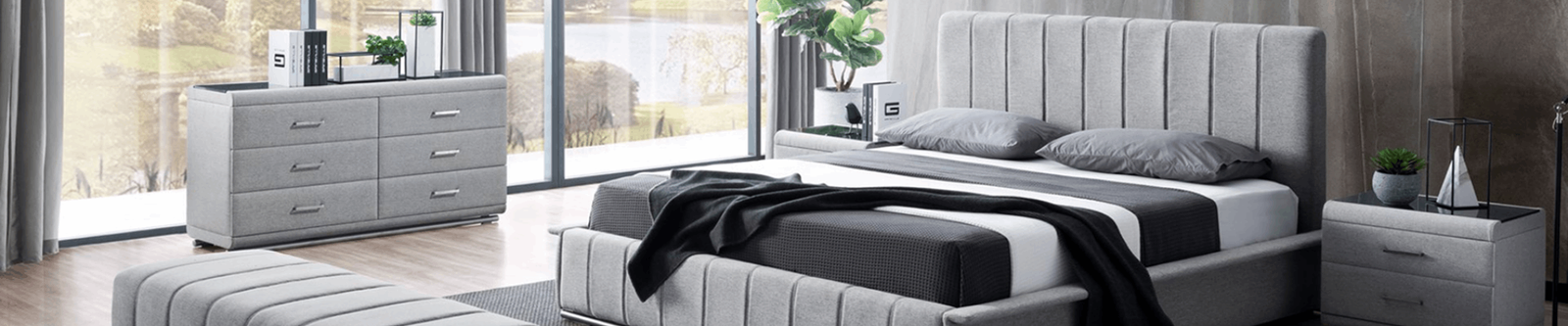

Meta Description: Discover the elegance of pleated ottomans—design ideas, material guide, placement tips, and buying advice for lasting style and comfort.
Introduction
When it comes to elevating a living space, the pleated ottoman has emerged as a subtle yet powerful design element. Combining the classic appeal of fabric pleats with modern functionality, this versatile piece can serve as a footrest, extra seating, or even hidden storage. For homeowners and interior designers alike, understanding the nuances of pleated ottomans—style, material, and placement—ensures a purchase that enhances both aesthetics and everyday comfort.
1. Design Elements That Make Pleated Ottomans Stand Out
Classic pleat styles
Traditional pleated ottomans draw inspiration from vintage upholstery, featuring evenly spaced, accordion‑style folds that add texture without overwhelming a room. These pleats are typically sewn into a sturdy base of cotton or linen, creating a crisp silhouette that pairs well with both traditional and transitional décor. The subdued depth of classic pleats adds visual interest while maintaining a timeless look that can adapt to seasonal updates.
Modern twists
Contemporary designers have reinvented the pleat by experimenting with asymmetrical folds, oversized panels, and mixed‑media fabrics. Think bold geometric pleats in velvet or metallic‑threaded upholstery that catches the light. These modern interpretations transform the ottoman from a functional footrest into a statement piece, capable of anchoring an open‑plan living area or adding a pop of pattern to a minimalist setting.
2. Choosing the Right Materials and Fabrics
Durable fabrics for high‑traffic areas
For families or spaces that see heavy use, durability is paramount. Look for pleated ottomans upholstered in performance fabrics such as solution‑dyed polyester, microfiber blends, or treated cotton canvas. These materials resist stains, fading, and pilling—common concerns for pieces with exposed seams. A tightly woven base also helps the pleats maintain their shape over time, ensuring the ottoman continues to look crisp after years of use.
Luxury options for a refined feel
If the goal is pure indulgence, consider natural fibers like silk, high‑grade linen, or plush velvet. These fabrics drape beautifully over the pleated structure, creating a soft, inviting surface. Pairing a luxurious fabric with a solid hardwood or metal frame adds structural integrity while delivering the tactile comfort that premium interiors demand. Remember to ask about protective treatments or removable covers for easier maintenance.
3. Placement, Function, and Styling Tips
Where to place a pleated ottoman
Strategic placement can multiply the impact of a pleated ottoman. In a living room, position it opposite a sofa to create a balanced conversation zone. In smaller apartments, a compact pleated ottoman can double as a coffee table when paired with a tray, offering a surface for books or beverages. When used in a bedroom, place it at the foot of the bed for a layered look that adds height and softness to the floor.
Multi‑functional uses
Beyond footrest duties, pleated ottomans excel in storage solutions. Many models incorporate hidden compartments accessible via a lift‑top or removable cushion, perfect for blankets, magazines, or toys. Some designs even feature built‑in USB charging ports or Bluetooth speakers, turning the ottoman into a tech‑friendly hub. Evaluate your lifestyle needs and select a model that blends form with function.
Conclusion
The pleated ottoman is more than a decorative accessory; it is a flexible, style‑forward investment that can adapt to evolving interior trends. By focusing on design details, selecting appropriate fabrics, and considering strategic placement, you can choose an ottoman that delivers lasting comfort, visual intrigue, and practical benefits. At fzvictor.com, our curated collection showcases the finest pleated ottomans—each crafted to meet rigorous quality standards while offering design flexibility for any home.