
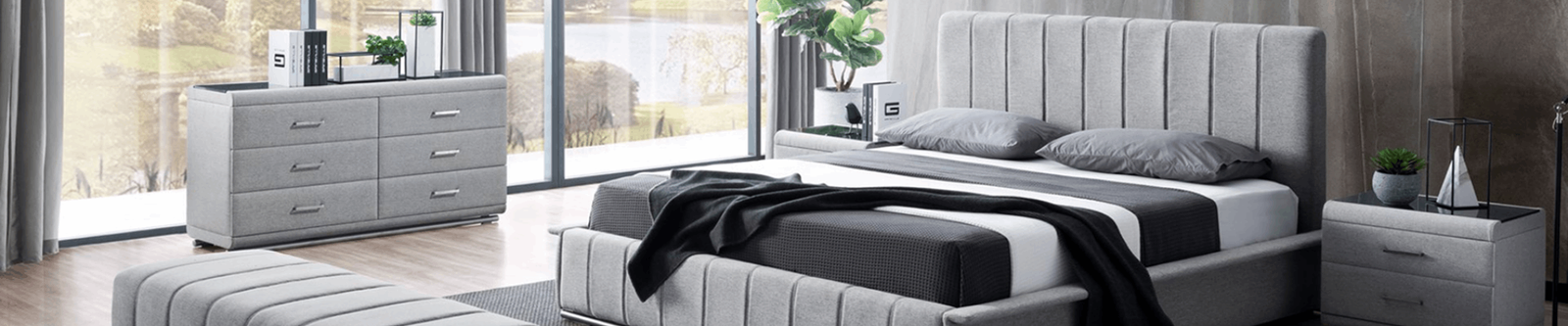

Why a Fringe Footstool Deserves a Spot in Your Home
Footstools are more than just a place to rest tired feet; they function as decorative anchors that can transform the vibe of a room. When the footstool features fringe detailing, it instantly adds texture, movement, and a hint of understated luxury. The fringe acts like a visual ripple, catching the eye without overwhelming the space. For homeowners who crave a blend of comfort and bohemian flair, a fringe footstool is the perfect compromise.
Choosing the Right Fringe Footstool
1. Material Matters
Look for high‑quality upholstery that can support regular use while showcasing the fringe beautifully. Common options include:
- Natural leather – ages gracefully and gives a sleek, modern edge.
- Soft woven fabrics such as cotton, linen, or velvet – enhance the tactile experience of the fringe.
- Eco‑friendly faux leathers – provide durability and easy maintenance for busy households.
2. Size & Scale
Measure the space where you plan to place the footstool. A well‑scaled piece should complement existing furniture without dominating the room. As a rule of thumb:
- For a single‑seat sofa, choose a footstool that is 18–22 inches high.
- If the piece will serve as a side chair, aim for a height of 24–28 inches and a seat width of at least 18 inches.
- Keep the fringe length proportional – 2–4 inches works well for compact rooms, while 5–7 inches can become a statement in larger spaces.
3. Style Compatibility
Fringe footstools can adapt to multiple décor aesthetics:
- Boho‑chic – Pair with layered rugs, macramé wall hangings, and earthy tones.
- Mid‑century modern – Choose a sleek wooden frame with a muted fringe in mustard or teal.
- Industrial – Opt for a metal base and leather upholstery, letting the fringe soften the gritty vibe.
Styling Your Fringe Footstool for Maximum Impact
Living Room Harmony
Place the footstool in a corner opposite the main sofa to create a balanced visual triangle. Add a soft throw blanket draped over the top for extra coziness, and coordinate the blanket color with the fringe hue for a cohesive look.
Bedroom Zen
Using a fringe footstool at the foot of the bed introduces a subtle design layer without cluttering the space. Pair it with a simple nightstand and a low‑profile lamp. The fringe’s gentle movement can even serve as a calming focal point before bedtime.
Outdoor Oasis
Many manufacturers now offer fringe footstools crafted from weather‑resistant wicker or resin. Position one on a patio set, surround it with potted succulents, and enjoy the breezy dance of the fringe as the wind rolls through.
Maintenance & Care: Keeping the Fringe Fresh
Regular Dusting
Because fringe creates many tiny crevices, a soft‑bristled brush or a handheld vacuum with a brush attachment is ideal for removing dust. Do this once a week to prevent buildup.
Spot Cleaning
For fabric footstools, use a mild upholstery cleaner and a clean white cloth. Gently blot—do not rub—to avoid pulling the fringe threads. Leather finishes can be wiped with a damp cloth followed by a leather conditioner to maintain suppleness.
Seasonal Deep Clean
Every 3–4 months, give the footstool a more thorough treatment:
- Lay it flat on a clean surface.
- Use a soft brush to loosen any hidden debris.
- Apply a fabric‑safe spray or leather balm, depending on material.
- Allow it to air dry completely before moving it back to its spot.
Storing the footstool in a cool, dry area during harsh winters will prevent premature cracking of leather or fading of fabrics.
Conclusion
A fringe footstool is a versatile accent that marries comfort with artistic flair. By selecting the right material, size, and style, and by following simple care routines, you can enjoy its textured elegance for years to come. Whether placed in a living room, bedroom, or outdoor lounge, the fringe footstool invites you to sit, relax, and appreciate the subtle movement that only quality design can provide.