
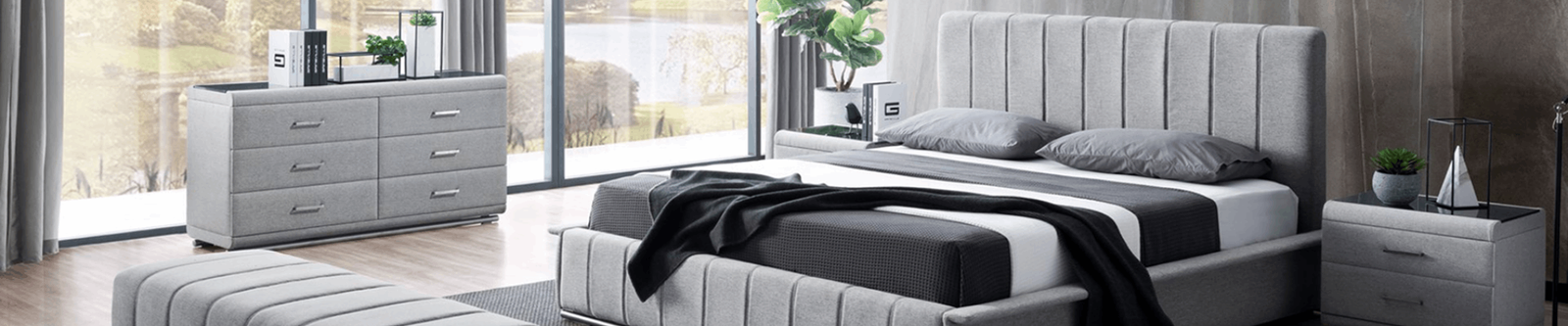

What Is a Buttoned Bench Seat?
A buttoned bench seat is a built‑in upholstered bench that features rows of decorative buttons—often called button tufting—running across the backrest or the seat cushion. Originally popular in Victorian and Edwardian interiors, the style has been revived in contemporary design for its ability to add texture, depth, and a sense of craftsmanship to any room.
Historical Roots
The button‑tufted look emerged in late‑19th‑century England as a way to hide seams and provide added comfort. Early examples were found in high‑end parlors, church pews, and railway carriages. Over time, the technique migrated to domestic furniture, becoming a hallmark of coach‑style seating that evokes both elegance and nostalgia.
Key Visual Features
- Uniform rows of fabric‑covered buttons, typically 1‑2 inches in diameter.
- Deep buttoning creates a three‑dimensional pattern that catches light.
- Often paired with rolled arms, nailhead trim, or wooden legs for a finished look.
Design, Materials, and Comfort
Choosing the right design and material is essential to ensure that a buttoned bench seat not only looks stunning but also stands up to daily use.
Upholstery Fabrics
Modern manufacturers offer a wide palette of fabrics, from classic cotton damask to performance microfiber. When selecting upholstery, keep these factors in mind:
- Durability: Look for fabrics with a high rub count (10,000+) if the bench will see heavy traffic.
- Maintenance: Stain‑resistant blends and removable covers simplify cleaning.
- Style Compatibility: A subtle linen works well in a coastal home, whereas a plush velvet adds drama to a formal dining room.
Frame Construction
A solid hardwood frame—such as oak, maple, or mahogany—provides the strength needed for deep buttoning without sagging. Some budget‑friendly models use engineered wood with reinforced joints, but always verify the weight rating before purchase.
Padding and Comfort
High‑density foam wrapped in a layer of feather or down blend delivers a plush feel while retaining its shape. For those who prefer firmer seating, a single‑layer foam core with a polyester fiberfill overlay offers support without excessive bounce.
Buying Guide: How to Choose the Perfect Buttoned Bench Seat
Investing in a buttoned bench seat is a long‑term decision. Follow this step‑by‑step guide to make a confident choice.
1. Measure Your Space Accurately
Start with the width of the wall or window where the bench will sit. Typical bench lengths range from 48 inches to 96 inches. Ensure you leave at least 2 inches of clearance on each side for easy access.
2. Determine the Function
Will the bench serve as a dining nook, a hallway console, or a bedroom seating area? Function influences height (standard seat height is 18‑20 inches) and backrest style—full back, low back, or no back at all.
3. Match Existing Décor
Consider the room’s palette, wood tones, and architectural details. If your home features exposed brick and industrial lighting, a buttoned bench with a black metal frame can create a striking contrast. In a traditional setting, opt for a painted wood frame with classic nail‑head trim.
4. Test the Buttoning Quality
High‑quality button tufting is tight and evenly spaced. Gently press each button; it should stay flush without pulling out. Loose or uneven buttons often indicate rushed manufacturing.
5. Review Warranty and Return Policies
Reputable retailers offer at least a 2‑year warranty covering upholstery defects and frame integrity. Verify the return window—ideally 30 days—so you have time to assess fit and comfort in your home.
Conclusion
A buttoned bench seat blends historic charm with modern comfort, making it a versatile addition to any interior. By understanding the design elements, selecting appropriate materials, and following a disciplined buying process, you can choose a piece that enhances both aesthetics and functionality for years to come. Ready to upgrade your space? Explore the curated collection at fzvictor.com and find the perfect buttoned bench seat that matches your style and budget.