
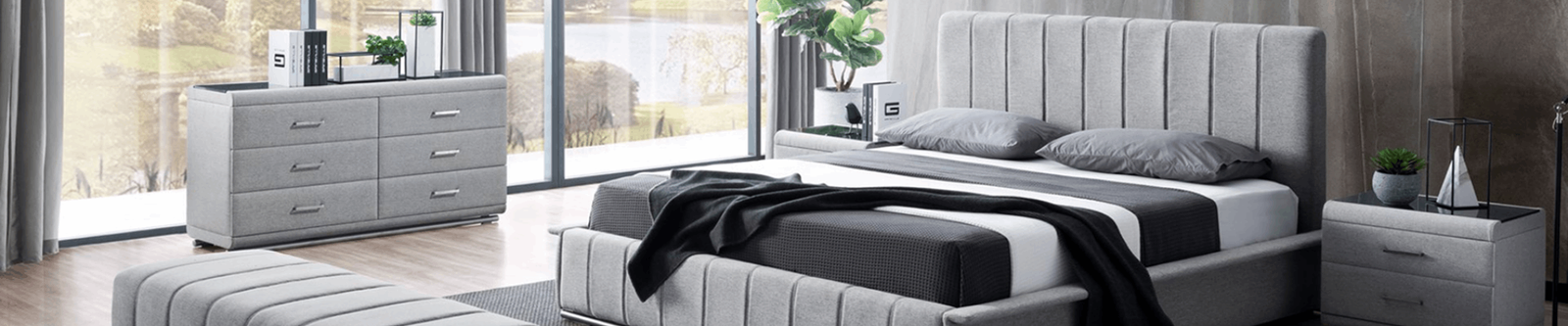

Introduction
When it comes to furnishing a living room, bedroom, or entryway, two versatile pieces constantly vie for attention: the ottoman and the bench. Both can serve as extra seating, storage, and decorative accents, yet they differ in form, function, and how they interact with a room’s layout. This guide breaks down the key distinctions so you can decide which option aligns best with your style, space, and daily needs.
Design & Aesthetics
Shape and Visual Impact
Ottoman: Typically low‑profile and rectangular, square, or round, an ottoman adds a soft, rounded silhouette that can soften sharp lines in a modern space or complement classic décor. Because it’s often upholstered, you can match it to a sofa, armchair, or rug for a cohesive look.
Bench
Bench: A bench usually stands taller, featuring a straight back or no back at all and a longer horizontal seat. Its linear form creates a strong visual anchor, making it ideal for entryways, dining tables, or under‑window seating arrangements.
Material Choices
- Ottomans: Upholstered fabrics, leather, tufted or woven textures; often include hidden compartments.
- Benches: Wood, metal, upholstered seats, or a combination of wood frame with cushion.
Consider the existing material palette of your home. If you already have plush upholstered sofas, a matching ottoman can enhance harmony. For a minimalist, industrial vibe, a sleek wooden or metal bench may make a stronger statement.
Comfort & Functionality
Seating Comfort
Ottomans are generally lower to the ground, making them perfect for footrests, casual perching, or kids’ play zones. Many feature soft cushioning that encourages lounging. Benches, with a higher seat height, provide full‑body seating that’s more ergonomic for dining or dressing.
Storage Potential
One of the most compelling advantages of an ottoman is its built‑in storage. A lift‑top or hinged lid can hide blankets, magazines, or toys, keeping clutter out of sight. Benches may also offer storage—often as a hollow seat—but this is less common and usually requires a removable cushion.
Multi‑Purpose Uses
- Ottoman: footrest, extra seat, coffee table substitute, pet bed, decorative platform.
- Bench: hallway seating, dining bench, bedroom dresser end, garden or porch perch.
Both pieces can be repurposed, but the ottoman’s lower height lends itself to casual, relaxed activities, while the bench’s upright stance supports more formal, task‑oriented uses.
Space & Versatility
Footprint and Placement
If you have a compact room, an ottoman’s compact, often square shape can fit snugly under a coffee table or beside a sofa without dominating the floor plan. A bench, because it stretches lengthwise, works best against a wall, under a window, or at the foot of a bed where its linear form can double as a storage chest.
Mobility
Ottomans are usually lighter and easier to move, especially those with fabric upholstery. Benches, particularly solid‑wood models, can be heavier, making relocation more of a project. For renters or frequently rearranged spaces, the ottoman may offer greater flexibility.
Design Flexibility
Both pieces can be mixed and matched with other furniture, but they excel in different contexts:
- Living‑Room Focus: Pair an ottoman with a sofa for a cohesive lounge area; add a bench if you need a side table or a place for guests to set bags.
- Entryway Elegance: A bench with a cushion invites guests to sit while putting on shoes, while a sleek ottoman can act as a bold accent piece next to a console.
- Bedroom Utility: A bench at the foot of the bed offers a spot for laying out clothes; an ottoman can store extra linens and serve as a night‑stand alternative.
Conclusion
Choosing between an ottoman and a bench ultimately hinges on three core considerations: design aesthetic, functional needs, and spatial constraints. If you prioritize soft, low‑profile comfort, hidden storage, and easy mobility, the ottoman is likely your best bet. If you need a taller seating solution that can double as a decorative anchor or a functional storage chest, a bench will serve you better. By evaluating the specific role each piece will play in your home, you can make an informed decision that enhances both style and practicality.