

Meta Description: Discover how to select, style, and care for a pair of ottomans that elevate comfort and design in any home.
Why a Pair of Ottomans Is a Game‑Changer
When you think of living‑room fundamentals, sofas and coffee tables dominate the conversation. Yet a pair of ottomans can instantly broaden functionality, add visual balance, and create a polished look that feels both casual and curated. Unlike a single ottoman, twins provide symmetrical harmony, duplicate seating, and flexible storage options—all without sacrificing floor space.
1. Assess Your Space and Intended Function
Measure the room, not just the furniture
Before you fall in love with a pattern or a plush fabric, pull out a tape measure. Leave at least 18‑24 inches of clearance around each piece to maintain traffic flow. In a 12‑by‑14‑foot living room, two 24‑inch ottomans placed side‑by‑side or opposite a sofa typically work well.
Define the primary role
- Extra seating: Use them as casual footrests or additional chairs during gatherings.
- Storage solution: Choose ottomans with hidden compartments for blankets, magazines, or remote controls.
- Style accent: Select bold colors or textures to inject personality into a neutral palette.
Think about placement
Common layouts include:
- Flanking a sofa—creates a balanced silhouette.
- Opposite a coffee table—offers a footrest for both sides of the room.
- Separated by a rug—helps define distinct conversation zones.
2. Choose Materials, Styles, and Finishes Wisely
Upholstery fabrics
Durability matters. For high‑traffic homes, consider performance fabrics such as polyester blends or solution‑dyed acrylic. If you crave luxury, velour and chenille provide a sumptuous feel but may need protective treatments.
Leather versus fabric
Full‑grain leather ages beautifully and resists spills, making it ideal for families with children or pets. Faux leather offers a similar aesthetic at a lower cost and easier maintenance.
Shapes and detailing
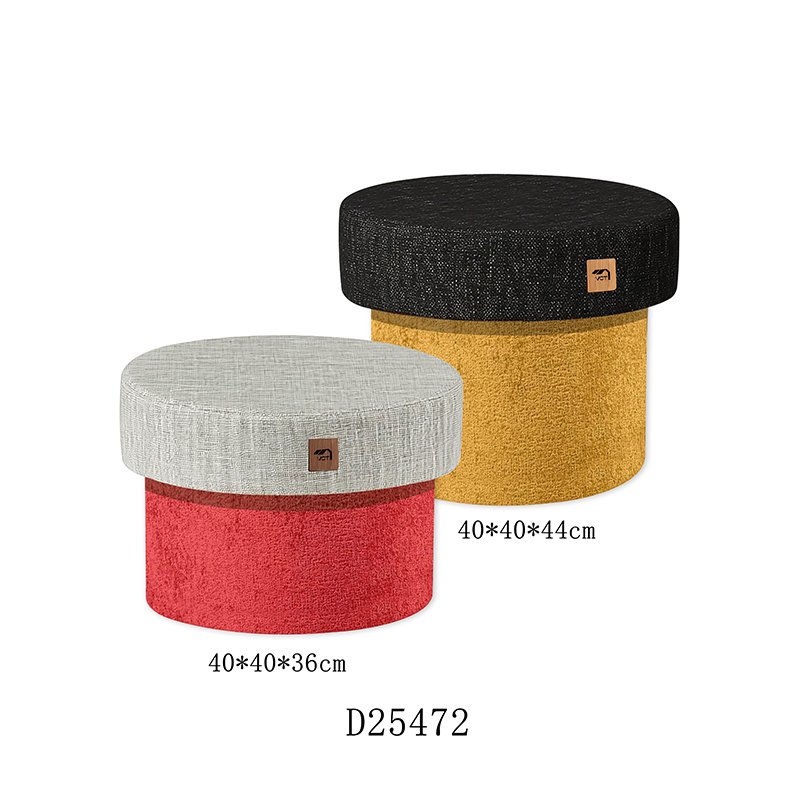
- Round ottomans: Soften angular rooms and work well under a low‑profile sofa.
- Square or rectangular: Provide a stable surface for trays, laptops, or decorative bowls.
- Tufted or nail‑head trims: Add a touch of classic elegance.
Color coordination
To keep the look cohesive, echo a hue from your existing décor—perhaps a muted navy that matches a rug or a pop of mustard that mirrors throw pillows. If you’re feeling adventurous, contrast with complementary shades for a curated, layered effect.
3. Buy Smart: Budget, Quality, and Maintenance
Set a realistic budget
Quality ottomans range from $150 to $800 per piece. Investing a bit more in robust frames—preferably hardwood or steel—ensures longevity and reduces the risk of sagging.
Inspect construction details
- Frame: Kiln‑dried hardwood or reinforced metal offers sturdiness.
- Suspension: Eight‑way hand‑tied springs provide even weight distribution.
- Padding: High‑density foam topped with a softer feather or polyester blend balances comfort and support.
Plan for care
Read the manufacturer’s cleaning instructions. Most fabric covers are removable and machine‑washable; leather can be wiped with a damp cloth and conditioned quarterly. Buying a protective spray for upholstery adds an extra layer of resistance against stains.
Conclusion
A well‑chosen pair of ottomans does more than fill empty floor space; it enhances comfort, expands storage, and elevates the overall aesthetic of any room. By measuring your area, defining the intended function, selecting the right material, and prioritizing build quality, you’ll invest in pieces that remain stylish and functional for years to come. Ready to transform your living room? Explore our curated collection at fzvictor.com and find the perfect pair that speaks to your taste and lifestyle.