

Mastering Small Spaces: Why a Narrow Entryway Bench with Storage is a 2026 Essential
Data-driven insights into maximizing compact foyers without sacrificing style or utility.
2026 Market Outlook: Small-Space Furniture is Booming
According to global home furnishing trend reports, over 68% of urban households live in spaces under 1,500 sq.ft.
In the U.S. market alone, entryway and mudroom furniture sales are projected to grow by
11.4% CAGR between 2024–2028.
- 📊 72% of apartment buyers prioritize hidden storage
- 📦 Multifunctional benches increase retail sell-through by 18%
- 🏠 Slim-profile furniture under 15” depth sees highest conversion rates online
1. The Rise of Slim Entryway Solutions
In 2026, retailers are prioritizing “slim-profile” furniture designs.
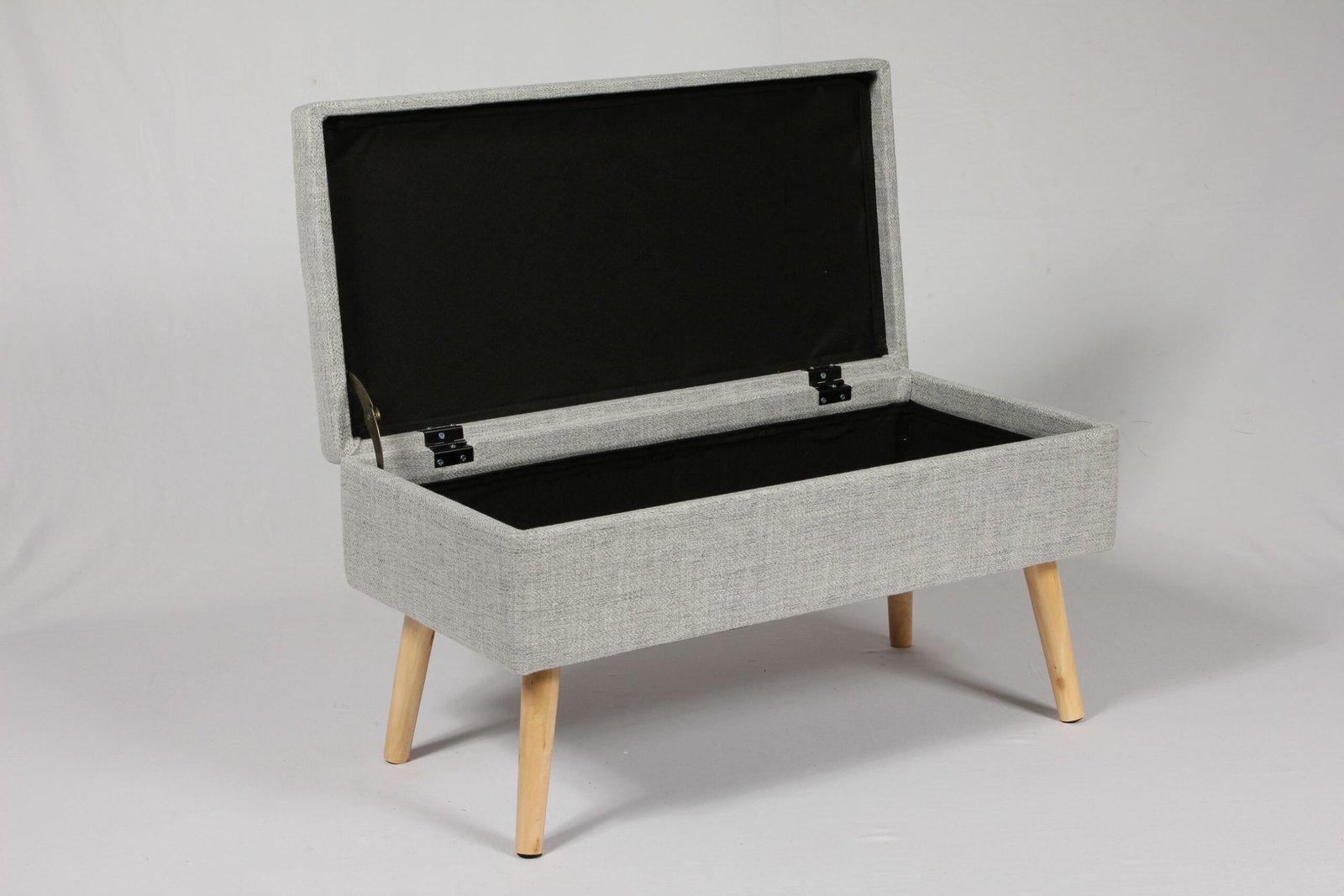
A narrow entryway bench with storage (depth under 15 inches) helps transform compact foyers
into organized functional zones. For designers focusing on even tighter footprints, our
sculptural geometric accent stools
provide high-impact seating without the bulk.
2. Material Matters: Boucle, Performance Fabric & Solid Wood
Texture drives perceived luxury. Boucle remains a top-performing fabric,
but contract-grade linen blends and performance velvet are rapidly gaining share. For those seeking a classic look, the
industrial linen entryway bench
remains a B2B favorite due to its durability.
| Material | Durability Rating | Wholesale Cost Level | Retail Markup Potential |
|---|---|---|---|
| Boucle | ★★★★☆ | Medium | High (2.8x avg) |
| Performance Velvet | ★★★★★ | Medium-High | Very High (3.1x avg) |
| Linen Blend | ★★★☆☆ | Low | Moderate (2.4x avg) |
3. Storage Capacity vs. Footprint Optimization
The engineering challenge lies in balancing storage volume while keeping a
slim silhouette. Bench depth under 15 inches increases compatibility
with hallway widths under 40 inches. Our latest
storage pouf and footstool series
perfectly illustrates how hidden compartments can maximize ROI for small-space retailers.
4. Why Strategic Sourcing Matters in 2026
Factory-direct sourcing from Vietnam reduces landed cost by 8–15% compared
to China-only sourcing strategies. For U.S. importers, understanding the
manufacturing plant cost structure
is now a significant competitive advantage.