
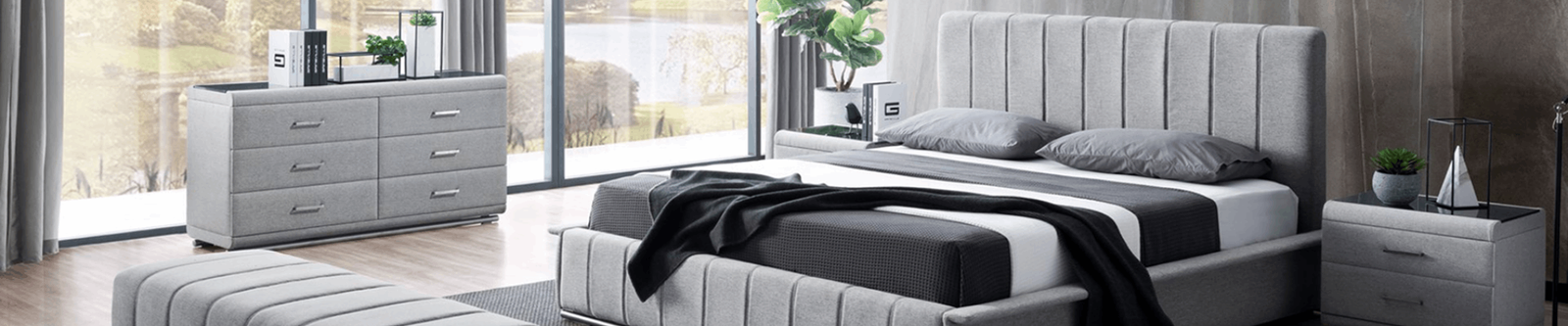

As the global furniture market continues to evolve, 2026 brings new opportunities and challenges for importers seeking reliable, cost‑effective, and design‑forward solutions. For B2B buyers, staying ahead of industry trends is essential to maintaining competitive margins and satisfying end‑consumer demand. This article explores the most impactful wholesale furniture export trends for 2026 and demonstrates how partnering with a reputable furniture manufacturer in China can give your business a decisive edge.
1. Sustainable Materials Are No Longer Optional
Eco‑conscious purchasing has moved from niche to mainstream. Importers now receive direct inquiries from retailers and e‑commerce platforms that require certifications such as FSC, GREENGUARD, and ISO 14001. In 2026, sustainability will be evaluated on three fronts:
- Raw material sourcing: Recycled hardwood, reclaimed bamboo, and low‑VOC finishes are top of the buyer’s checklist.
- Production processes: Water‑based adhesives, energy‑efficient machinery, and waste‑reduction programs drive cost savings and brand credibility.
- End‑of‑life strategy: Furniture that can be disassembled for recycling or up‑cycling meets circular‑economy expectations.
Chinese manufacturers have invested heavily in green technologies. Victor Furniture, for example, operates a state‑of‑the‑art recycling line that converts wood off‑cuts into particle board, reducing landfill waste by 40%.
2. Modular & Multi‑Functional Designs Dominate the Market
Urban living spaces are shrinking, and consumers are prioritising flexibility. Modular sofas, stackable tables, and convertible storage solutions are seeing record‑high demand. Wholesale buyers should consider the following design considerations:
2.1. Easy Assembly and Disassembly
Flat‑pack designs that require minimal tools speed up logistics and reduce shipping volume. Importers can offer faster delivery windows, a critical factor in today’s rapid‑fulfilment environment.
2.2. Integrated Storage Solutions
Pieces that double as storage—such as ottomans or benches—provide added value. A popular SKU for many of our partners is the storage ottoman wholesale offering 30 L of concealed space while maintaining sleek aesthetics.
2.3. Customization Options
From fabric swaps to leg finishes, modularity paired with customization allows importers to cater to diverse market segments without holding excessive inventory.
3. Digital Supply Chains & Data‑Driven Sourcing
Technology is reshaping how furniture is sourced, produced, and delivered. In 2026, successful importers leverage digital tools to gain transparency, reduce lead times, and optimize inventory.
3.1. Real‑Time Production Tracking
Enterprise Resource Planning (ERP) systems integrated with factory floor IoT sensors provide live updates on order status, helping importers plan shipments more accurately.
3.2. AI‑Powered Forecasting
Machine‑learning algorithms analyse historical sales data, seasonality, and macro‑economic indicators to predict demand spikes, enabling smarter purchase orders.
3.3. Seamless B2B E‑Commerce Platforms
Partners can now place orders through dedicated portals that showcase 3D product visualisations, downloadable technical drawings, and instant quotation tools. Victor Furniture’s B2B portal also offers a custom entryway bench configurator, letting buyers select dimensions, materials, and hardware in real time.
4. Strategic Benefits of Working with a Proven Furniture Manufacturer in China
Choosing the right manufacturing partner is the linchpin of a successful wholesale strategy. Below are key advantages of aligning with Victor Furniture, a leading furniture manufacturer in China:
- Scalable Production: Facilities capable of handling orders ranging from 500 to 100,000 units without compromising quality.
- Quality Assurance: ISO 9001‑certified QA teams perform 100 % in‑line inspections and third‑party lab testing for durability and fire safety.
- Design Collaboration: In‑house design studios work with importers to develop exclusive collections that meet regional trends.
- Logistics Expertise: Dedicated freight forwarding partners streamline ocean, rail, and air shipments, providing door‑to‑door service.
- Competitive Pricing: Economies of scale combined with lean manufacturing keep unit costs low, allowing importers to achieve healthy margins.
5. Emerging Market Opportunities
While North America and Western Europe remain core markets, several regions are accelerating their furniture imports:
- South‑East Asia: Rising middle‑class income fuels demand for stylish, affordable furniture.
- Middle East: Luxury hospitality projects seek high‑end, custom‑crafted pieces with a focus on durability.
- Latin America: Urbanisation drives a need for space‑saving, modular solutions.
Exporters who tailor product assortments to these market nuances will capture early‑stage growth and establish long‑term partnerships.
Conclusion
2026 presents a dynamic landscape for wholesale furniture export. Sustainability, modular design, and digital supply‑chain integration are no longer optional—they are the baseline expectations of global importers. By collaborating with a seasoned furniture manufacturer in China like Victor Furniture, you gain access to eco‑friendly production, rapid prototyping, and a robust B2B e‑commerce ecosystem. Whether you are sourcing storage ottoman wholesale or a custom entryway bench, our expertise ensures you stay ahead of market trends, reduce lead times, and maximise profit margins.
Ready to elevate your product portfolio for 2026 and beyond? Contact Victor Furniture today to discuss tailored solutions that meet your exact specifications.