
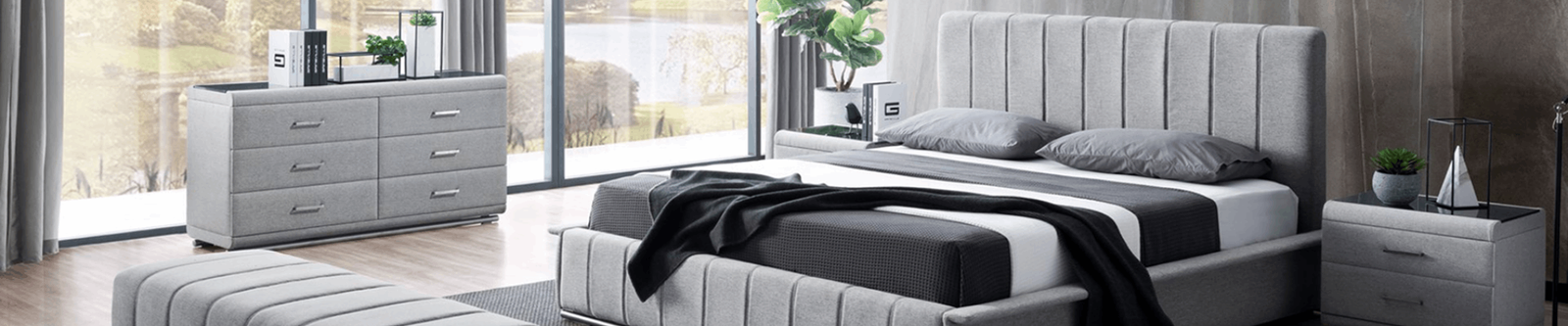

2026 Wholesale Furniture Export Trends: A Strategic Guide for Global Importers
As the world shifts toward sustainability, digitalization, and experiential living, the furniture export industry is entering a pivotal year. For importers who source from Asia, especially China, understanding the 2026 landscape is essential to stay ahead of pricing pressure, regulatory changes, and evolving consumer tastes. This guide outlines the three most influential trends shaping wholesale furniture shipments this year and offers actionable recommendations for partnering with a reliable furniture manufacturer in China.
1. Sustainable Materials and Circular Design Are No Longer Niche
Environmental stewardship has moved from marketing jargon to procurement policy. Buyers in Europe, North America, and Australasia now require documented proof of low‑carbon footprints, recycled content, and end‑of‑life recyclability. The implications for wholesale sourcing are threefold:
- Material Transparency: Factories must provide third‑party certifications (e.g., FSC, PEFC, GREENGUARD). Importers should request material passports alongside commercial invoices.
- Design for Disassembly: Modular frames and replaceable hardware extend product lifespans. This reduces waste and meets the circular‑economy criteria demanded by many retailers.
- Carbon‑Neutral Logistics: Shipping lines now offer carbon‑offset programs. Selecting partners that can embed these services into the freight forwarder contract can improve ESG scores.
Chinese manufacturers have responded with a surge in responsibly sourced hardwood, bamboo composites, and bio‑based finishes. When evaluating suppliers, ask for life‑cycle assessments (LCAs) and sample testing to verify claims.
2. Digital Integration From Design to Delivery
In 2026, the traditional “catalog‑order‑ship” model is being replaced by end‑to‑end digital ecosystems. The following technologies are reshaping wholesale transactions:
2.1 3D Product Configurators
Buyers can now customize dimensions, fabrics, and hardware in real time, reducing the need for multiple physical samples. A well‑implemented configurator also feeds exact BOM (Bill of Materials) data directly to the factory floor, cutting lead times by up to 30%.
2.2 AI‑Driven Demand Forecasting
Importers that integrate AI tools with supplier ERP systems gain visibility into production capacity, raw‑material constraints, and upcoming seasonal peaks. This predictive capability helps negotiate better payment terms and buffer inventory against supply shocks.
2.3 Blockchain for Traceability
Secure, immutable ledgers record each handoff—from raw material extraction to final delivery. When a retailer requests proof of origin for a storage ottoman wholesale order, the blockchain can instantly deliver certified documents, eliminating lengthy audits.
To harness these benefits, choose a manufacturing partner that already supports API integration and has a proven track record with digital platforms. Many Chinese factories now operate dedicated B2B portals that sync with buyer procurement systems.
3. Customization at Scale: The Rise of the Entryway Bench
One of the most illustrative examples of 2026’s customization trend is the custom entryway bench. This piece combines functional storage, seating, and aesthetic flexibility, making it a staple in both residential and hospitality projects.
- Modular Components: Legs, cushions, and storage boxes can be swapped without tools, allowing hotels to re‑brand rooms in weeks rather than months.
- Material Mix‑Match: Pair reclaimed pine with powder‑coated steel, or integrate woven rattan inserts for a biophilic touch.
- Size Variability: From compact 48‑inch units for urban apartments to expansive 96‑inch benches for boutique hotels, manufacturers can adjust dimensions on the fly using CNC programming.
Wholesale importers who can offer these bespoke options differentiate themselves in competitive markets. The key is to partner with a supplier that has flexible tooling and a robust QA process to ensure each custom batch meets consistent quality standards.
Practical Checklist for Importers Working with a Chinese Furniture Manufacturer
- Verify Certifications: Request FSC, ISO 14001, and any regional eco‑labels.
- Test Digital Connectivity: Ensure the factory’s B2B portal can exchange order files (XML/JSON) with your procurement software.
- Audit Production Capacity: Use AI‑driven demand forecasts to confirm the supplier can meet peak volumes without sacrificing lead time.
- Sample Customization: Order a pilot batch of a custom entryway bench to evaluate finish consistency and modular fit.
- Establish Traceability: Implement blockchain or a simple QR‑code system to track each SKU from raw material to dock.
- Negotiate Sustainable Logistics: Include carbon‑offset clauses and explore sea‑freight consolidation options.
Conclusion: Positioning Your Business for Success in 2026
The wholesale furniture market is evolving rapidly, but the fundamentals remain: quality, reliability, and responsiveness to buyer preferences. By aligning with a forward‑thinking furniture manufacturer in China that embraces sustainable materials, digital integration, and scalable customization, importers can secure a competitive edge.
Take the first step today: explore our catalog, request a digital sample, and start a conversation about how our production capabilities can meet your 2026 sourcing strategy.