Crafted with devotion,
built to be the soul of every room.
As a premier storage ottoman wholesale and ottoman bench wholesale, Fuzhou Victor Furniture Co., Ltd. has specialized in storage ottomans, upholstered benches and entryway seating since 2016. Guided by our culture of Creator · Altruist · Champion, we turn careful craftsmanship into furniture that earns its place in a home for years to come. Creator · Altruist · Champion, we turn careful craftsmanship into furniture that earns its place in a home for years to come.
Three words that shape the way Victor people work
Not slogans on a wall — questions we ask of every order and every stitch: are we creating, are we thinking of the other side first, and are we standing behind our promise.
Good products are designed, not copied. We refresh our collections every season, translating trend research into manufacturable, scalable craft.
We treat every piece with parental devotion — from material sourcing to packaging — so our partners worry less and sell with confidence.
BSCI and FSC certification isn't a certificate on the wall — it's a long-term commitment we honor with every overseas partner.
"We treat each creation with parental devotion. At Victor, we don't just manufacture furniture — we engineer heirloom-grade enhancers of human habitats through iterative refinement."
Four core lines, engineered for global wholesale
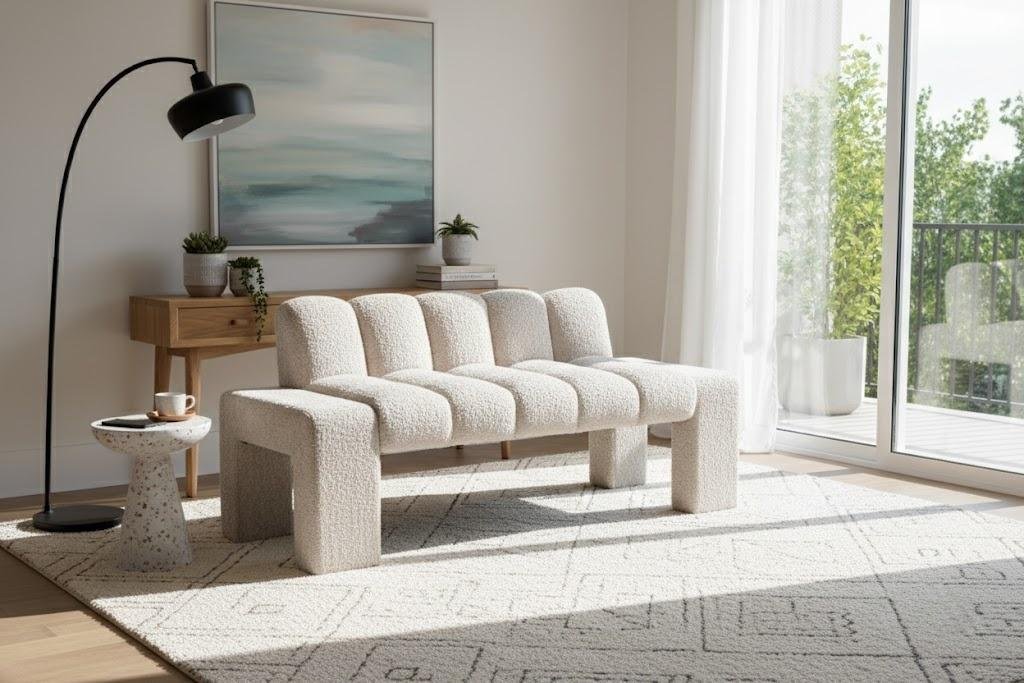
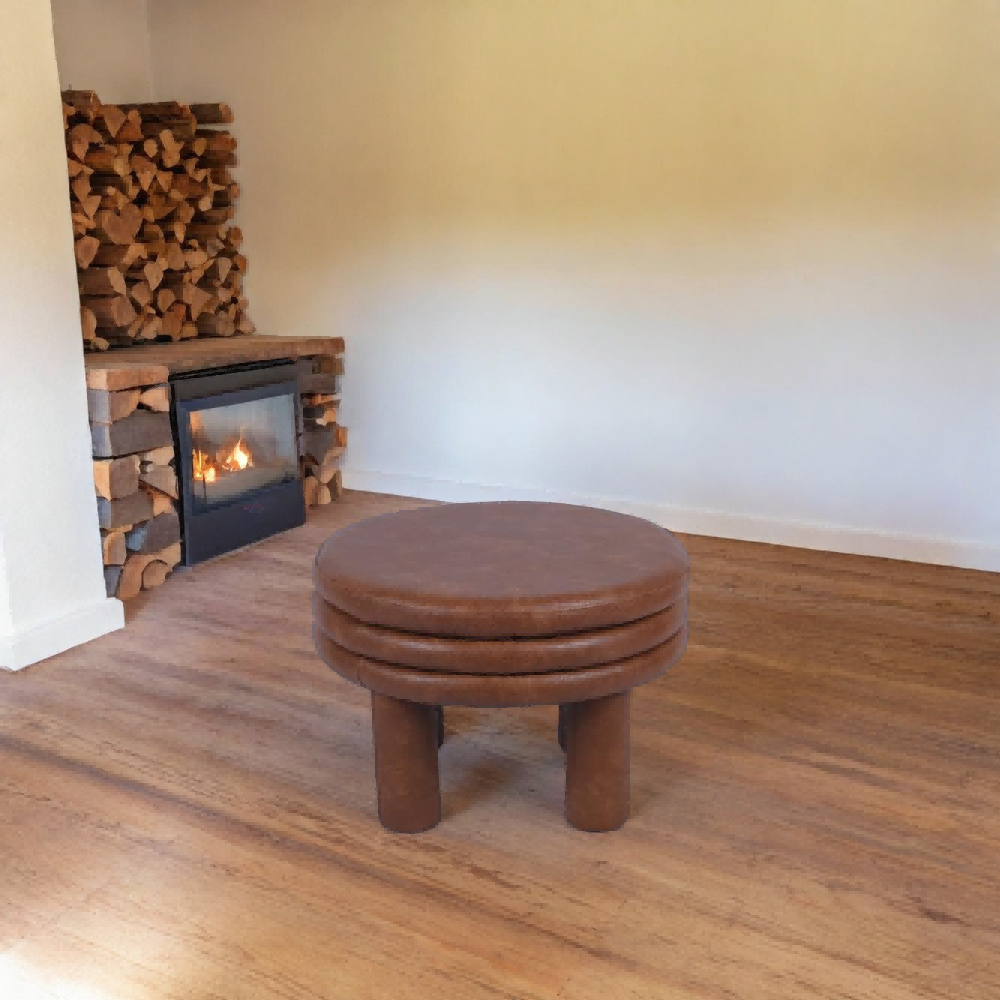
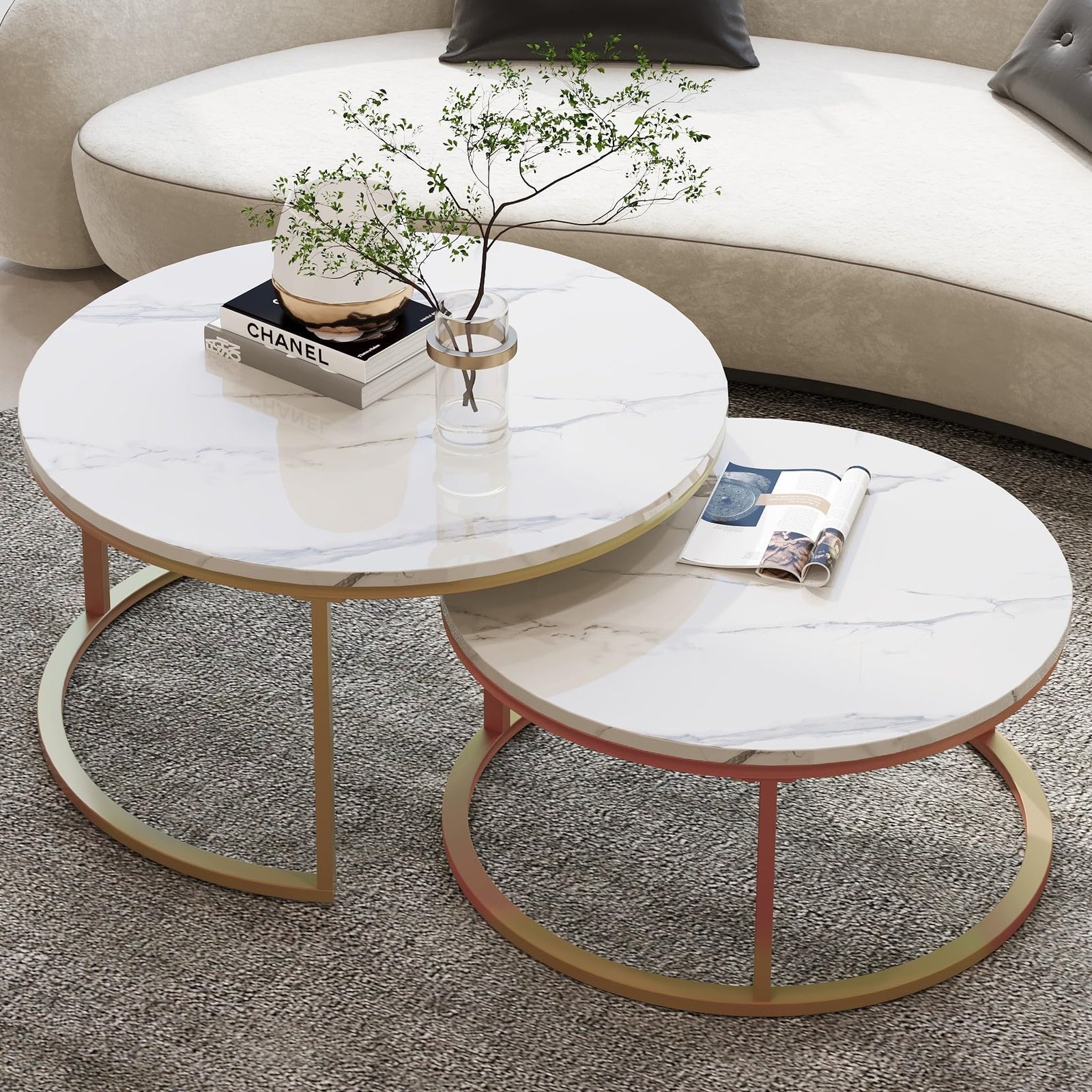
From flat-pack KD designs that cut freight costs, to fully upholstered benches for boutique retail — explore the categories our partners order most.
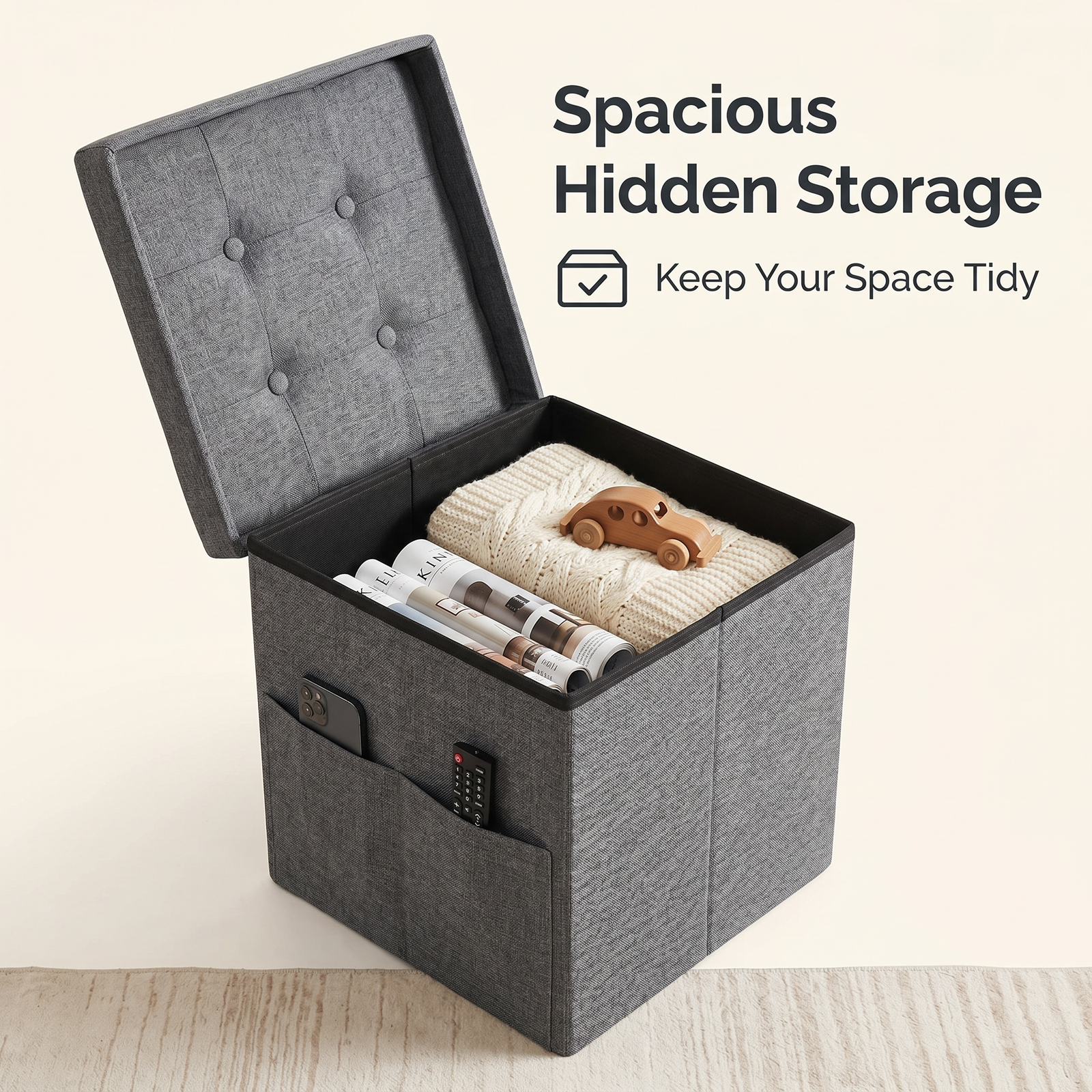
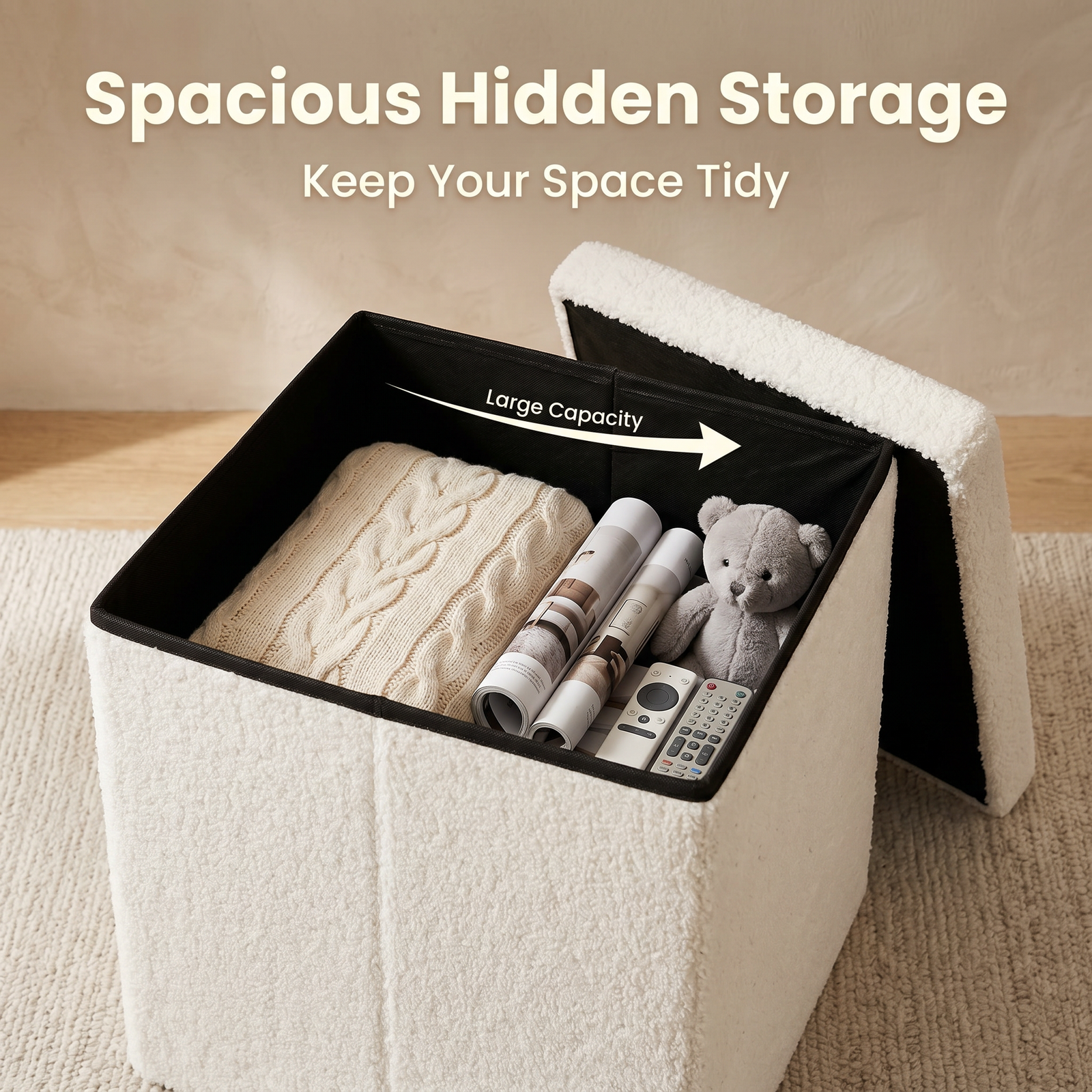
Ottoman Storage & Accent Stools
View all Ottomans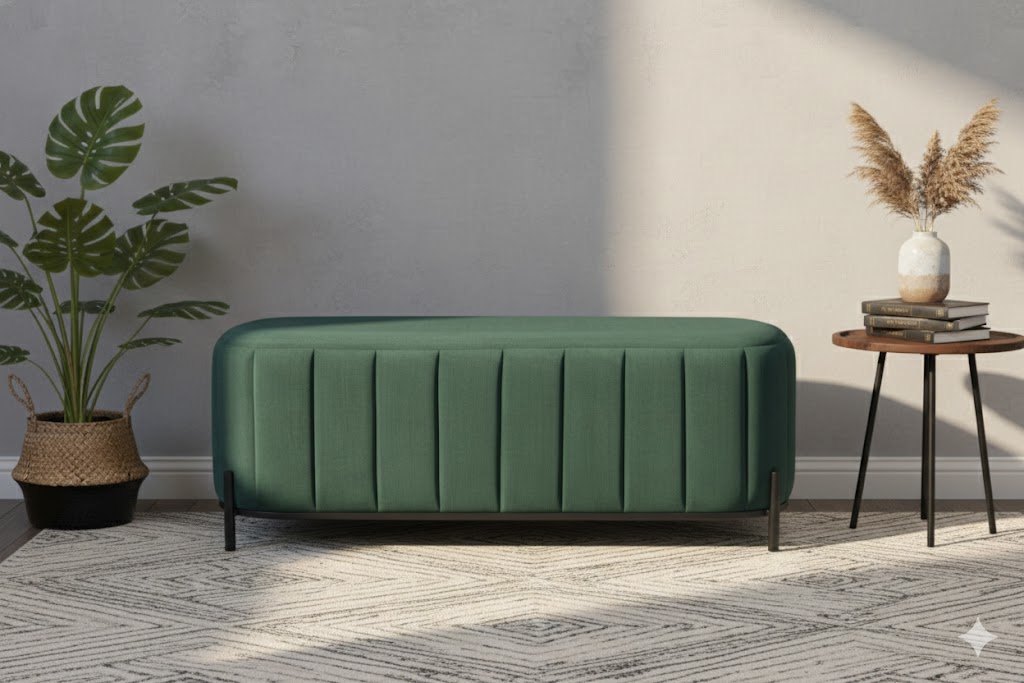
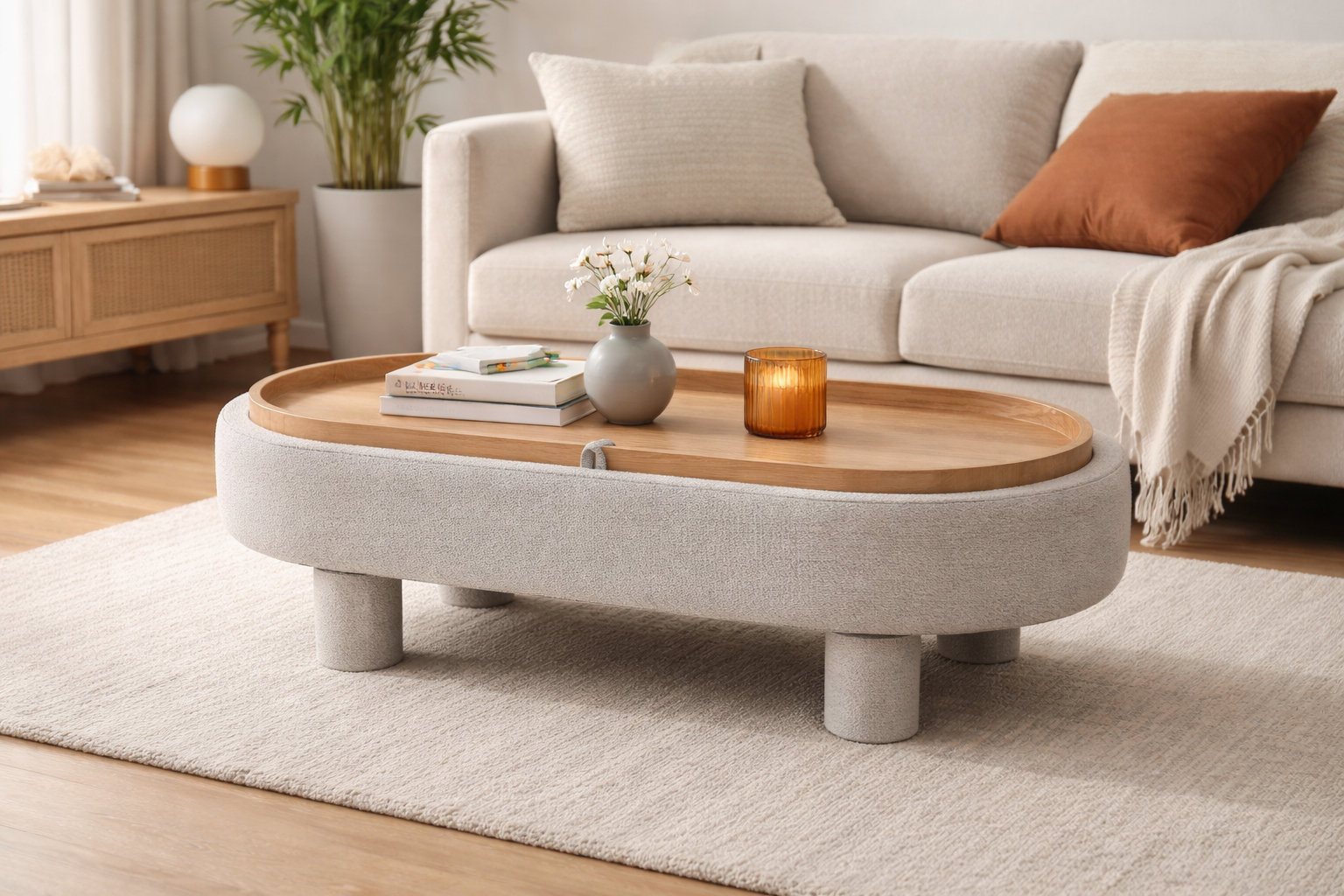
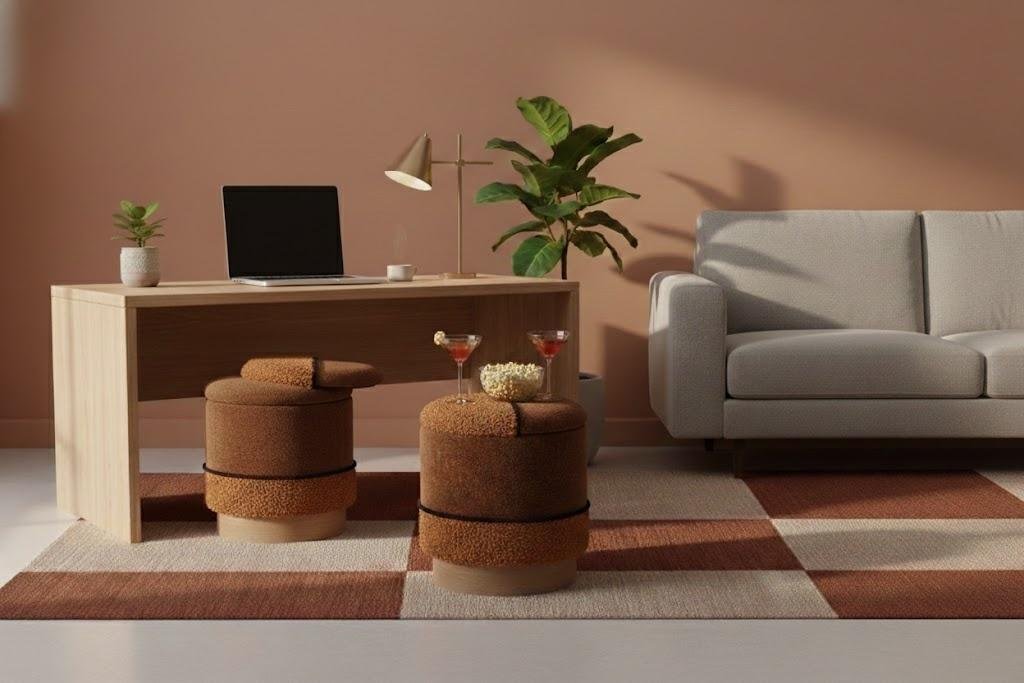

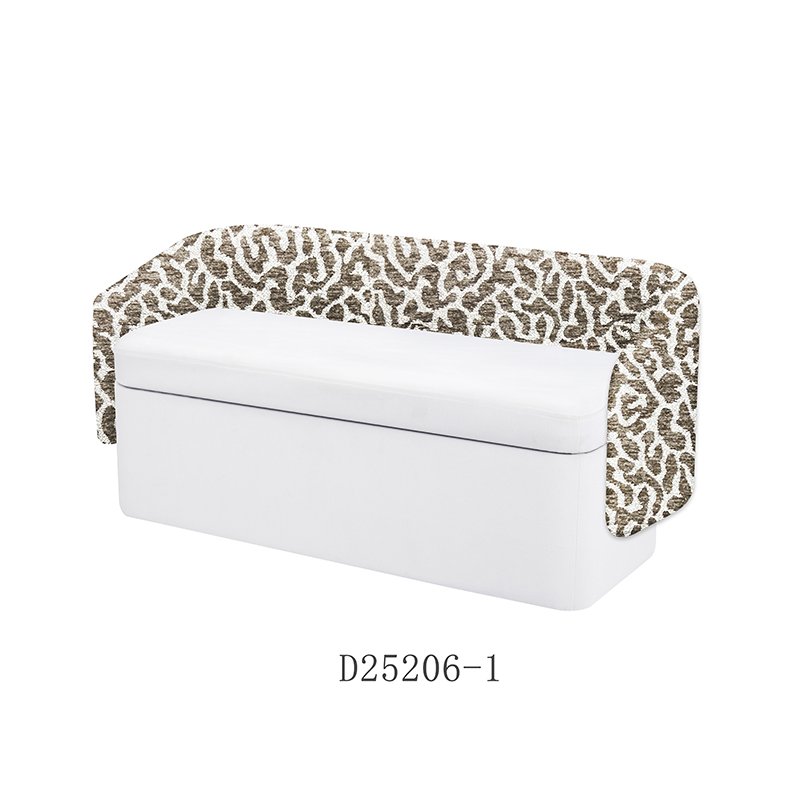
Bench Upholstered & Entryway Seating
View all Benches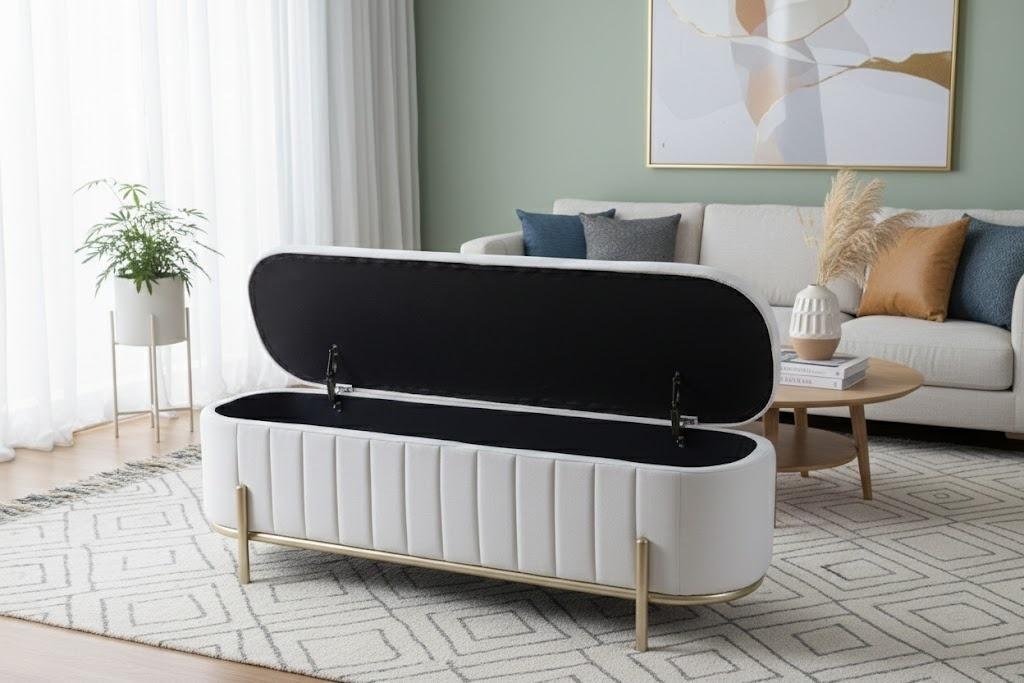
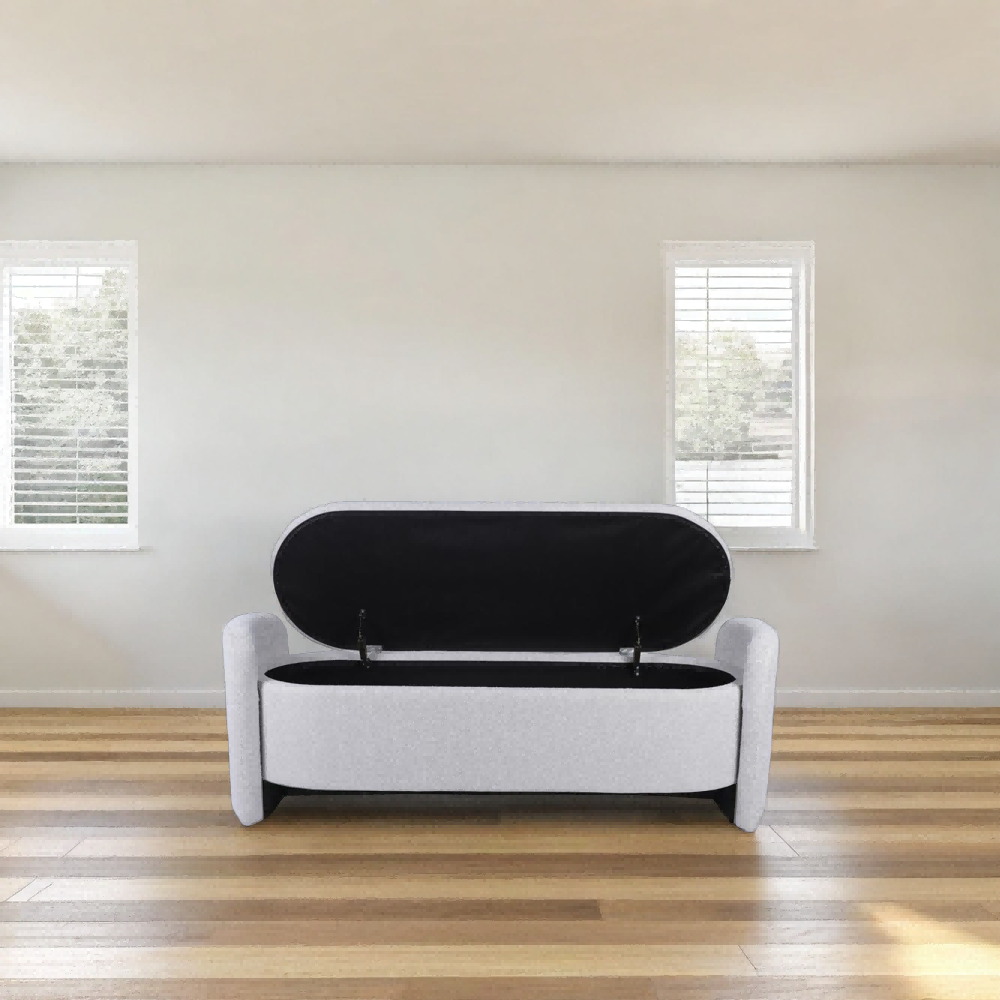
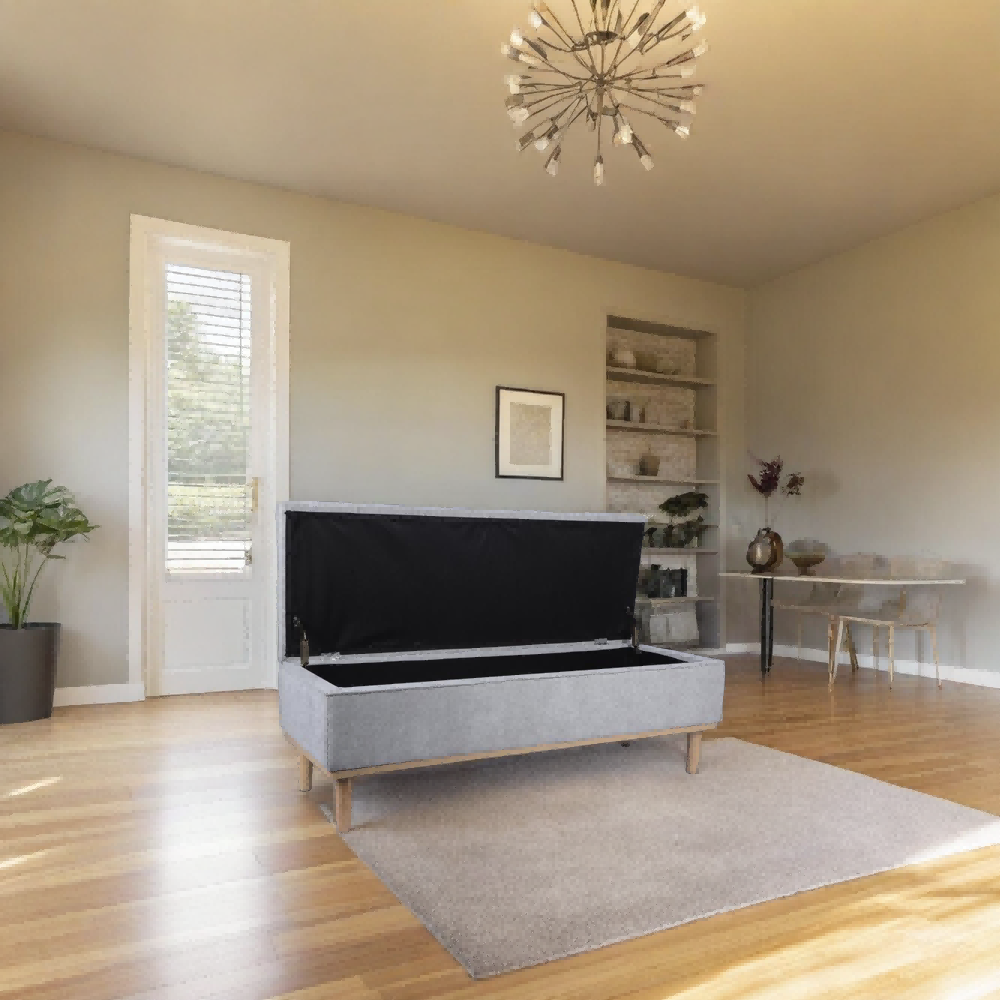
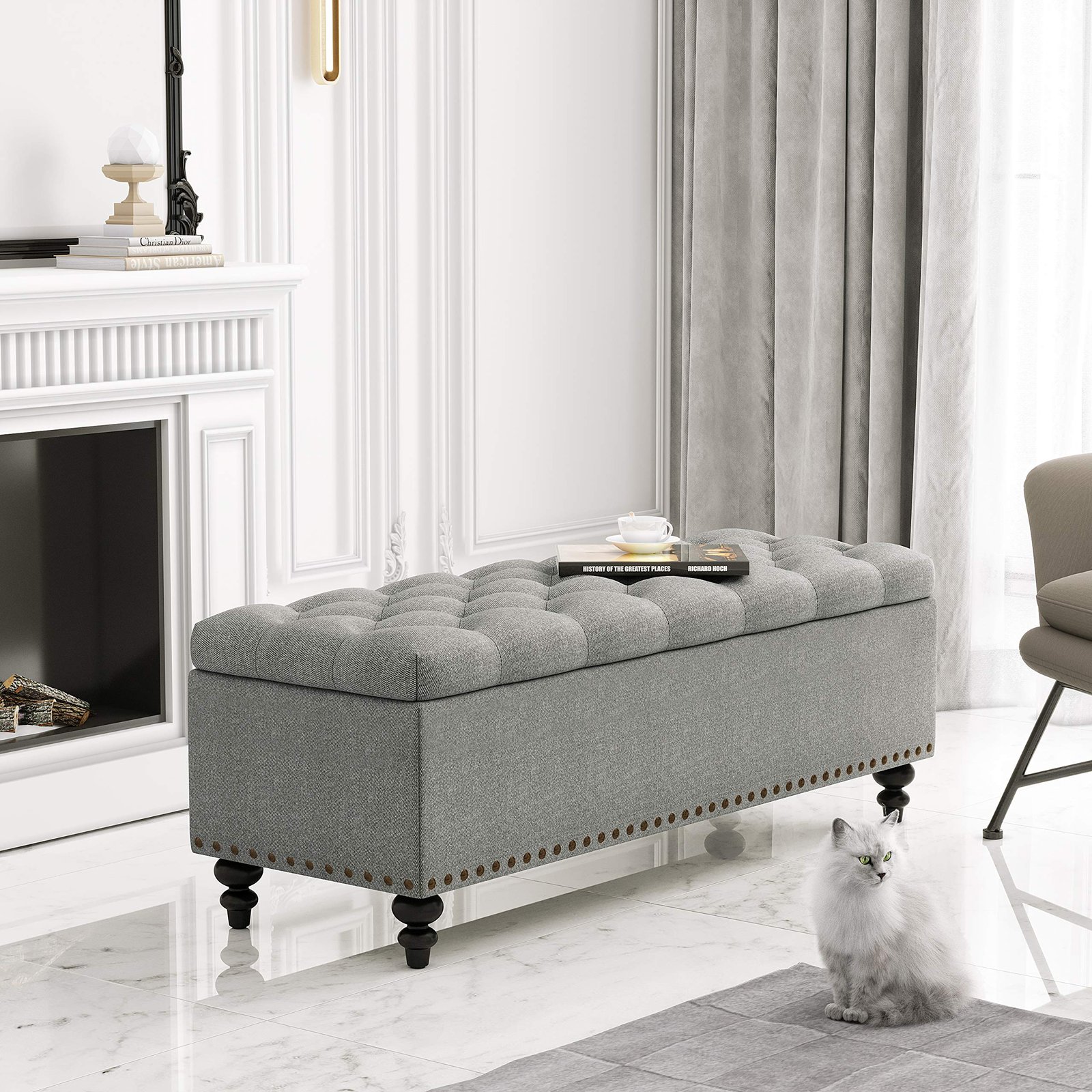
KD Ottoman Flat-Pack, Freight-Efficient
View all KD Ottomans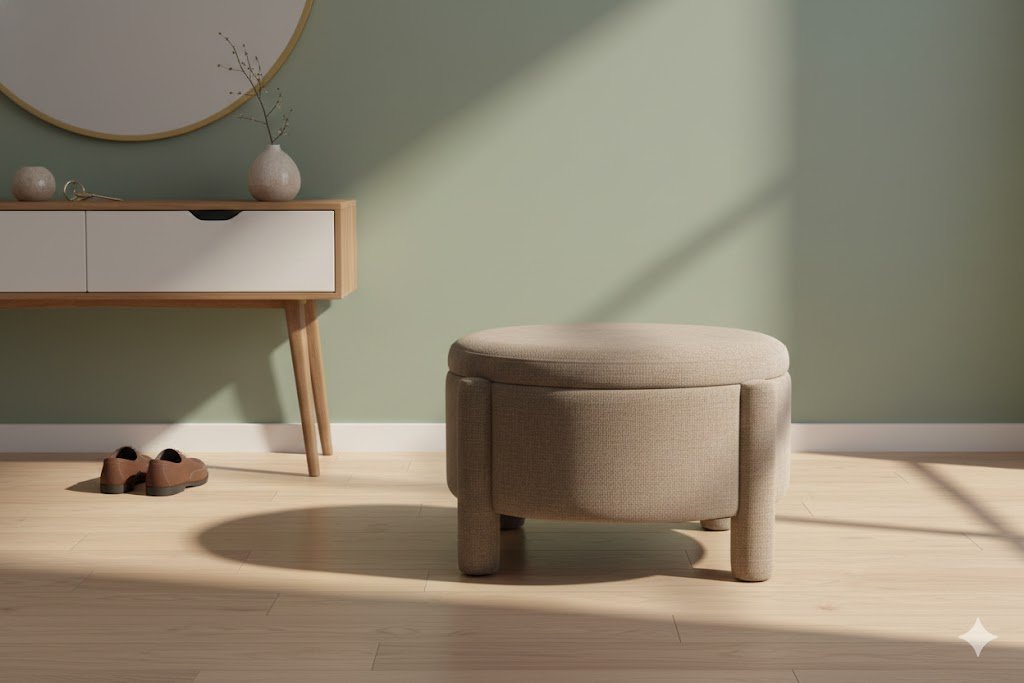
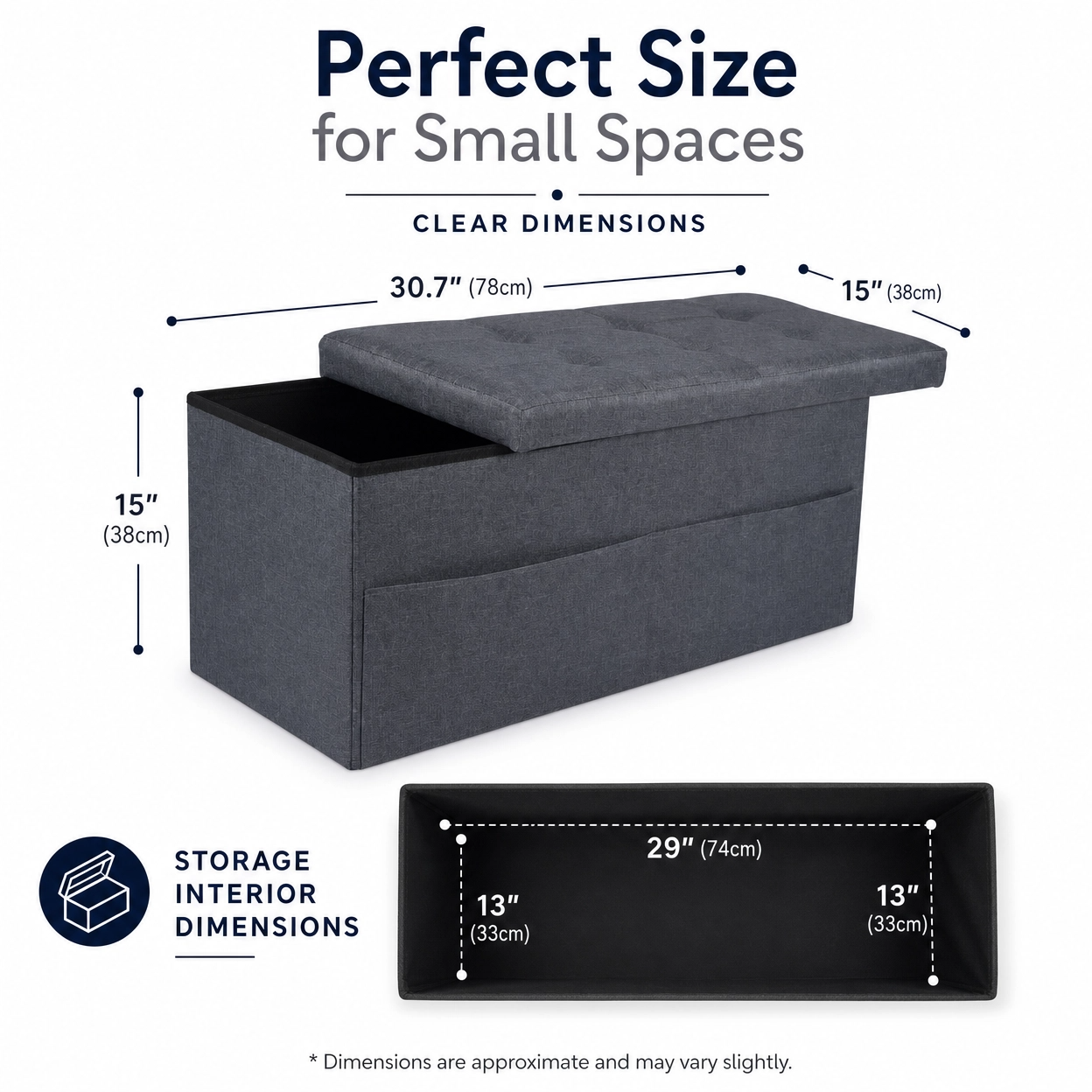
Folding Ottoman Compact & E-commerce Ready
View all Folding Ottomans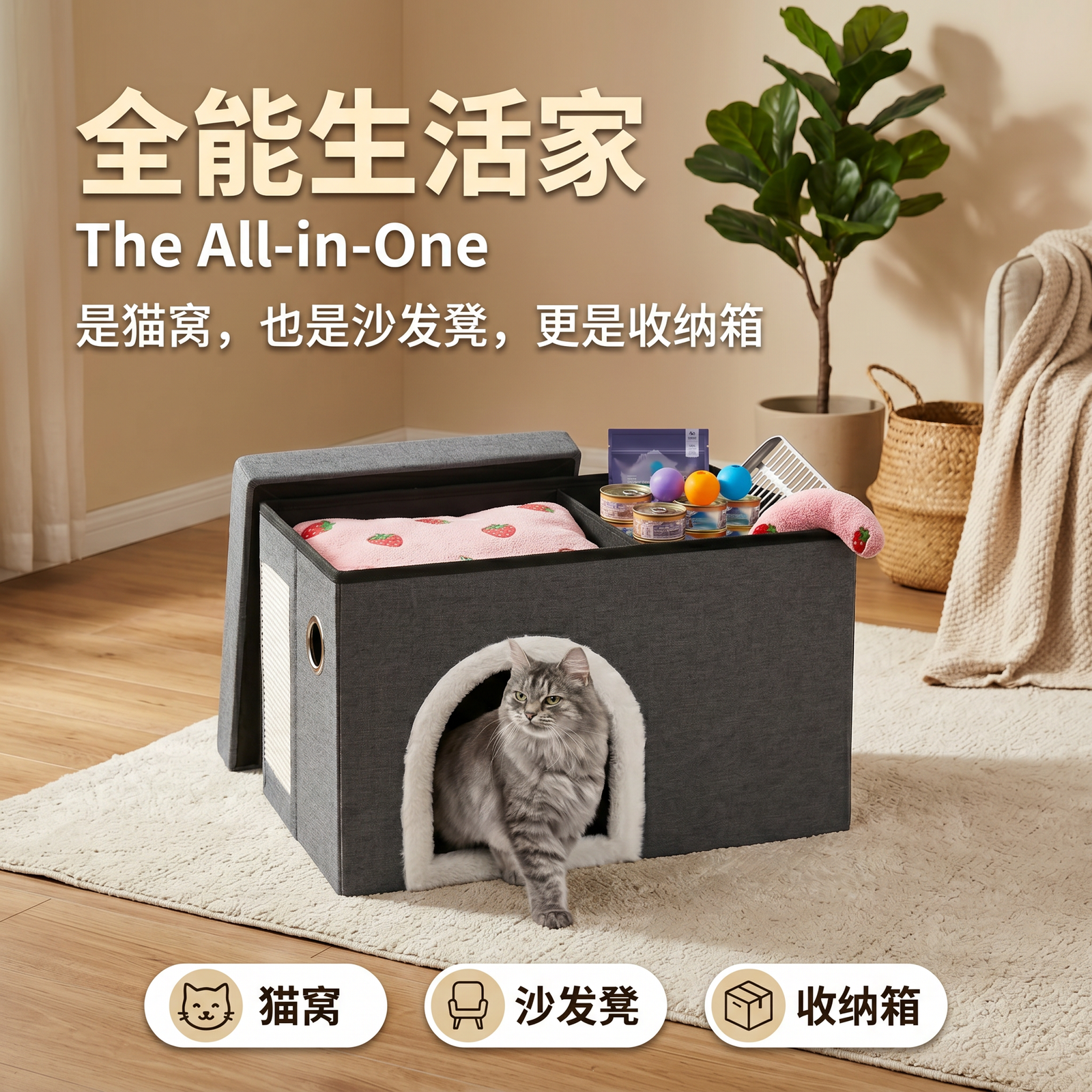
New Arrivals & Bestsellers, 2026 Collection
A quality philosophy that starts with a single stitch
Material Traceability
Every batch of frames and fabrics — linen, velvet, PU, chenille — is documented from source, so quality is built in from the very first material.
QA 2.0 System
From frame assembly to foam filling to the final stitch, multi-stage checkpoints catch issues long before they reach a container.
Flexible OEM/ODM
Custom metal finishes, colorways, and structures help every brand tell its own product story — bring your sketches, we handle the rest.
Transparent Logistics
Regular container loading reports and production updates mean partners on the other side of the world can watch every order take shape.
Every stitch answers to a promise.
Rooted in Fuzhou, shipping to homes worldwide
Our factory is based in Minhou County, Fuzhou City, Fujian Province, with a strategic production base in Vietnam — helping us navigate tariff shifts, optimize international logistics, and deliver stable, cost-effective supply to furniture brands, e-commerce sellers, and retail channels worldwide.
For ten years, Victor has stayed deliberately focused on one category — storage ottomans and upholstered benches — going deep rather than wide.
Sourcing guides & design trends from our team

Brands and retailers we've shipped to worldwide
From boutique furniture brands to large e-commerce sellers — our BSCI & FSC certified production lines support partners across North America, Europe, and beyond.
Partner with a factory that treats furniture as craft
Whether you're a brand, wholesaler, or retail channel — request our latest catalog, container loading reports, and factory certifications.
What is a Storage Ottoman?
A storage ottoman is a highly functional, multi-purpose furniture piece that seamlessly combines comfortable upholstered seating with a hidden internal compartment. It serves as an elegant footstool, an extra seat, or a coffee table while keeping living spaces organized by neatly stowing away blankets, pillows, or toys.
As a premier manufacturer in China, FZ Victor provides premium B2B custom solutions. Explore our trending collections or contact us directly to scale your inventory: